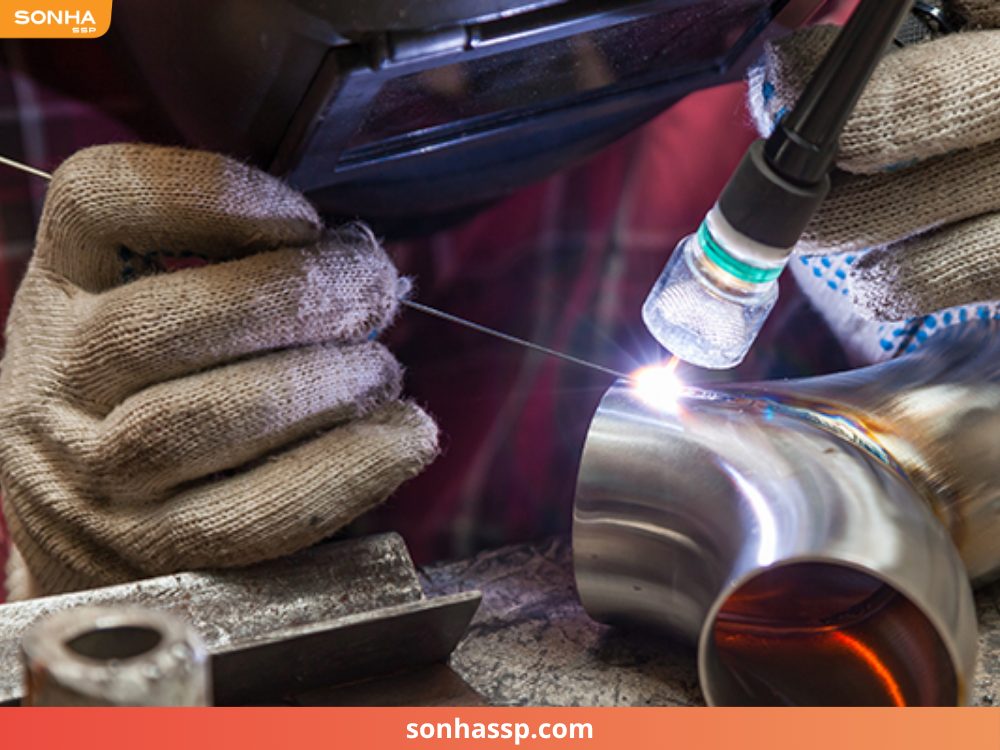


Explaining the causes of rust on 304 stainless steel pipes and effective solutions
In reality, many people are often surprised to see 304 stainless steel pipes develop rust. This is because the product is widely known as a “stainless” steel pipe. So, what are the causes of rust on 304 stainless steel pipes, and how can this problem be fixed? Let’s explore the answers with Son Ha SSP in the article below!
1. Understanding the causes of rust on 304 stainless steel pipes
304 stainless steel pipes are widely used materials in industrial, construction, and architectural applications. Rusting on these products typically stems from several causes, such as: using low-quality 304 stainless steel pipes, installing them in highly acidic environments, or improper cleaning and maintenance.
1.1 Using low-quality 304 stainless steel pipes
One of the leading causes of rust on 304 stainless steel pipes is the use of low-quality materials. Many manufacturers disregard their reputation and chase profits by producing stainless steel pipes with lower Chromium or Nickel content than the standard requirements.
Moreover, it is very difficult for consumers to distinguish whether a product is genuinely high-quality 304 stainless steel just by looking at it with the naked eye. Over time, the material will gradually degrade and start to rust, which is when users are completely shocked to realize the poor quality of the product they are using.
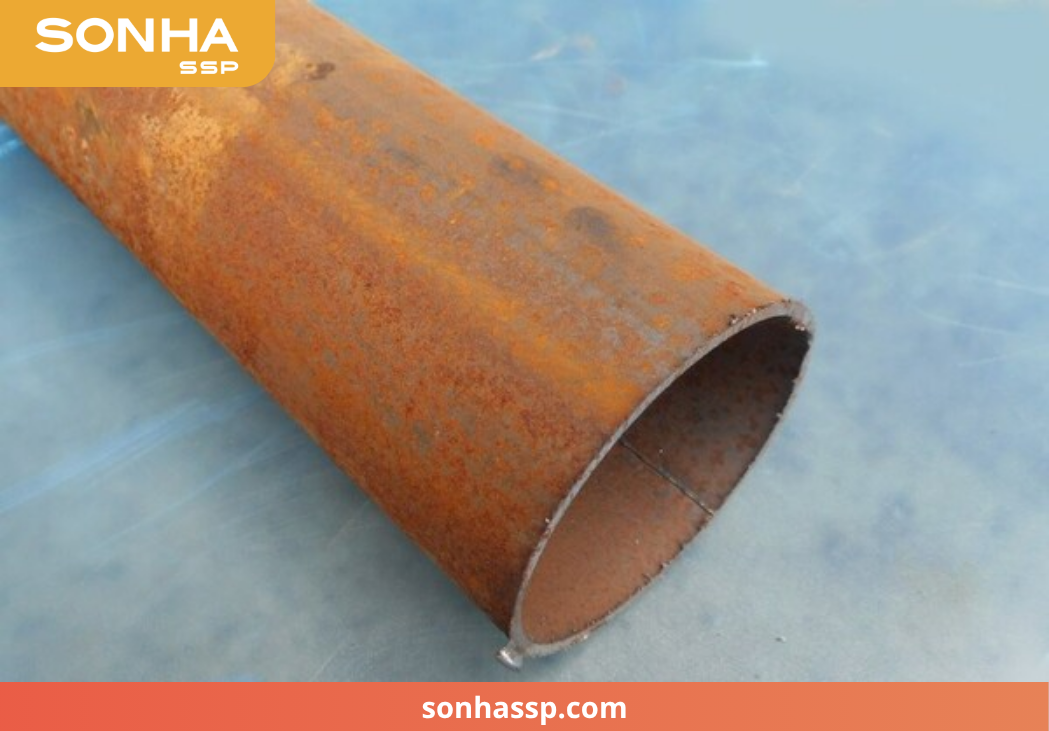
Low-quality 304 stainless steel pipes will rust quickly over time.
1.2 304 stainless steel pipes installed in highly corrosive chemical environments Under normal conditions, 304 stainless steel pipes offer effective rust resistance. However, when exposed to high-humidity environments or strong acidic solutions such as hydrochloric acid, chloride-containing chemicals, or seawater, the protective oxide layer of the 304 stainless steel pipe will break down. This triggers the corrosion process, leading to the appearance of rust spots on the pipe.
1.3 Improper cleaning of 304 stainless steel pipes When using 304 stainless steel pipes, many users are often careless during the cleaning process, using sharp or abrasive tools like stiff-bristled brushes or steel wool to scrub hard in order to clean the surface. However, this inadvertently causes the product to be easily scratched, losing its original shine and making it more susceptible to rust.
2. Effective methods to fix rusted 304 stainless steel pipes
Regarding the causes of rust on 304 stainless steel pipes and how to fix them, Son Ha SSP will guide you through various solutions depending on whether the product has light or severe rust.
2.1 How to fix lightly rusted 304 stainless steel pipes
2.1.1 Treating rust on 304 stainless steel pipes with alum Alum is an easy-to-find ingredient that is quite effective at cleaning rust spots. To treat light rust, you need to dissolve 100 grams of alum in 2 liters of water. Next, pour this solution onto a soft cloth, place it over the rusted area, and wait for about 5–10 minutes. Finally, gently scrub the surface of the stainless steel pipe to wipe the rust away.
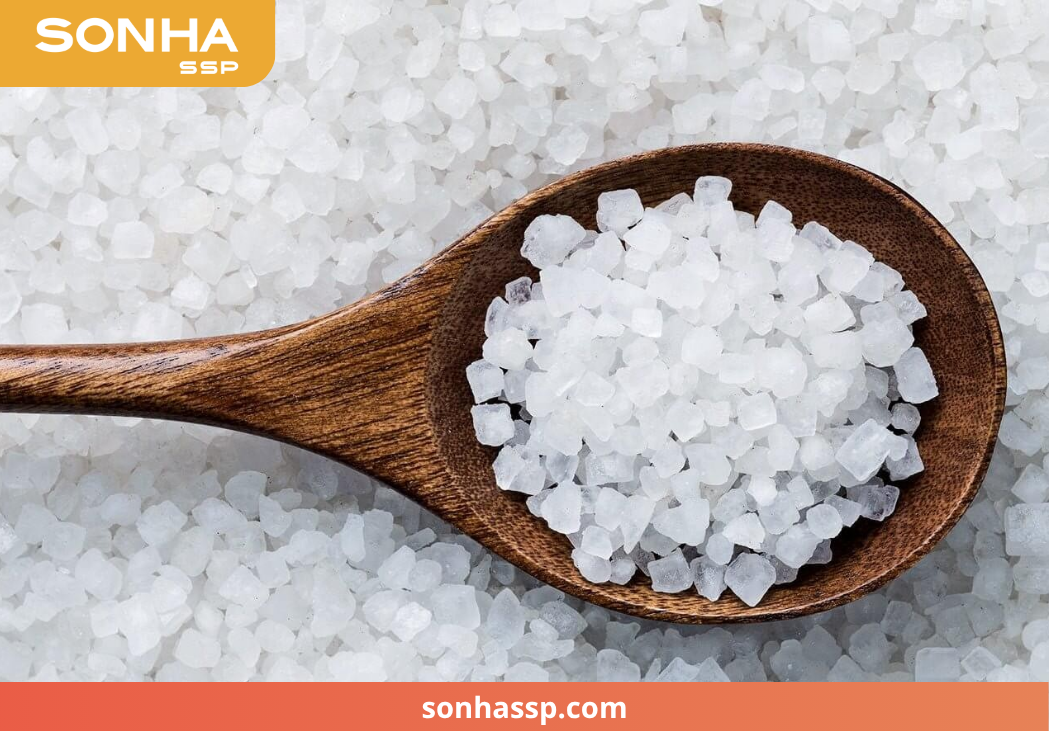
Treating rust on 304 stainless steel pipes with alum
2.1.2 Cleaning rusted 304 stainless steel pipes with carbonated soda Not only is it a favorite refreshing beverage for many, but carbonated soda is also an extremely effective cleaning “assistant” thanks to its mild acid content. If a 304 stainless steel pipe is rusted, simply pour the soda directly onto the affected area, wait for about 5–10 minutes, and then wipe it clean.

Carbonated soda helps reduce rust on 304 stainless steel pipes.
2.1.3 Using baking soda or vinegar to remove rust from 304 stainless steel pipes Baking soda and vinegar are two ingredients that you can easily find in almost any kitchen. To clean rust off 304 stainless steel pipes, sprinkle a small amount of baking soda directly onto the rusted spot. Alternatively, if you are using vinegar, pour a sufficient amount onto a soft cloth and rub it evenly over the rusted area.
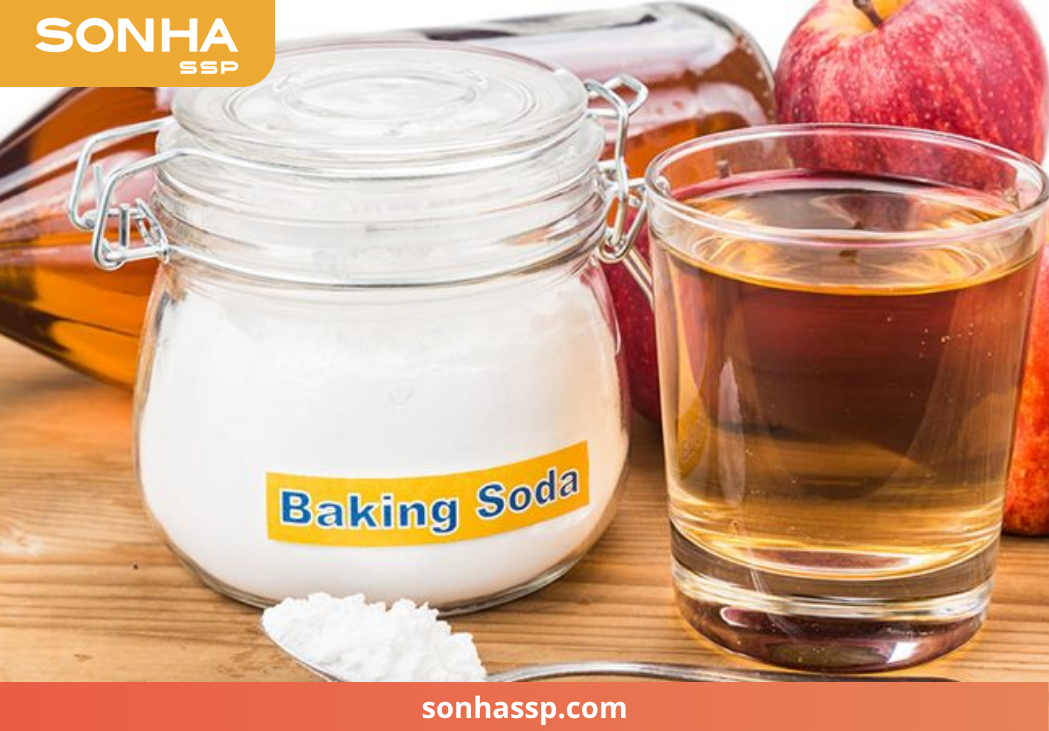
Combining baking soda and vinegar to clean rust off 304 stainless steel pipes.
For fresh rust spots, wait about 5–10 minutes; for older rust spots, leave it for about 1–2 hours to allow the baking soda or vinegar time to penetrate. After that, use a cloth to gently scrub in a circular motion to remove the rust and clean the surface of the stainless steel pipe.
2.2 How to fix heavily rusted 304 stainless steel pipes
To fix heavily rusted 304 stainless steel pipes, it is necessary to use more specialized chemicals and methods to remove the iron oxide layer and restore the corrosion-resistant surface.
2.2.1 Using specialized cleaning chemicals
For cases of heavy rust, natural household cleaners are usually not highly effective. Instead, you need to use specialized chemicals such as dilute nitric acid ($HNO_3$) or passivation solutions to remove the rust and restore the protective layer on the surface of the 304 stainless steel pipe.
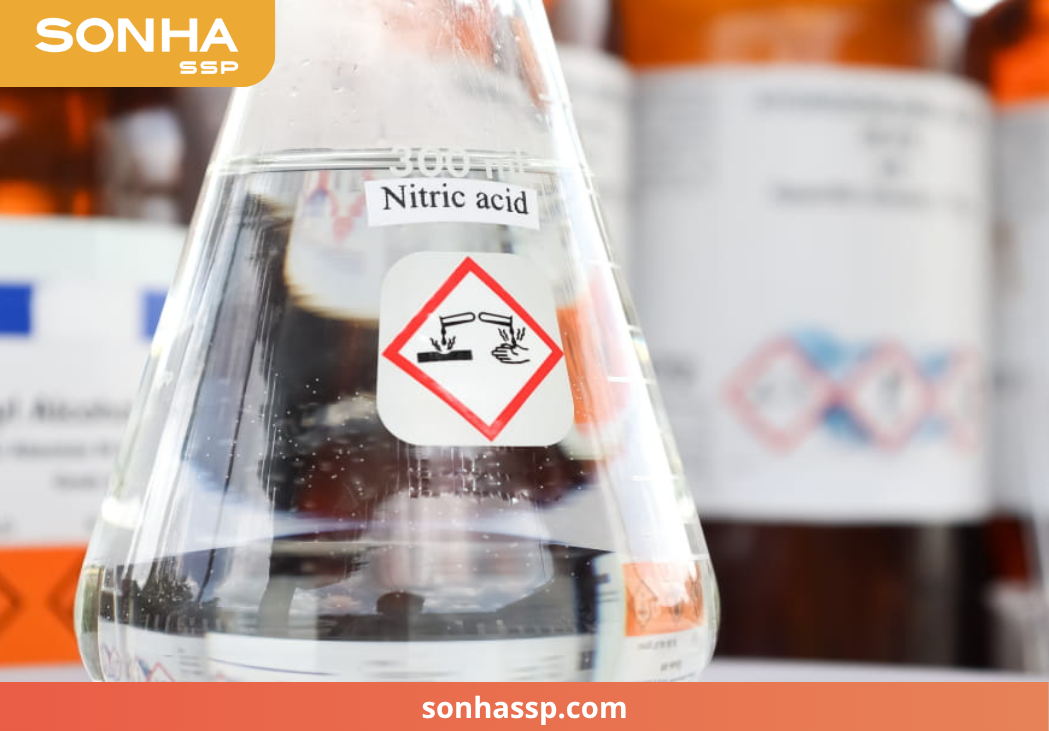
Nitric acid is a specialized chemical used to clean rust spots.
Instructions:
-
Step 1: Spray or brush the solution directly onto the rusted area, and wait for about 10–15 minutes to allow the chemical to react and dissolve the rust.
-
Step 2: Use a soft cloth to wipe the area, then rinse it thoroughly with clean water.
-
Note: During the process, you must follow the safety guidelines and wear protective gloves when handling chemicals.
2.2.2 Using anti-rust paint
For cases where 304 stainless steel pipes are installed outdoors and frequently exposed to harsh environmental conditions, using anti-rust paint will help prevent the oxidation process more effectively.
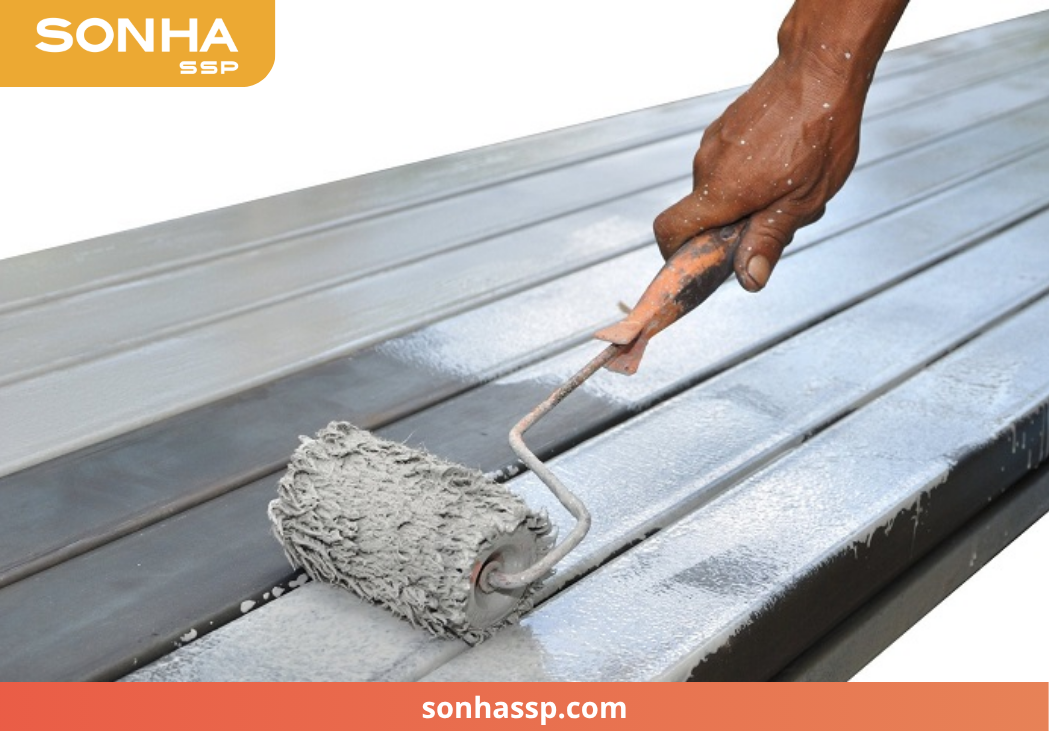
Use specialized anti-rust paint for cases of heavy rust.
Instructions:
-
Step 1: Clean and dry the surface of the 304 stainless steel pipe. Note that this is a crucial step to ensure the subsequent layer of anti-rust paint adheres firmly.
-
Step 2: Brush or spray a layer of anti-rust paint over the entire pipe. Use a brush or sprayer to coat the surface evenly, paying special attention to thoroughly touching up the welds and corners/edges. This creates an optimal protective film against harsh weather conditions.
2.2.3 Using mechanical polishing
Mechanical polishing is the ultimate method to completely remove heavy rust spots and renew the surface of 304 stainless steel pipes.
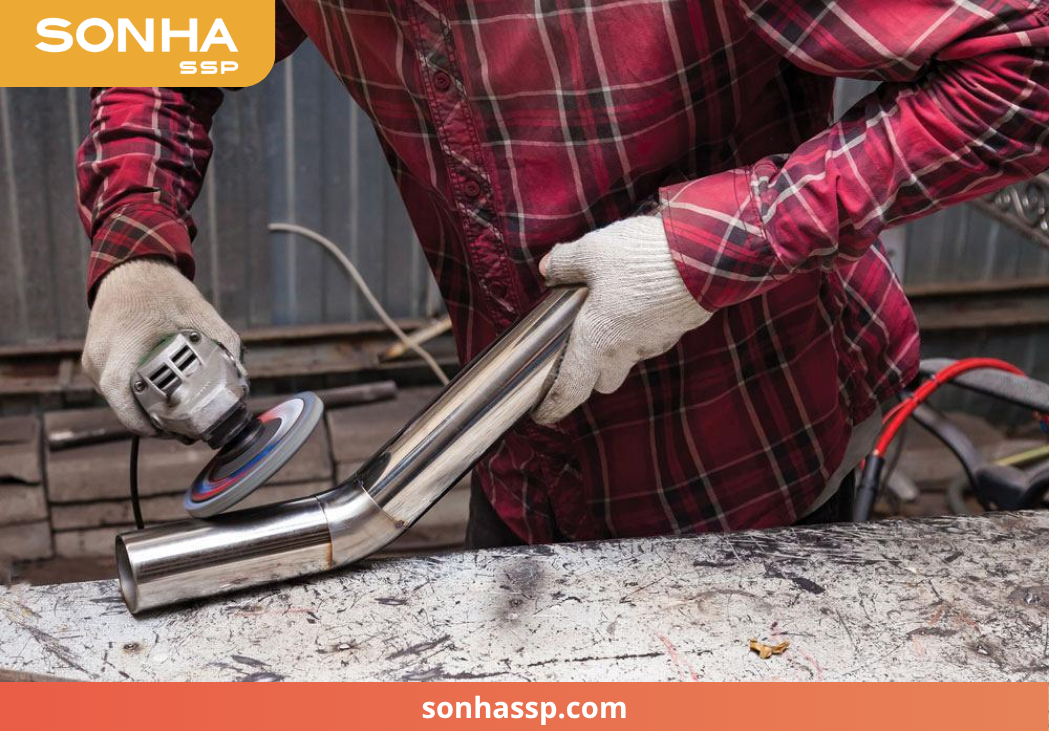
Using a grinder or handheld polisher to remove rust from stainless steel pipes.
Instructions:
-
Step 1: Use a handheld grinder or polisher equipped with a fine sanding disc. Next, gently scrub along the grain of the pipe’s surface until all rust spots are removed and the 304 stainless steel pipe regains its original shine.
-
Step 2: After polishing, use a soft cloth to wipe away the metal dust. You may also consider applying a layer of protective wax.
-
Note: When using grinding or polishing equipment, apply even pressure to avoid creating dents or deep scratches on the stainless steel pipe.
3. Tips for using 304 stainless steel pipes to prevent rust
After exploring the causes of rust on 304 stainless steel pipes and how to fix them, it is clear that resolving this issue depends not only on the stainless steel material itself but also on how it is used and maintained. To ensure the long-lasting durability of the product, please pay attention to the following points:
-
Avoid installation in damp or harsh chemical environments: When 304 stainless steel is exposed to high humidity or substances like acids and salts, its protective layer will break down, creating conditions for the rusting process to occur faster.
-
Limit strong physical impacts: Do not use steel wool or sharp tools when cleaning. Vigorous scrubbing will leave deep scratches, destroying the polished finish and accelerating corrosion.
-
Purchase from reputable brands: To ensure you are getting standard quality materials from the very beginning, you should place your trust in major companies like Son Ha SSP – a leading distributor of genuine 304 stainless steel pipes that meet international standards, committing to outstanding durability and optimal corrosion resistance for all projects.
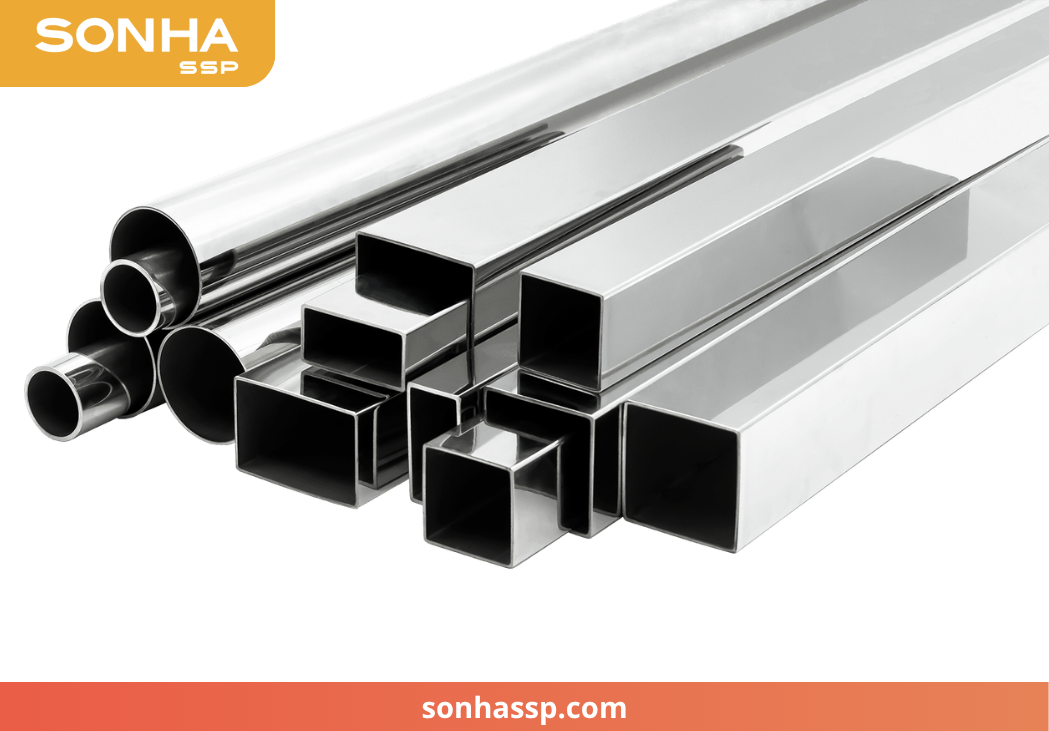
Son Ha SSP decorative stainless steel pipes meet international quality standards.
The information above provides useful insights into the causes of rust on 304 stainless steel pipes and how to effectively resolve it. Understanding the exact causes and applying proper maintenance is the “key” to optimizing the lifespan of your 304 stainless steel piping system. Do not let rust spots compromise the aesthetic appeal and safety of your projects; take proactive steps to protect them and choose high-quality materials today.
If you need further consultation on premium stainless steel pipe products, please contact Son Ha SSP immediately via our Hotline at 1800 6566 for the fastest advice and support!
⇒ RELATED ARTICLES:
Where to buy industrial stainless steel pipes to ensure quality?
3+ Ways to distinguish real and fake 304 stainless steel with 100% accuracy
Which is better: 304 or 430 stainless steel? Which one should you choose?
Next latest post

316 Stainless Steel Pipe Price List – Specifications and Detailed Quotation
304 vs 316 stainless steel: Which is better? Complete comparison and selection guide
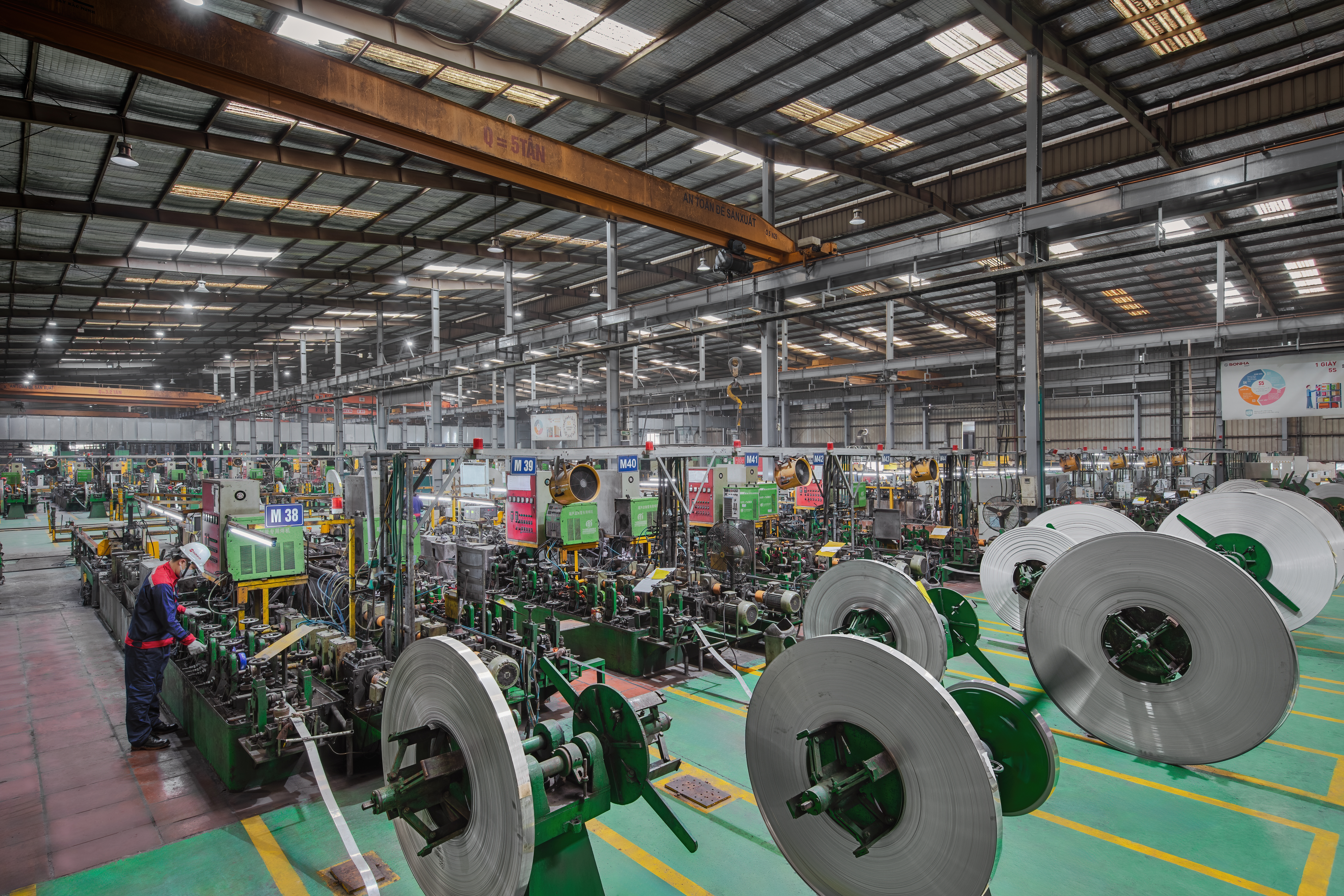
Son Ha SSP – The leading reputable stainless steel pipe manufacturer in Vietnam