

316 Stainless Steel Pipe Price List – Specifications and Detailed Quotation
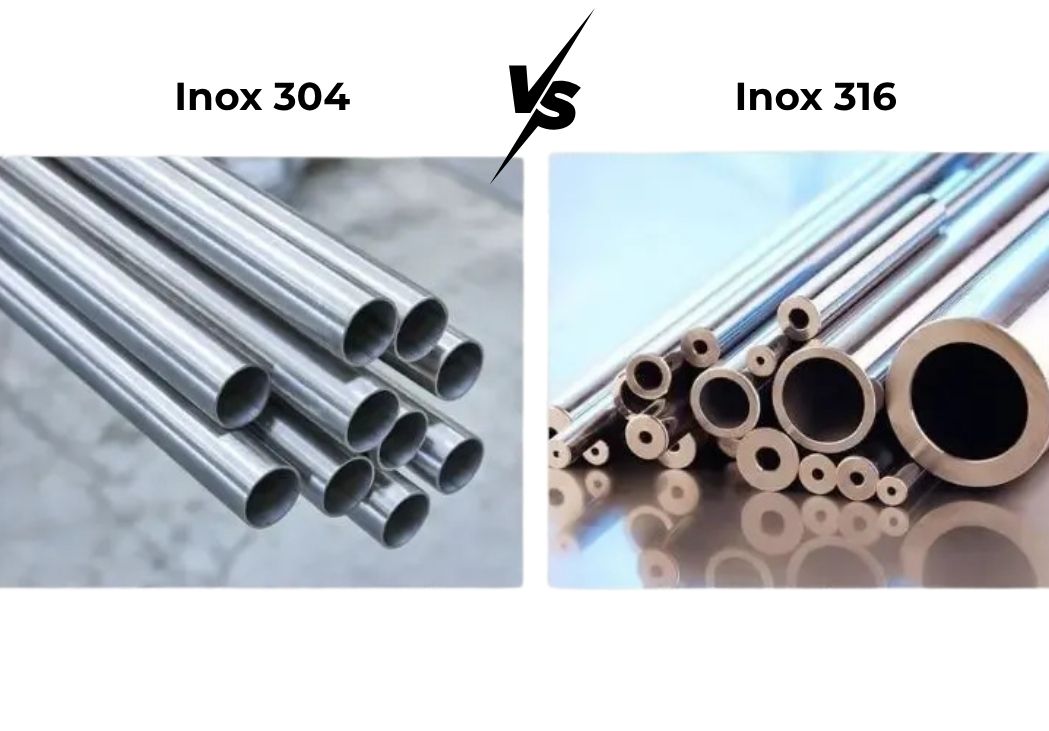
316 stainless steel pipe is widely used in industries such as chemical processing, oil and gas, marine applications, water treatment, food processing, and industrial equipment. Thanks to the addition of molybdenum, stainless steel 316 offers better corrosion resistance than 304, especially in environments containing salt and chlorides.

316 Stainless Steel
1. Latest 316 Stainless Steel Pipe Price List
Based on general market references, some common 316 stainless steel pipes may cost approximately VND 95,000 – 125,000 per kg. Industrial 316L pipes and seamless stainless steel pipes may cost more depending on the required specifications.
Reference 316 Stainless Steel Pipe Price List
| Product Type | Stainless Steel Grade | Reference Price |
| Decorative stainless steel pipe | SUS 316 | VND 95,000 – 110,000/kg |
| Industrial stainless steel pipe | SUS 316 | VND 105,000 – 125,000/k |
| Industrial stainless steel pipe | SUS 316L | Contact for quotation |
| Seamless stainless steel pipe | SUS 316/316L | VND 140,000 – 180,000/kg |
| SCH stainless steel pipe | 316/316L | Contact for quotation |
Note: The prices above are for reference only. Actual prices may vary depending on raw material costs, pipe diameter, wall thickness, standards, quantity, and market conditions.
For an accurate 316 stainless steel pipe quotation, customers should provide information such as outside diameter, wall thickness, length, required standard, quantity, and delivery destination.
2. 316 Stainless Steel Pipe Price by Size
In addition to pricing by kilogram, many customers also request quotations by pipe length or meter.
| Outside Diameter | Reference Thickness | Standard Length | Price |
| Ø21 | From 1.2 mm | 6 m | Contact |
| Ø27 | 1.2 – 2.0 mm | 6 m | Contact |
| Ø34 | 1.5 – 3.0 mm | 6 m | Contact |
| Ø48 | 1.5 – 4.0 mm | 6 m | Contact |
| Ø60 | 2.0 – 4.0 mm | 6 m | Contact |
| Ø76 | 2.0 – 5.0 mm | 6 m | Contact |
| Ø114 | 2.0 – 6.0 mm | 6 m | Contact |
| Ø168 and above | According to SCH | Customized | Contact |
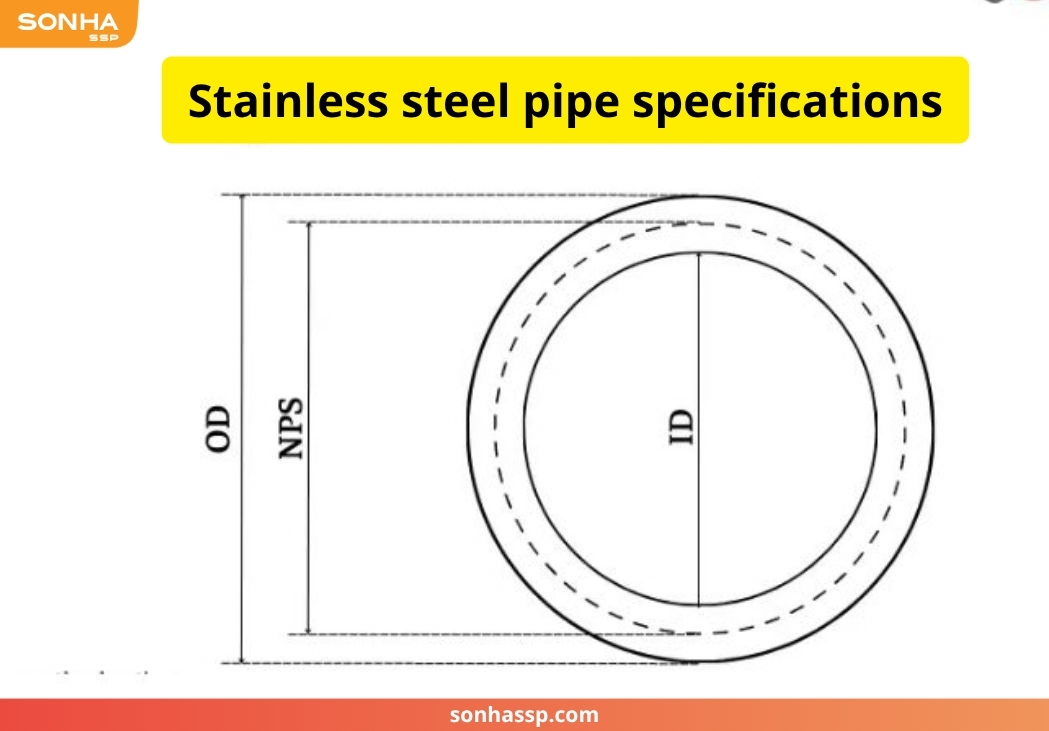
Industrial stainless steel pipes are commonly specified according to DN, NPS, or wall thickness schedules such as SCH5S, SCH10S, and SCH40S.
3. What Is 316 Stainless Steel Pipe?
316 stainless steel pipe belongs to the austenitic stainless steel family. Its main alloying elements include chromium, nickel, and molybdenum. The addition of molybdenum improves resistance to localized corrosion, especially in chloride-containing environments, chemical applications, and marine conditions. As a result, 316 stainless steel pipe is commonly selected for piping systems that require high corrosion resistance and long-term durability.
4. What Is the Difference Between 316 and 316L Stainless Steel Pipe?
316L stainless steel is a low-carbon version of 316 stainless steel. The letter “L” stands for “Low Carbon.”
Its lower carbon content helps reduce the risk of corrosion in heat-affected zones after welding. Therefore, 316L stainless steel pipe is commonly used in:
- Industrial piping systems.
- Chemical processing plants.
- Water treatment systems.
- Food and beverage production.
- Pharmaceutical facilities.
- Oil and gas applications.
- Coastal and marine environments.
For systems involving extensive welding or highly corrosive environments, 316L is often preferred.
5. Common Types of 316 Stainless Steel Pipe
- 316 Industrial Stainless Steel Pipe: Industrial stainless steel pipes are used for transporting water, gas, chemicals, and other fluids in production systems. They are commonly manufactured according to ASTM, EN, JIS, or DIN standards.
- 316 Welded Stainless Steel Pipe: Welded pipes are produced from stainless steel coils or sheets, which are formed into tubular shapes and welded longitudinally. Their key advantages include:
- Wide range of sizes.
- High production efficiency.
- Competitive pricing.
- Suitability for many industrial applications.
- 316 Seamless Stainless Steel Pipe: Seamless stainless steel pipes have no longitudinal weld seam and are commonly used in applications requiring high pressure, high temperature, or strict technical performance. Because of their manufacturing process and technical requirements, 316 seamless stainless steel pipe prices are generally higher than welded pipe prices.
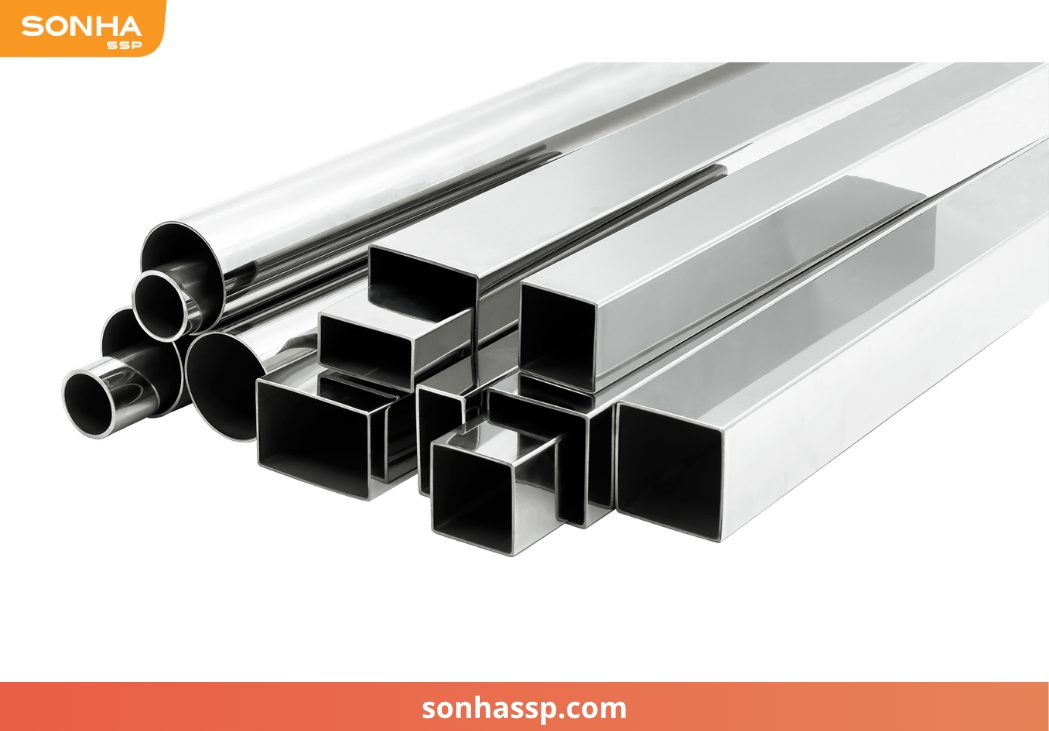
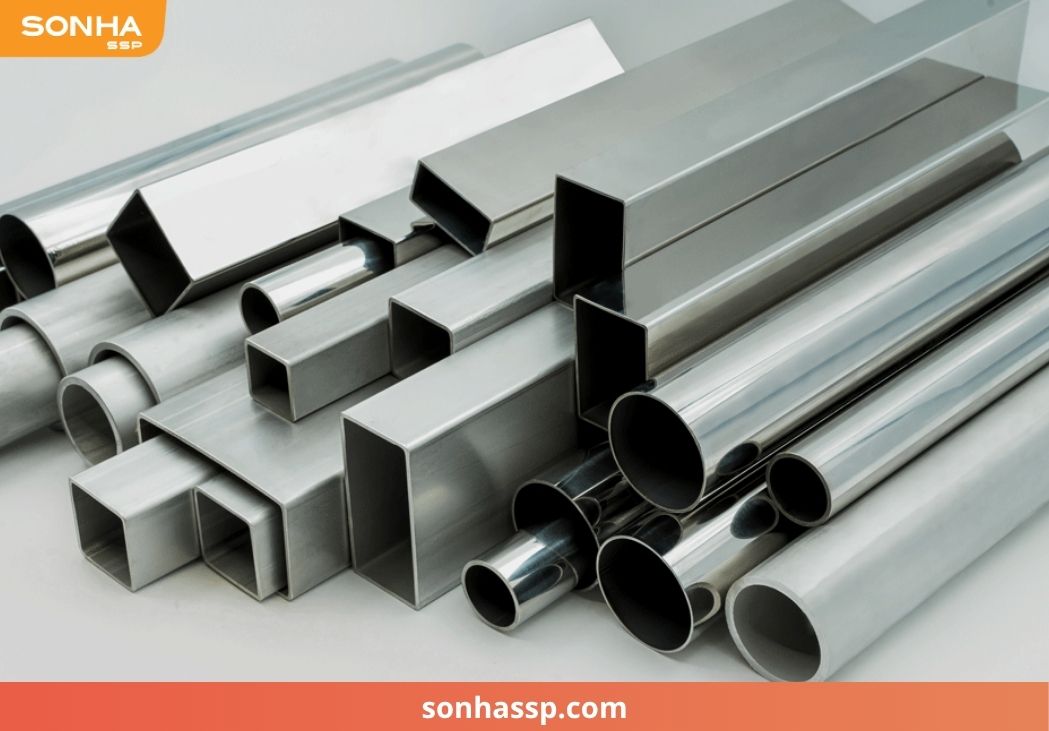
- 316 Decorative Stainless Steel Pipe: Decorative stainless steel pipes are widely used in architecture, interior decoration, railings, handrails, and applications where appearance is important.
6. Why Is 316 Stainless Steel More Expensive Than 304?
316 stainless steel is generally more expensive than 304 because of its alloy composition, particularly the presence of molybdenum.
Molybdenum gives 316 stainless steel better resistance to corrosion in environments containing chlorides, saltwater, and certain chemicals.
For general environments, stainless steel 304 may provide a more cost-effective solution. However, for coastal, marine, or chemical applications, 316 and 316L often offer better long-term durability.
7. Factors Affecting 316 Stainless Steel Pipe Prices
The 316 stainless steel pipe price may change depending on several factors:
- Nickel, chromium, and molybdenum prices.
- Pipe outside diameter.
- Wall thickness.
- Welded, seamless, industrial, or decorative pipe type.
- Manufacturing standards.
- Surface finishing requirements.
- Order quantity.
- Inspection and packaging requirements.
For this reason, customers should compare quotations based on the exact technical specifications rather than only looking at the price per kilogram.
8. Applications of 316 Stainless Steel Pipe
Due to its excellent corrosion resistance, 316 stainless steel pipe is widely used in:
- Chemical processing.
- Oil and gas.
- Petrochemical industries.
- Marine applications.
- Food and beverage processing.
- Water treatment.
- Pharmaceutical and medical equipment.
- Mechanical and industrial systems.
316 and 316L stainless steel are particularly suitable for environments exposed to moisture, salts, chlorides, and chemicals.
9. Standards for 316 Industrial Stainless Steel Pipe
Depending on the application and target market, 316 stainless steel pipe may be manufactured according to international standards such as:
- ASTM.
- EN.
- JIS.
- DIN.
Industrial pipes are also available in different wall thickness schedules, including SCH5S, SCH10S, and SCH40S.
Selecting the correct standard is important for oil and gas, chemical, water treatment, and industrial piping projects.
10. What Should You Consider When Buying 316 Stainless Steel Pipe?
Before placing an order, customers should clearly define:
- Stainless steel grade: 316 or 316L.
- Outside diameter.
- Wall thickness.
- Pipe length.
- Manufacturing standard.
- Surface finish.
- Operating environment.
- Required quantity.
For industrial and export projects, customers should also request relevant quality documentation and technical certificates.
11. 316 Stainless Steel Pipe Quotation from SONHA SSP VIETNAM
SONHA SSP VIETNAM supplies industrial stainless steel pipes in grades such as 304/304L and 316L for both domestic and international markets.
Products can be manufactured according to international standards including ASTM, EN, JIS, and DIN, serving industries such as oil and gas, chemical processing, water treatment, mechanical engineering, construction, and industrial equipment.
To receive an accurate 316 stainless steel pipe price, customers should provide: Stainless steel grade + outside diameter + wall thickness + length + standard + quantity + delivery destination.
SONHA SSP will recommend suitable specifications and provide a quotation based on the actual project requirements.
12. Frequently Asked Questions
How much does 316 stainless steel pipe cost per kg?
Some common 316 stainless steel pipes may have a reference price of approximately VND 95,000 – 125,000 per kg. Actual prices depend on pipe type, specification, order quantity, and market conditions.
Is 316L stainless steel pipe more expensive than 316?
There is no fixed price difference. The final price depends on the product type, standard, size, wall thickness, and raw material market. Industrial or seamless 316L pipes may cost more depending on technical requirements.
Which is better: 304 or 316 stainless steel?
304 stainless steel is suitable for many general applications and usually offers a lower cost. 316 stainless steel provides better corrosion resistance in marine, chloride-rich, and chemical environments, making it more suitable for demanding applications.
Should I choose 316 or 316L stainless steel pipe?
316L is generally preferred for systems involving extensive welding or exposure to highly corrosive environments because of its lower carbon content.
Conclusion
The 316 stainless steel pipe price list depends on various factors, including stainless steel grade, outside diameter, wall thickness, pipe type, manufacturing standard, order quantity, and raw material prices.
Therefore, market prices should only be used as a general reference. For industrial or large-volume orders, customers should provide complete technical specifications to receive an accurate quotation.
Furthermore, if you are looking for a high-quality stainless steel pipe supplier, please explore our products and contact Son Ha SSP immediately via our Hotline at (+84) 986434303 for the fastest support and consultation!
>> RELATED ARTICLES
304 vs 316 stainless steel: Which is better? Complete comparison and selection guide
Son Ha SSP – The leading reputable stainless steel pipe manufacturer in Vietnam
Stainless steel pipe welding: Methods, techniques & best practices
Next latest post
Detailed Decorative Stainless Steel Pipe Size Chart 2026
Decorative stainless steel material standards: Key criteria you need to know
Decorative stainless steel pipe specifications & standard size chart