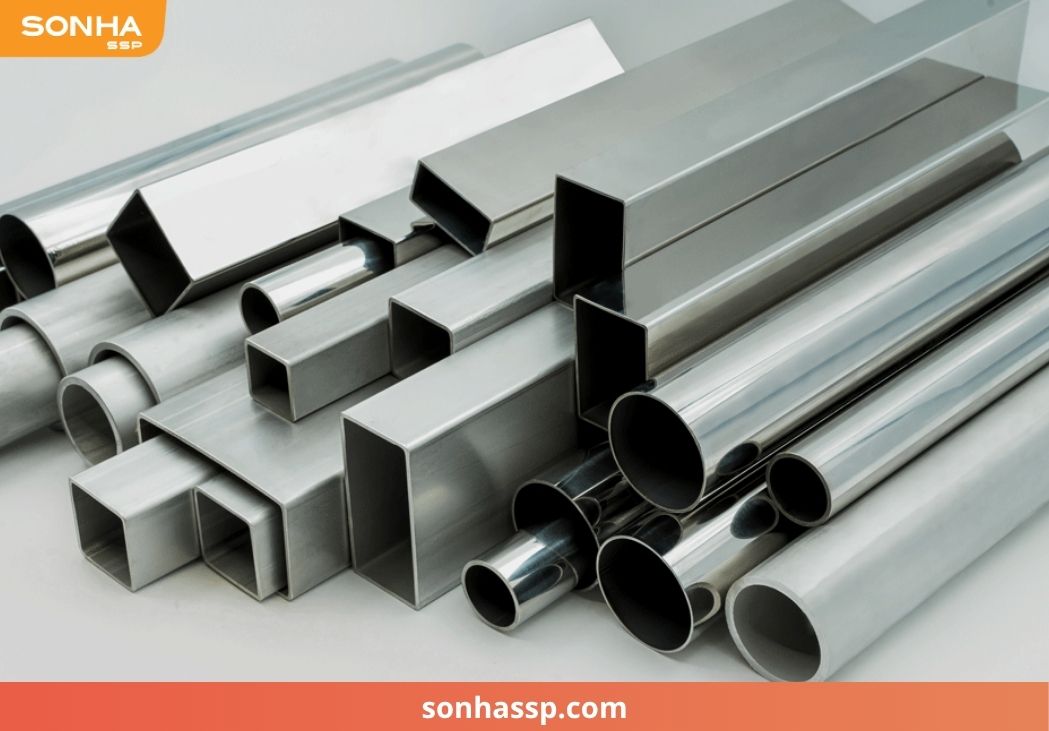


Explore the applications of 304 stainless steel pipes in Industry
The applications of 304 stainless steel pipes in industry are highly diverse, ranging from food and pharmaceuticals to chemicals and construction. In the article below, Son Ha SSP will analyze each industrial application of 304 stainless steel pipes in detail, helping you understand why this material is so widely chosen.
1. Why 304 stainless Steel pipes are widely used in industry
304 stainless steel pipes are a type of stainless steel pipe made primarily from 18%–20% chromium and 8%–10.5% nickel. This composition helps form a passive oxide layer on the metal surface—an invisible yet highly durable protective layer that can self-heal when lightly scratched in the presence of oxygen.
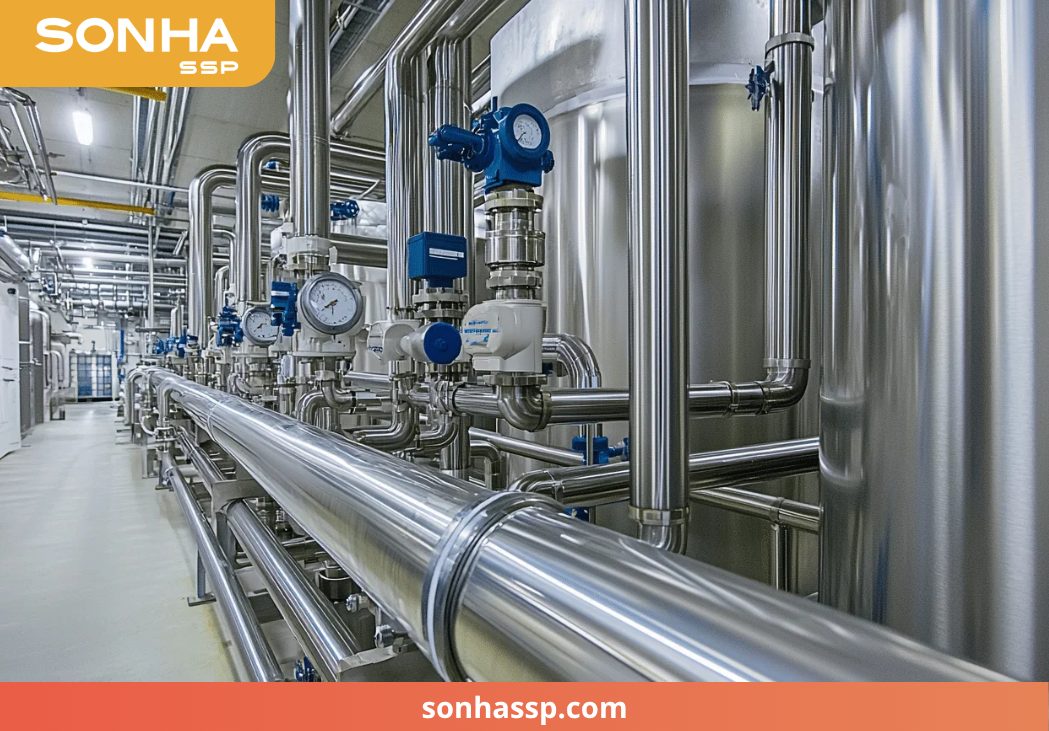
Applications of 304 Stainless Steel Pipes in Industry
As a result, 304 stainless steel pipes offer a wide range of outstanding advantages, such as excellent corrosion resistance in normal industrial environments, heat resistance of up to approximately 870°C under intermittent exposure, a surface that does not accumulate bacteria and is easy to clean, stable mechanical properties from very low to high temperatures, and flexible processing, welding, and bending capabilities. These outstanding characteristics are also the reason why 304 stainless steel pipes have become a reliable choice in the industrial sector.
2. Exploring the Applications of 304 Stainless Steel Pipes in Industry
2.1 Food and Beverage Industry
This is the sector where 304 stainless steel pipes demonstrate their advantages most clearly and are most widely used in practice. The food industry requires piping materials to meet multiple strict criteria at the same time, such as: no chemical reaction with food, no metal contamination in the product, and compatibility with clean-in-place (CIP) processes using alkaline and mild acidic cleaning agents. In addition, the material must withstand high temperatures during sterilization.
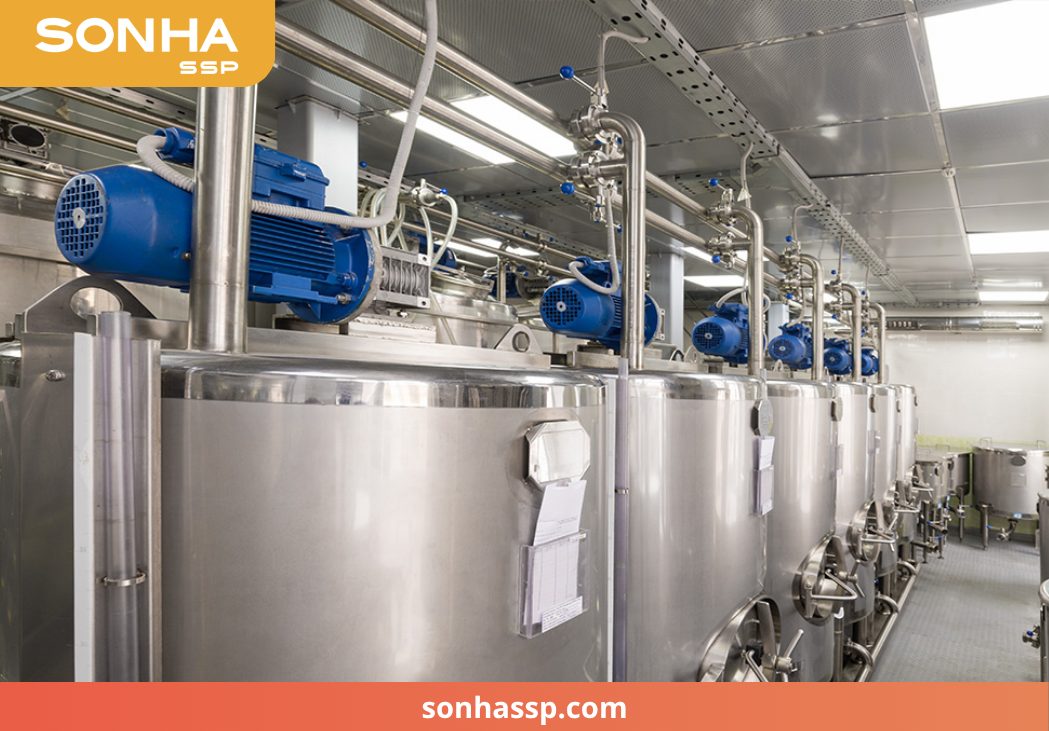
Applications of 304 Stainless Steel Pipes in the Food and Beverage Industry
304 stainless steel pipes meet all of these requirements and are approved under international standards such as ASTM (USA), JIS (Japan), and DIN-EN (Europe). In practice, piping systems used to transport milk, fruit juice, beer, wine, vegetable oil, and purified water in most medium- and large-scale factories in Vietnam use 304 stainless steel pipes as the primary material.
2.2 Pharmaceutical and Medical Processing Industry
In pharmaceutical processing, the cleanliness requirements for piping systems are even higher than those in the food industry. 304 stainless steel pipes are processed to meet special surface standards, achieving a roughness of Ra ≤ 0.8 µm or lower, which helps minimize the ability of bacteria to adhere to the inner pipe wall. This is a critical factor in systems used to transport distilled water, demineralized water, and pharmaceutical solutions.
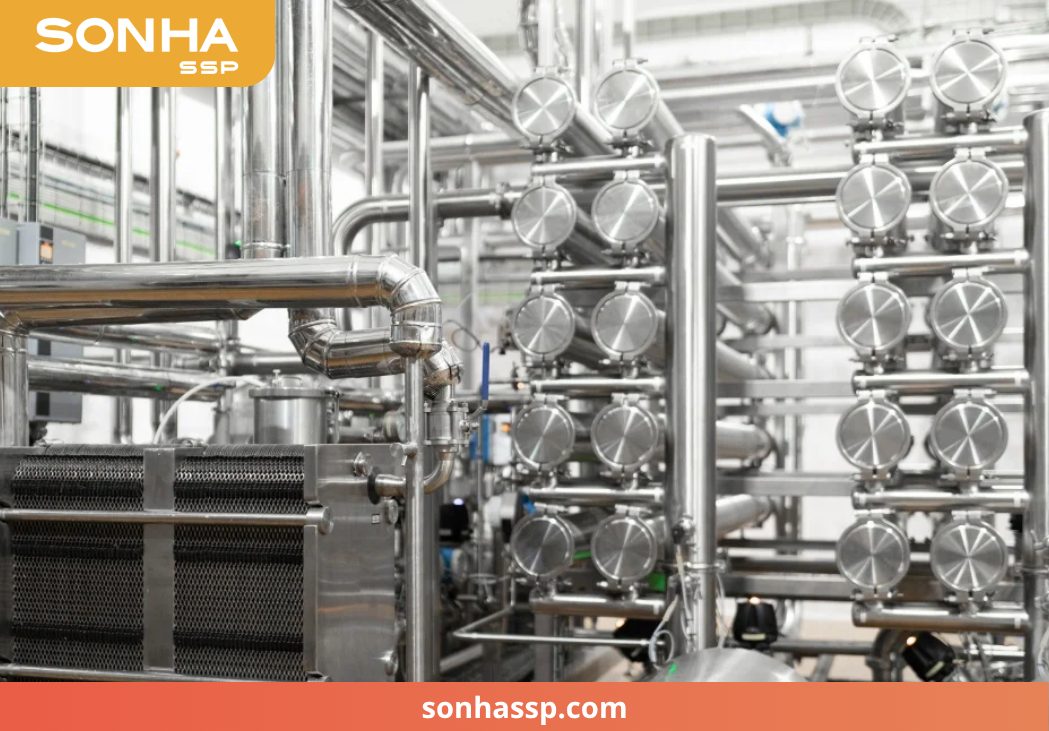
Applications of 304 Stainless Steel Pipes in the Pharmaceutical and Medical Industries
2.3 Water Supply, Drainage, and Wastewater Treatment Systems
The application of 304 stainless steel pipes in municipal and industrial clean water supply systems is becoming increasingly common in Vietnam, gradually replacing traditional plastic pipes and galvanized steel pipes. The reason is straightforward: plastic pipes may leach chemicals after many years of use, while galvanized steel pipes are prone to internal corrosion and rust buildup over time.
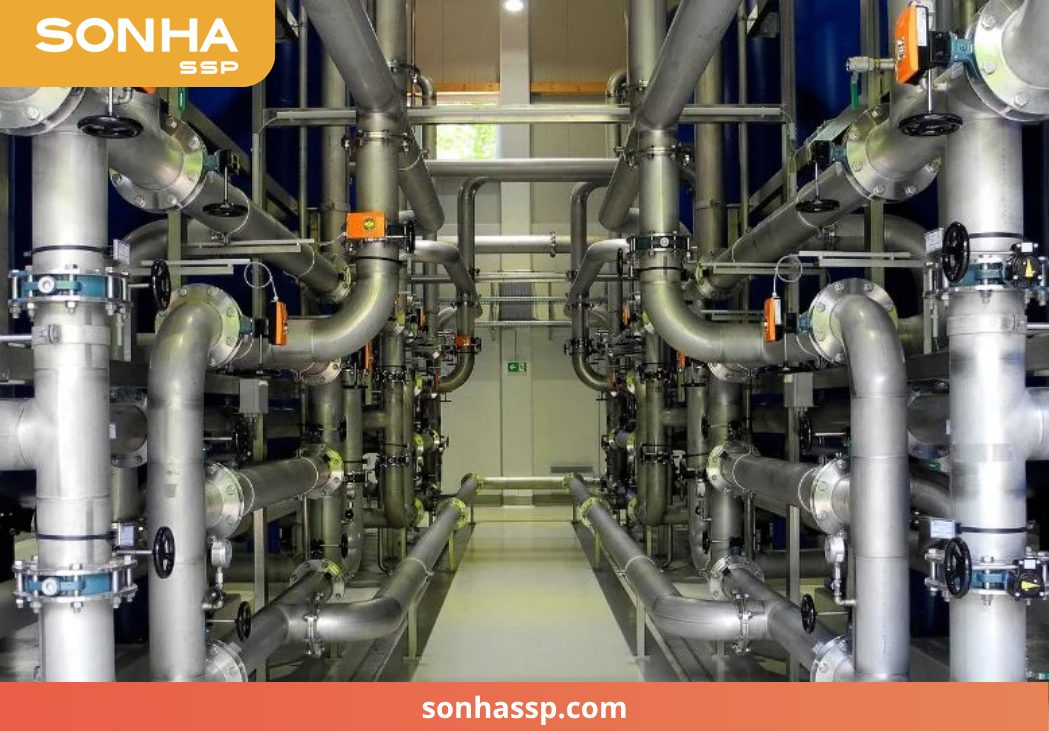
Applications of 304 Stainless Steel Pipes in Water Supply and Drainage Piping Systems
304 stainless steel pipes effectively overcome both of these drawbacks. When properly installed, their service life in clean water supply systems typically exceeds 30–40 years—an impressive lifespan that is difficult for alternative materials in the same price range to achieve. In industrial wastewater treatment plants, 304 stainless steel pipes are also used for pipelines carrying neutral to mildly alkaline fluids, where the corrosive conditions are not excessively severe.
2.4 Chemical Industry
This is a sector that requires careful material selection, as 304 stainless steel pipes are well suited to certain chemical environments, but not all. Specifically, they perform well in diluted nitric acid, alkaline solutions, ammonia, and many common organic solvents. However, for environments with high chloride content, hydrochloric acid, or concentrated sulfuric acid, upgrading to 316 stainless steel or specialized alloys should be considered.
In practice, most chemical manufacturing plants, paint factories, and fertilizer plants use 304 stainless steel pipes in areas that are not directly exposed to highly corrosive chemicals, such as cooling water systems, domestic water supply lines, and compressed air systems.
2.5 Oil, Gas, and Energy Industry
In the oil and gas industry, 304 stainless steel pipes are mainly used for utility systems such as fresh water pipelines, cooling water lines, instrument air piping, and certain low-pressure steam lines. Their excellent heat resistance and long-term mechanical stability make 304 stainless steel pipes a reliable choice for continuously operating systems in environments with fluctuating temperatures.
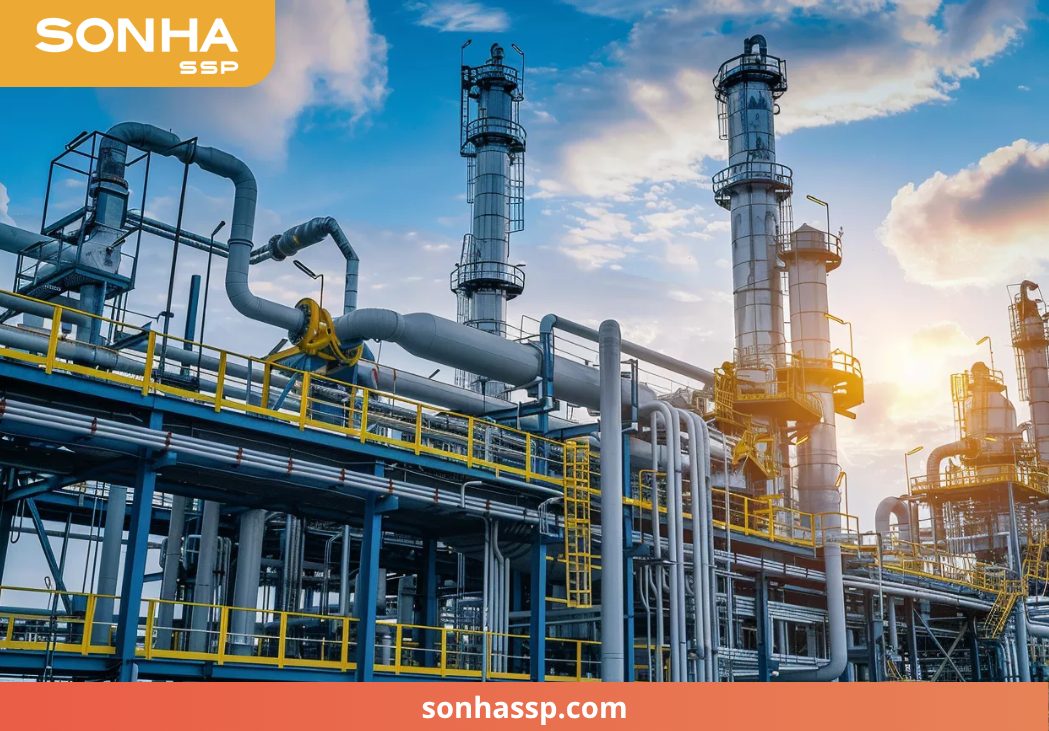
Applications of 304 Stainless Steel Pipes in the Oil, Gas, and Energy Industries
At power plants and oil refineries, 304 stainless steel pipes are also used in heat exchanger systems, insulated piping, and pipe support structures—applications that require a material lighter than carbon steel while offering superior mechanical strength and oxidation resistance.
2.6 Industrial Construction and Architectural Structures
In addition to serving as piping material, 304 stainless steel pipes are widely used in industrial architectural structures, including factory handrails, emergency staircases, equipment support frames, and pipe suspension systems. Their attractive appearance and excellent corrosion resistance—without the need for protective coatings—significantly reduce routine maintenance costs compared to conventional carbon steel.

Applications of 304 Stainless Steel Pipes in Architecture and Interior Design
In industrial parks and manufacturing facilities with controlled humidity, 304 stainless steel pipes are also widely used as structural materials, offering excellent long-term economic value throughout the service life of the facility.
3. Key Considerations When Using 304 Stainless Steel Pipes in Industrial Applications
Although 304 stainless steel is a high-quality material, it does have application limitations that users should understand to avoid unexpected failures. In environments with high chloride concentrations—such as direct seawater exposure, concentrated salt solutions, or certain industrial cleaning chemicals containing chlorides—the passive oxide layer of 304 stainless steel can be damaged, leading to severe corrosion. In such cases, 316 or 316L stainless steel pipes should be considered to ensure long-term durability and reliable performance.
Key Considerations When Using 304 Stainless Steel Pipes in Industrial Applications
In addition, weld quality plays a decisive role in the service life of the entire piping system. Improper welding of 304 stainless steel can cause carbon precipitation in the heat-affected zone (HAZ), reducing its localized corrosion resistance. Applications of 304 stainless steel pipes span a wide range of industries, including food processing, pharmaceuticals, water supply and drainage, chemicals, oil and gas, and construction. If you are looking for high-quality 304 stainless steel pipes for your project, contact Son Ha SSP today via our Hotline: 1800 6566 for expert consultation and prompt support.
> RELATED ARTICLES
The difference between industrial stainless steel pipes and decorative stainless steel pipes
How rigorous is Son Ha SSP’s stainless steel pipe manufacturing process?
Next latest post

THƯƠNG HIỆU QUỐC GIA VIỆT NAM 2026 VINH DANH 5 SẢN PHẨM SƠN HÀ
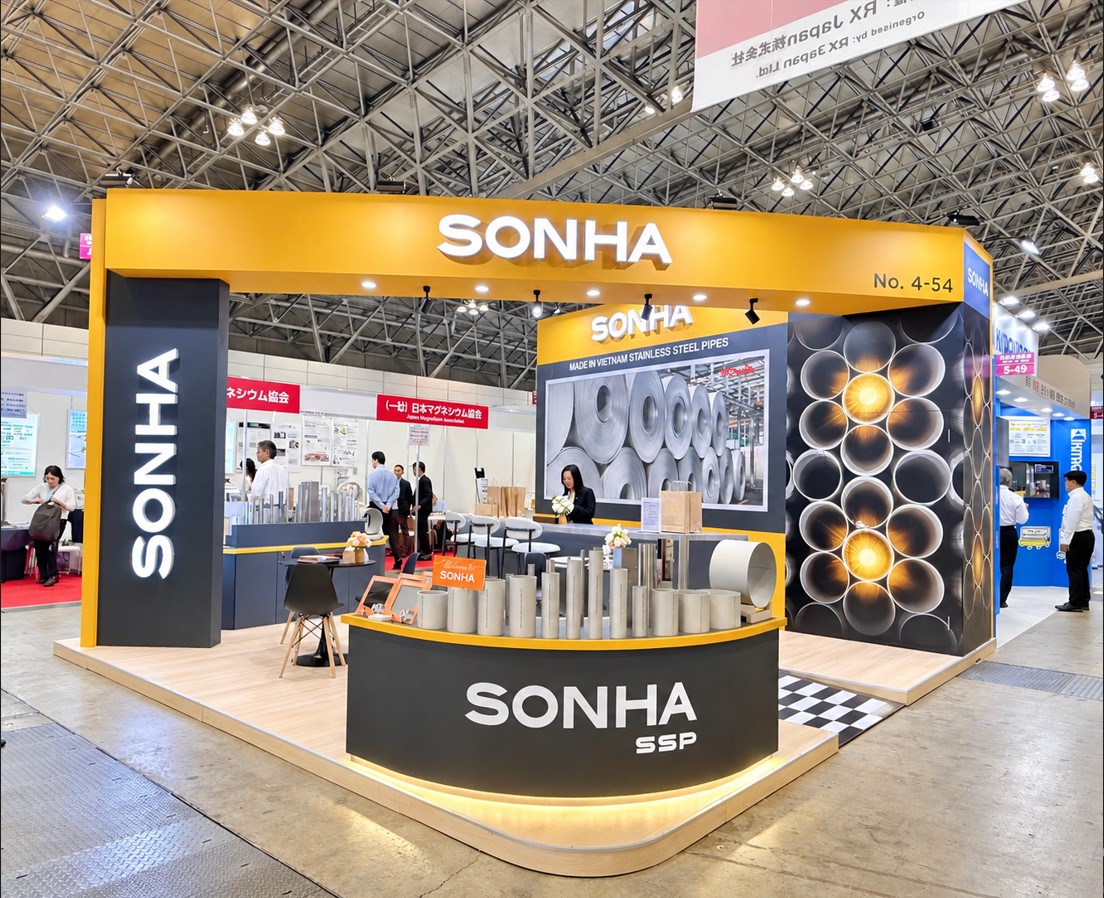
Looking back on SONHA SSP’s journey at highly-functional Material Week Tokyo 2026
Detailed decorative stainless steel pipe size chart 2026