

How rigorous is Son Ha SSP’s stainless steel pipe manufacturing process?
Son Ha SSP stainless steel pipes have long established a strong position in the market thanks to their superior quality and stringent manufacturing process. To achieve this, Son Ha SSP continuously invests in advanced technologies and applies rigorous international standards throughout every stage of production. So, how strict is Son Ha SSP’s stainless steel pipe manufacturing process? Let’s explore the details in this article.
1. The 12-Step Manufacturing Process of Son Ha SSP Stainless Steel Pipes
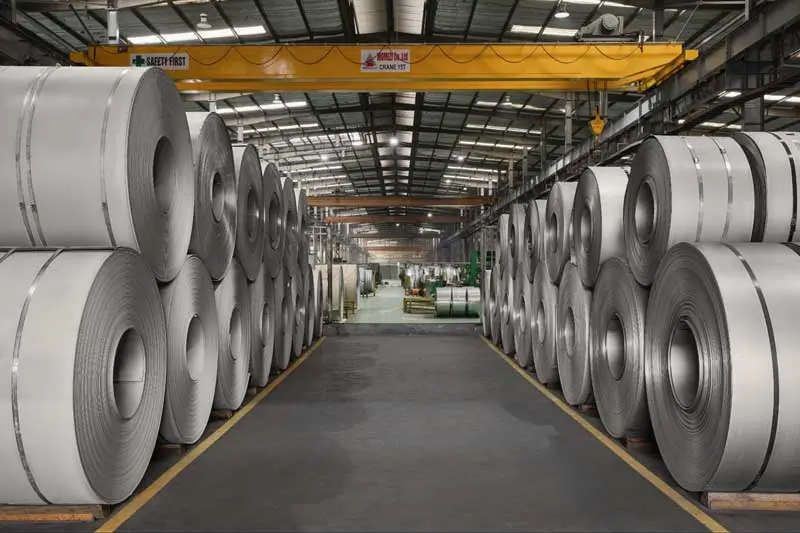
Step 1: Raw Material Importation
The manufacturing process of Son Ha SSP stainless steel pipes begins with the importation of internationally certified raw materials from reputable suppliers. All incoming materials are carefully selected and inspected to ensure they meet the most stringent quality requirements. Upon arrival, the materials are stored in the warehouse, and all relevant information is recorded and managed through a modern warehouse management system. This process ensures that every batch of raw materials is strictly controlled, from origin verification to quality assurance, contributing to the production of durable and reliable Son Ha SSP stainless steel pipes.
Raw material importation
Step 2: Raw Material Inspection
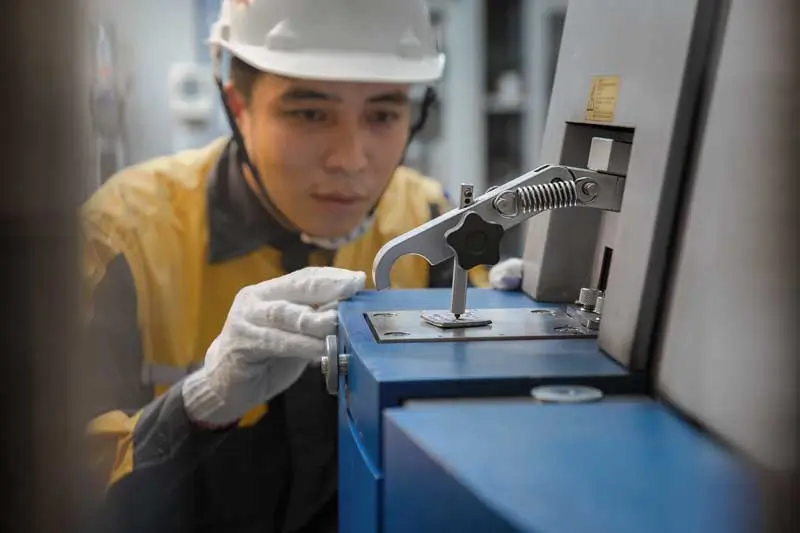
After importation, all raw materials undergo a rigorous inspection process to ensure compliance with Son Ha SSP’s strict quality requirements. First, material samples are analyzed using a spectrometer to accurately determine their chemical composition and verify the presence of required alloying elements.
Next, key mechanical properties such as tensile strength, ductility, and hardness are tested to evaluate the material’s strength, durability, and flexibility. In addition, the surface appearance of the raw materials is carefully inspected to identify any defects that could affect the quality of the final product. Only materials that fully meet all specified chemical, mechanical, and visual inspection standards are approved for the next stage of the manufacturing process.
Raw material testing
Step 3: Strip Rolling
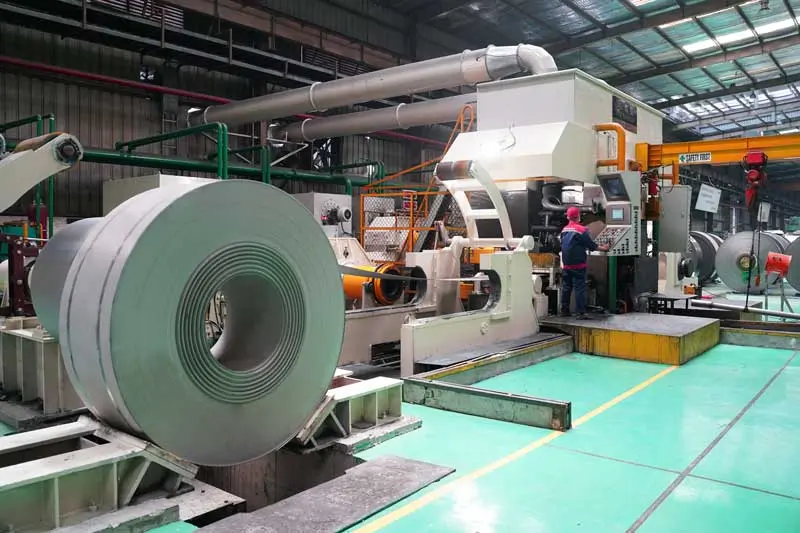
After passing the inspection stage, the stainless steel coils are transferred to the strip rolling process. This stage is designed to reduce the material thickness and produce strips that meet specific manufacturing requirements. Through advanced rolling technology, stainless steel strips can be processed to a thickness as low as 0.3 mm while maintaining high precision, with a tolerance of only ±0.02 mm. The strip rolling process not only ensures accurate thickness control but also improves the consistency and surface quality of the stainless steel. As a result, the final products achieve superior standards in terms of dimensional accuracy, uniformity, and overall appearance.
Step 4: Strip Annealing
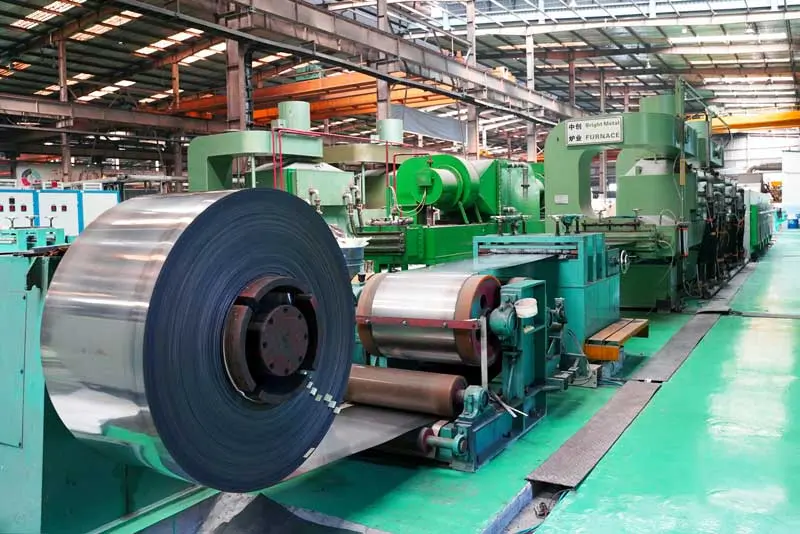
The strip rolling process alters the molecular structure of stainless steel, causing the material to lose some of its essential mechanical properties. To restore these properties, the stainless steel strips undergo an annealing process, which is considered one of the most critical stages in the stainless steel pipe manufacturing process. During this stage, the material is heated in an annealing furnace at temperatures of approximately 1,000°C. The high-temperature annealing process restores the stability of the metal’s molecular structure and enhances its original mechanical properties, particularly ductility and strength.
After heating, the stainless steel strips are cooled using air-cooling methods. Finally, hardness testing is conducted to verify that the material meets the required quality standards before proceeding to the next stages of production. The annealing process plays a vital role in ensuring the durability, formability, and overall performance of Son Ha SSP stainless steel pipes.
Step 5: Strip Slitting
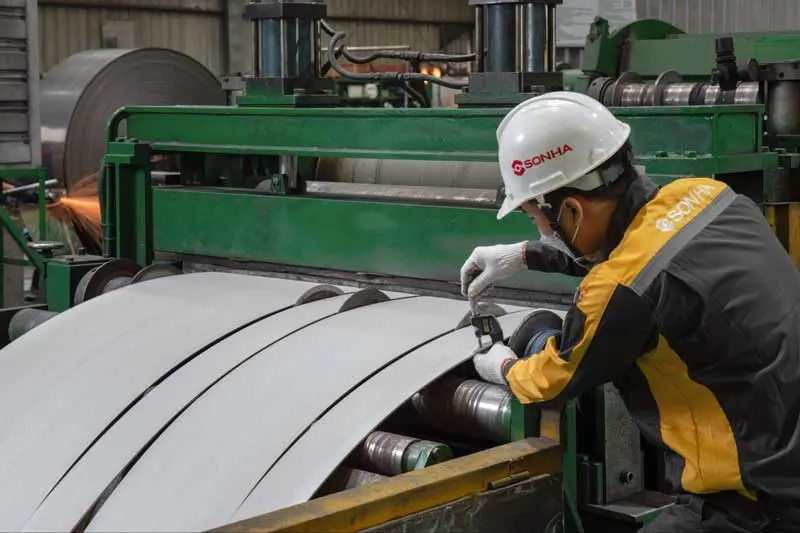
After the annealing process is completed, the material is transferred to the strip slitting stage, where it is cut into strips of specific widths according to the production requirements of different stainless steel pipe sizes. The slitting process requires a high level of precision to ensure uniform strip dimensions and smooth, clean edges. Accurate slitting is a critical factor that not only facilitates the subsequent tube-forming process but also contributes significantly to the quality, dimensional accuracy, and appearance of the final product. By maintaining strict control throughout the slitting stage, Son Ha SSP ensures that every stainless steel strip meets the exact specifications required for the next manufacturing processes.
Step 6: Tube Forming and Welding
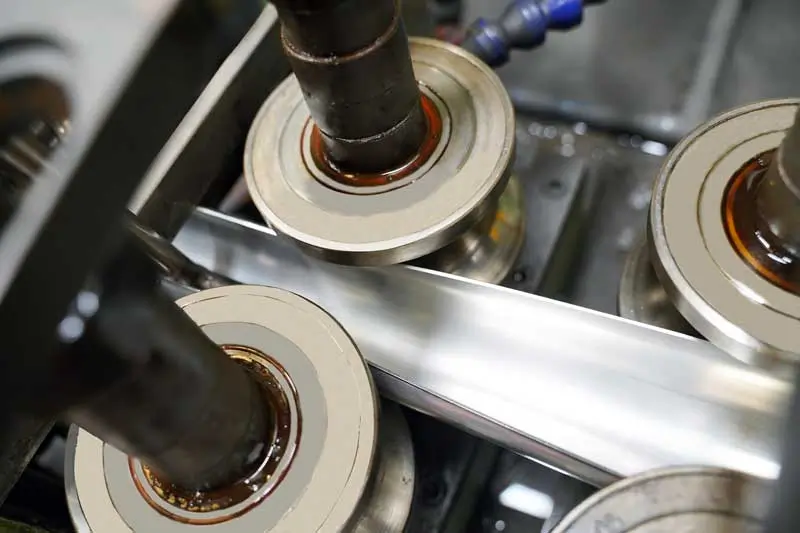
After being slit to the required dimensions, the stainless steel strips are fed into a tube-forming machine, where they are gradually shaped into a tubular form. The tube edges are then joined and welded using TIG (Tungsten Inert Gas) or MIG (Metal Inert Gas) welding technology to create strong and durable weld seams.
The welding process is strictly controlled to ensure that the welds are free from cracks, porosity, and other defects that could affect product performance. Once welding is completed, the weld area is thoroughly cleaned to remove impurities, oxides, and debris, ensuring a smooth and uniform surface that blends seamlessly with the rest of the pipe.
The tube-forming and welding process operates continuously under the close supervision of experienced technicians. This ensures that every Son Ha SSP stainless steel pipe meets precise dimensional requirements while maintaining excellent surface quality and structural integrity.
Step 7: Tube Straightening and Sizing
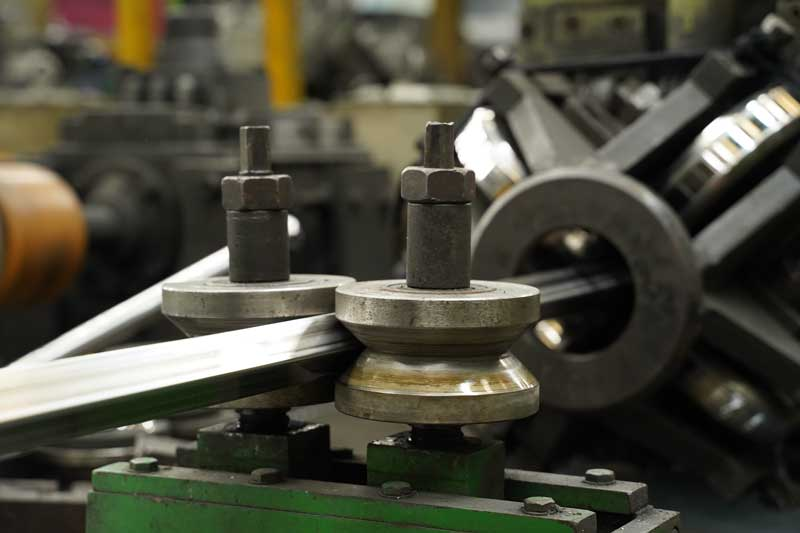
During the tube straightening and sizing stage, round stainless steel tubes are further processed into the required shapes, including round, square, and rectangular tubes, depending on product specifications.
The tubes are then cut to the desired lengths with high dimensional accuracy to meet customer and industry requirements. Following the cutting process, each tube undergoes a thorough inspection to verify its appearance, wall thickness, dimensions, and overall quality. This stage plays a crucial role in ensuring that every Son Ha SSP stainless steel tube meets strict standards for shape accuracy, consistency, and surface quality before moving on to the next production process.
Step 8: Surface Polishing
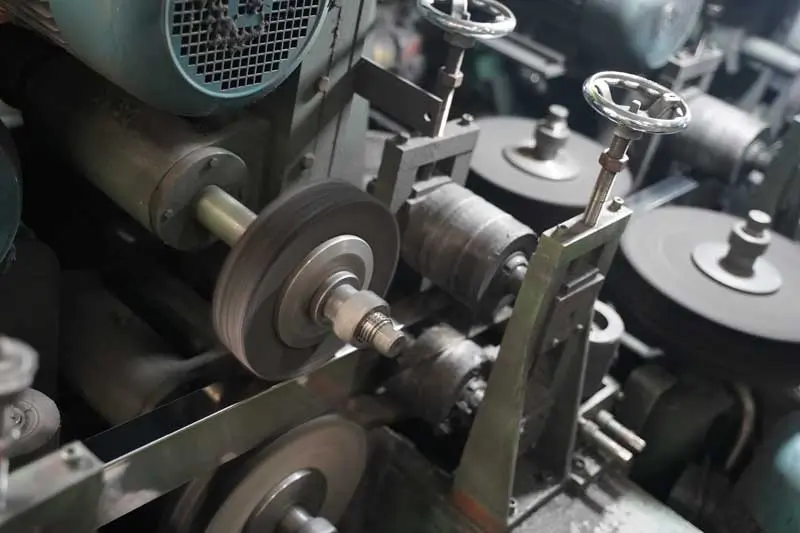
Surface polishing is a crucial stage in ensuring both the appearance and quality of stainless steel tubes. During this process, the tubes pass through advanced polishing machines that smooth the surface and create a bright, attractive finish.
Polishing not only enhances the visual appeal of the stainless steel tubes but also removes minor scratches, imperfections, and surface defects. After polishing, each tube undergoes a thorough inspection to evaluate its gloss, smoothness, and overall surface quality, ensuring that no scratches, dents, or blemishes remain.
This process is primarily applied to decorative stainless steel tubes, providing a flawless appearance for applications that require high aesthetic standards, such as handrails, staircases, rolling doors, architectural structures, and interior design projects.
Step 9: Solution Annealing
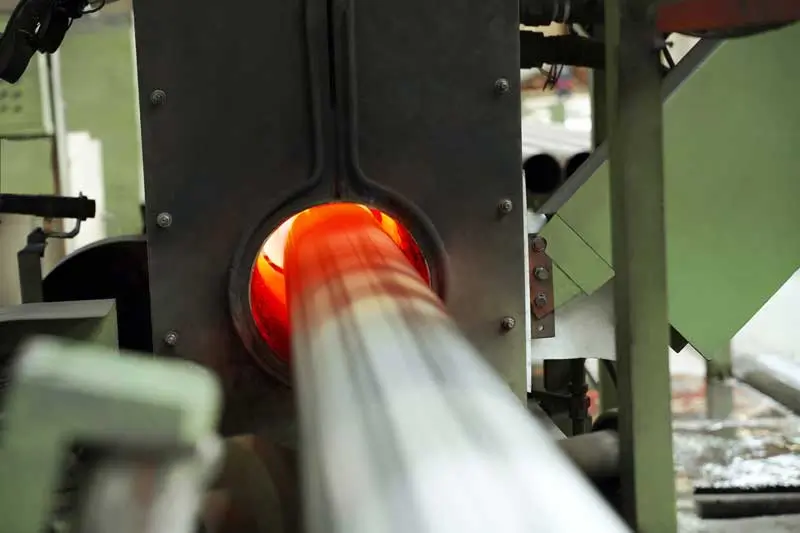
The stainless steel tubes are passed through a high-frequency annealing furnace, where the temperature is raised to approximately 1,040°C. This process restores the microstructure of the stainless steel, improves its mechanical properties, and ensures the long-term stability of the material.
Once the required temperature is reached, the tubes are rapidly cooled using a water-quenching process. Rapid cooling helps prevent the formation of unwanted oxide layers and preserves the corrosion resistance characteristics of the stainless steel.
After cooling, the tubes undergo a visual inspection to verify surface quality. Technicians carefully check for any signs of discoloration, black oxide scaling, or other surface defects to ensure the tubes meet Son Ha SSP’s stringent quality standards before proceeding to the next stage of production.
Step 10: Pickling and Cleaning
At this stage, the stainless steel tubes are immersed in a specialized acid bath to remove stubborn contaminants, oxide scales, and surface impurities while enhancing the brightness and cleanliness of the tube surface.
Following the pickling process, the tubes are thoroughly washed using high-pressure water to ensure that all acid residues and remaining impurities are completely removed. This process helps restore the stainless steel’s clean surface and prepares it for the final quality inspection stages.
Step 11: Pressure Testing
After completing all manufacturing processes, each stainless steel tube undergoes a pressure test to verify its strength, durability, and leak-tight performance.
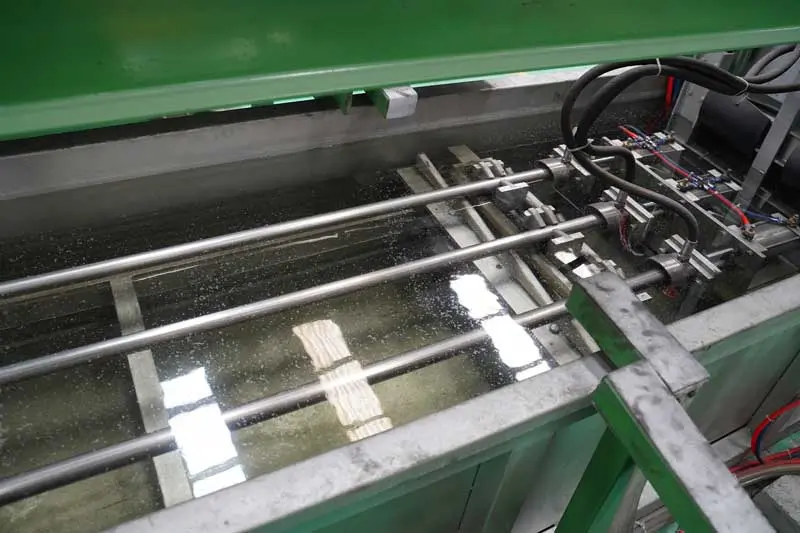
During this stage, Son Ha SSP stainless steel tubes are tested using a pneumatic pressure testing machine. Both ends of the tube are sealed with pistons, and compressed air is injected into the tube at pressures ranging from 100 to 300 kPa, depending on the tube specification. The tube is then submerged in a water tank to check for any escaping air bubbles.
If bubbles are detected, it indicates the presence of leaks or defects, and the tube is rejected for further inspection and corrective action. Only tubes that pass the test without any signs of leakage are approved for the next stage. This rigorous pressure testing process plays a vital role in identifying and eliminating non-conforming products, ensuring that every Son Ha SSP stainless steel tube meets the highest standards of quality and reliability.
Step 12: Marking, Packaging, and Warehousing
Stainless steel tubes that successfully pass all quality inspections are marked, packaged, and prepared according to the specifications of each customer order. After packaging, the products are transferred to the warehouse, where they are stored under controlled conditions and made ready for delivery to customers worldwide.
2. Frequently Asked Questions
What Types of Stainless Steel Products Does Son Ha SSP Offer?
Son Ha SSP provides a comprehensive range of stainless steel products, including:
Industrial Stainless Steel Pipes and Tubes
Manufactured using advanced production technologies, Son Ha SSP’s industrial stainless steel pipes are certified with PED by TÜV Germany, one of the world’s most prestigious quality certification organizations. This certification demonstrates compliance with stringent international standards and enables exports to demanding markets such as the United States and the European Union.
These products are widely used in heavy industrial applications, including offshore platforms, factories, power plants, and high-rise buildings.
Decorative Stainless Steel Pipes and Tubes
Produced on modern manufacturing lines with a closed-loop production process, Son Ha SSP decorative stainless steel tubes offer excellent formability, ease of fabrication, superior corrosion resistance, and mirror-like finishes of up to 600 Grit.
These products are ideal for architectural and interior applications, including handrails, staircases, building facades, transportation hubs, airports, and household furniture.
Cold-Rolled Stainless Steel Coils
Manufactured using high-tech production systems, Son Ha SSP cold-rolled stainless steel coils provide outstanding corrosion resistance, heat resistance, and ductility. Their excellent formability allows them to be easily stretched, bent, and processed into various shapes.
As a result, these products are widely used in industries such as chemical processing, oil and gas, shipbuilding, and manufacturing.
How Does Son Ha SSP Conduct Quality Inspection for Stainless Steel Pipes?
Son Ha SSP implements a strict quality control system throughout every stage of production to ensure that each product meets the highest standards.
Starting from incoming raw materials, comprehensive inspections are conducted, including chemical composition analysis, mechanical property testing, and durability assessments. Before packaging and warehousing, stainless steel pipes undergo eddy current testing, pressure testing, and immersion testing to detect any potential defects.
Only products that successfully pass these rigorous inspections are approved for shipment, ensuring superior quality, reliability, and long-term performance.
What Standards Do Son Ha SSP Stainless Steel Pipes Comply With?
Recognized for their exceptional quality and ability to meet stringent market requirements, Son Ha SSP stainless steel pipes are manufactured in accordance with internationally recognized standards:
Industrial Stainless Steel Pipes
- ASTM A312
- ASTM A778
- JIS G3459
- DIN EN 10217-7
Decorative Stainless Steel Pipes
- ASTM A554
- DIN EN 10296-2
- JIS G3448
By complying with these international standards, Son Ha SSP products provide customers with confidence in quality, durability, and aesthetic value.
3. A Trusted Manufacturer and Supplier of High-Quality Stainless Steel Pipes
If you are looking for a reliable manufacturer and supplier of premium stainless steel pipes tailored to your specific requirements, Son Ha SSP is your ideal partner.
Over 20 Years of Industry Experience
With more than two decades of experience in stainless steel manufacturing, Son Ha SSP has earned the trust of customers both domestically and internationally by consistently delivering high-quality products and services.
Premium Product Quality
Son Ha SSP stainless steel pipes are produced using advanced manufacturing technologies and undergo strict quality control procedures. Every detail is processed with precision to ensure long-lasting durability and performance.
Competitive Pricing
As a direct manufacturer, Son Ha SSP offers highly competitive pricing while maintaining superior product quality. Special pricing policies are available for large-volume orders.
Professional Customer Service
Our experienced and dedicated sales team is always ready to assist customers in selecting the most suitable products and providing optimal solutions for their projects.
To learn more about Son Ha SSP stainless steel products, please visit our website at sonhassp.com or contact our hotline at 1800 6566. Our specialists are always available to provide product recommendations and customized solutions for your business needs.
Contact us at:
Whatsapp: (+84) 986.434.303
Next latest post
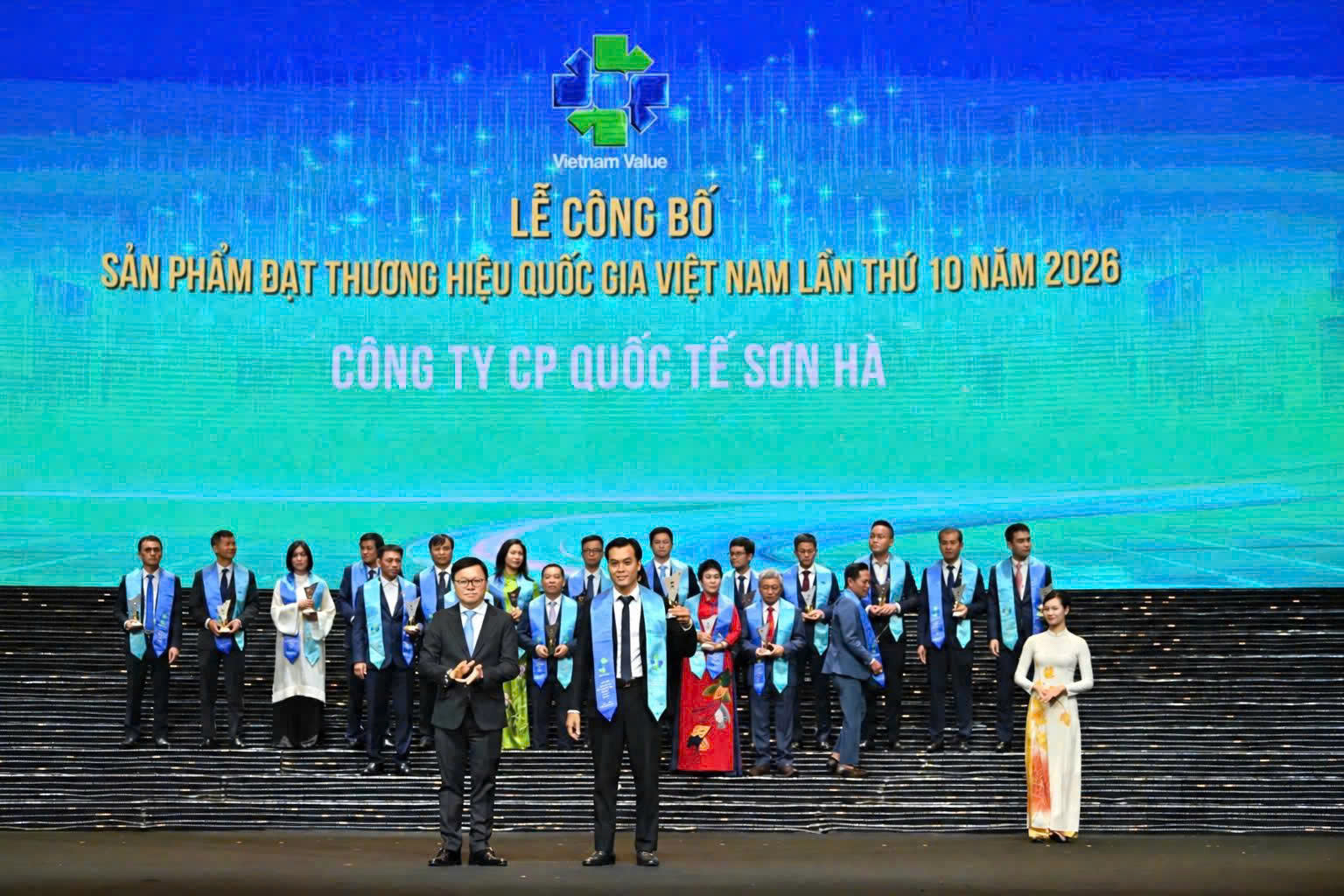
THƯƠNG HIỆU QUỐC GIA VIỆT NAM 2026 VINH DANH 5 SẢN PHẨM SƠN HÀ
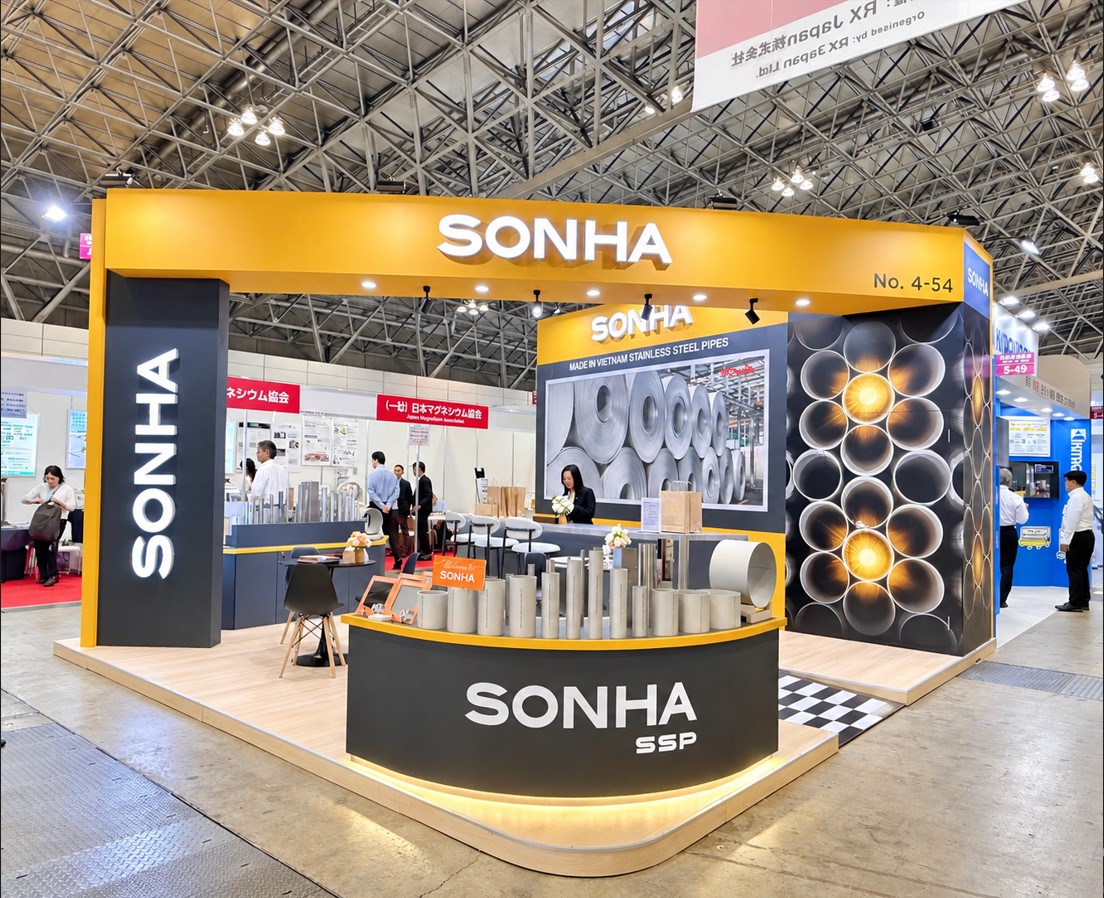
Looking back on SONHA SSP’s journey at highly-functional Material Week Tokyo 2026
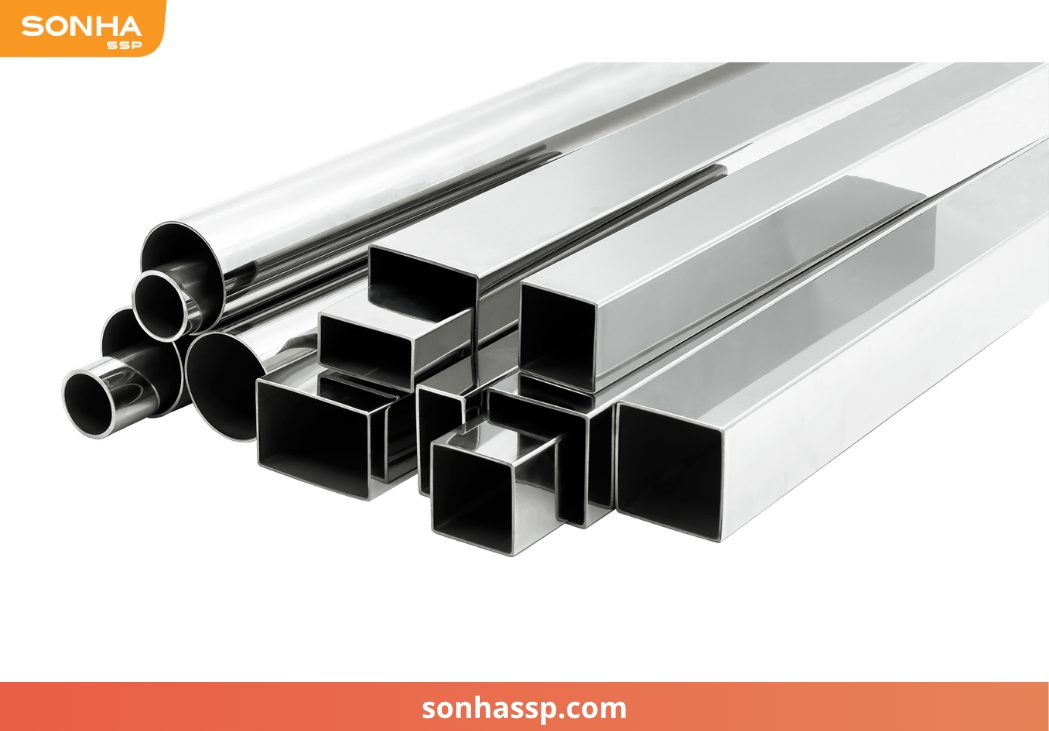
Detailed decorative stainless steel pipe size chart 2026