

Understanding the factors determining stainless steel pipe fabrication costs
Understanding the Factors Determining Stainless Steel Pipe Fabrication Costs
Mastering the factors that determine stainless steel pipe fabrication costs is crucial for controlling budgets and ensuring quality for all constructions and projects. Let’s explore the article below by Son Ha SSP to help you balance your budget and make the most optimal calculations!
1. Factors Affecting Stainless Steel Pipe Fabrication Costs
1.1. Stainless Steel Material
This is the factor with the greatest impact on input costs. Each type of stainless steel has a different alloy composition, leading to a significant variance in raw material prices:
-
201 Stainless Steel: The distinctive feature of this series is its high Nitrogen and Manganese content, while its Nickel content is reduced, which limits its corrosion resistance. 201 stainless steel is primarily suitable for indoor products in dry, well-ventilated areas with minimal exposure to moisture.
-
304 Stainless Steel: This is the most widely applied grade in the interior design and civil sectors, distinguished by its stable corrosion resistance, ease of fabrication, and high surface gloss. The price of 304 stainless steel sits in the mid-range segment of the market.
-
316 Stainless Steel: A high-end grade with superior corrosion resistance compared to the other two types, proving particularly effective in harsh conditions such as acid exposure or salty marine environments. In return, the cost of 316 stainless steel is significantly higher than that of 304.
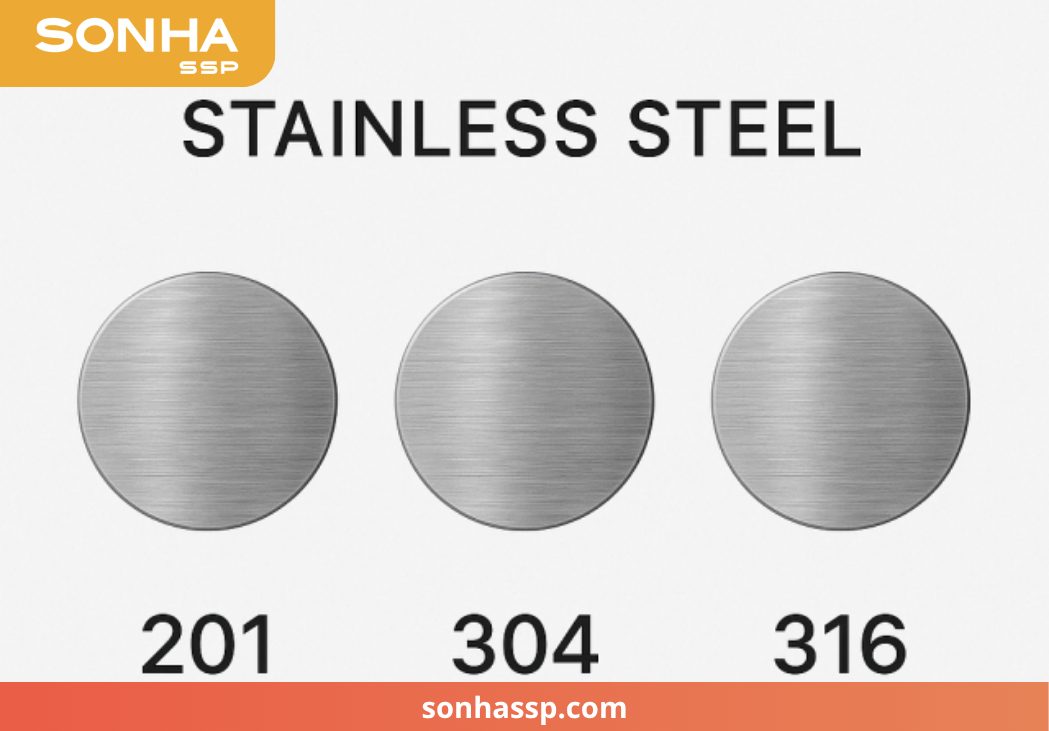
The raw stainless steel material heavily influences the fabrication costs of stainless steel pipes.
In addition, raw material prices also fluctuate according to the global metal market, particularly the price of nickel—an element that makes up a large proportion of 304 and 316 stainless steel. The nickel market can fluctuate by 20% – 30% within a year, directly affecting the fabrication costs of stainless steel pipes.
1.2. Size and Thickness of Stainless Steel Pipes
The size and thickness of the stainless steel pipes are also among the factors that significantly impact fabrication costs:
-
Regarding materials: Large-diameter and thick-walled pipes consume more metal; simply put, material costs are directly proportional to the weight of the pipe. A DN200 (8-inch) pipe can weigh 10 to 15 times more than a DN50 (2-inch) pipe of the same length.
-
Regarding fabrication: Large-sized pipes require specialized, high-capacity machinery, longer processing times, and more manpower to handle. For example, welding a DN200 pipeline takes significantly more time and argon gas compared to a DN25 pipe, which means labor and welding material costs increase accordingly.
-
Additionally: Thin-walled pipes are often more difficult to fabricate than thick-walled ones because they are prone to deformation during cutting, welding, and bending. This requires highly skilled technicians, which is ultimately reflected in the labor costs.
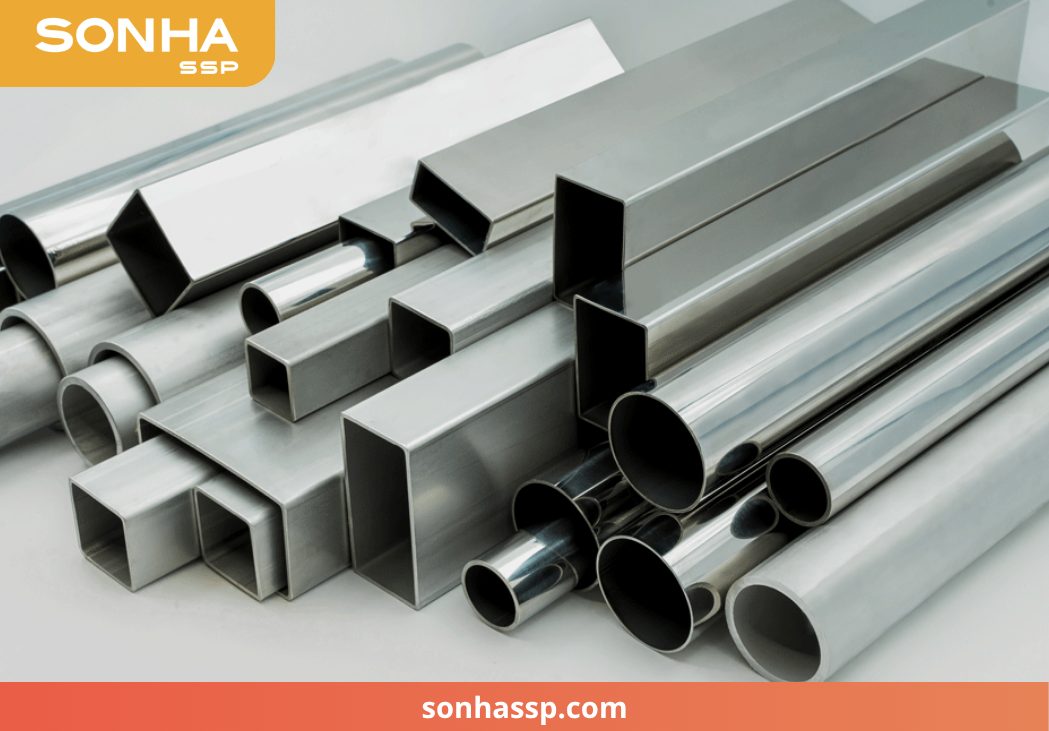
Stainless steel pipe dimensions and thickness
1.3. Complexity of Technical Drawings
A straight pipe section cut to a standard length typically incurs low fabrication costs. Meanwhile, technical drawings requiring more intricate details will drive up the fabrication costs of stainless steel pipes:
-
Multiple bending angles: Each bending point incurs mold setup costs and machine time. A pipe component with 5 different bending angles can cost 3 to 4 times more than a straight pipe of the same length.
-
Tight tolerances: Requiring a dimensional tolerance of ±0.1mm instead of ±1mm means utilizing high-precision CNC machines, conducting multiple inspections, and anticipating a higher scrap rate—all of which drive up costs.
-
Special shapes: Pipes with an elliptical cross-section, tapered pipes, or pipes with complex profiles according to CAD drawings require custom CNC programming, incurring additional engineering costs.
-
Joints and fittings: The greater the number of welds, flanges, elbows, tees, and valves in a pipe assembly, the higher the total assembly cost.
1.4. Stainless Steel Pipe Fabrication Methods
Depending on the fabrication method you choose, the final product will also have varying cost levels:
| Stainless steel pipe processing methods | Compare costs | |
| Cutting Methods | Mechanical saw cutting | Lowest cost, suitable for thick-walled pipes and large quantities. |
| Plasma cutting | Faster processing time, suitable for thick pipes; cut surfaces require secondary finishing. | |
| Laser cutting | High cost but highest precision. Requires no secondary finishing and saves material due to a thin cut line. | |
| Welding Methods | MIG welding | Fast processing time, lower cost, suitable for thick pipes and large production volumes. |
| Manual TIG welding | Slow processing time, higher labor costs, but provides aesthetically pleasing and highly robust welds. | |
| Automated TIG welding | High initial machinery investment but low cost per weld for high-volume production; ensures uniform quality. | |
| Bending Methods | Press brake bending | Low investment and fabrication costs, fast speed, suitable for simple bending angles. However, it is prone to leaving tooling marks and struggles with complex curved details. |
| CNC tube bending | High machinery and programming investment, but low cost per product for mass production. Offers absolute precision, capable of bending complex 3D shapes without pipe distortion, ensuring 100% uniform quality. | |
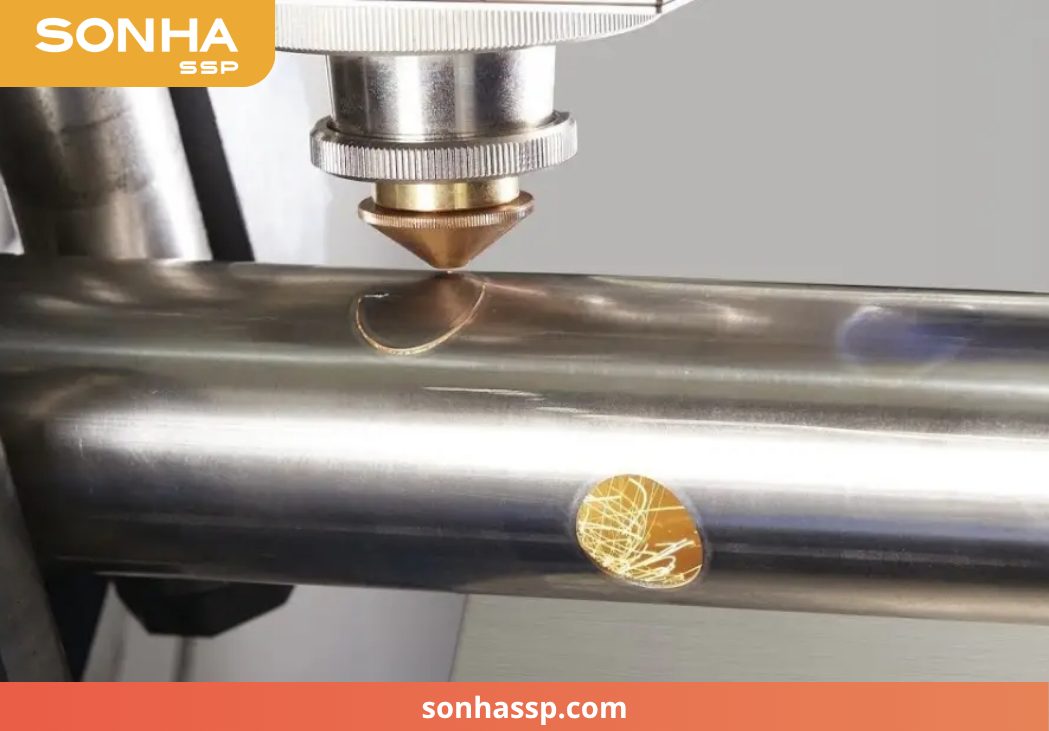
Laser cutting method for stainless steel pipes
In addition, after fabrication, the surface of the stainless steel pipes must be treated. Leaving it as-is or applying a brushed finish will incur lower costs, whereas mirror polishing consumes more labor and materials. Electropolishing is the most expensive method but yields the most flawless surface standard.
1.5. Order Quantity
Stainless steel pipe fabrication costs will be significantly reduced when the order quantity increases. This is the principle of economies of scale, which is clearly demonstrated in mechanical fabrication:
-
Allocation of fixed costs: CNC programming fees, jig and fixture design fees, and first-article inspection fees are fixed costs; the higher the production volume, the smaller the cost burden per product.
-
Production efficiency: Machinists performing the same repetitive tasks will work faster and make fewer errors, reducing the labor cost per unit.
-
Raw material prices: Purchasing materials in large quantities typically comes with a discount of 5–15% compared to retail buying.
In practice, the fabrication cost per meter of a 1,000-meter batch can be 30 – 50% lower than that of a 50-meter batch with the same technical specifications.
1.6. Inspection and Quality Certification Requirements
The required level of product quality inspection will also significantly impact the overall cost:
-
Standard inspection: The cheapest option, performed quickly visually or with measuring tools to immediately detect apparent surface defects.
-
Material certification (CO/CQ): Usually provided free of charge with the pipes. Extra costs are only incurred if the customer requests independent lab testing for the samples.
-
Penetrant Testing (PT): Moderately priced, requiring extra time and specialized spray materials. Suitable for detecting micro-cracks on the surface of critical welds.
-
Hydrostatic Testing (Hydro test): Uses a water pressure pump to check for leaks inside the pipe. Because this method is labor-intensive and time-consuming, it is usually billed separately as a package.
-
Ultrasonic Testing (UT): High cost, utilizing sound waves to inspect the inside of the weld seam; requires expensive equipment and certified engineers.
-
Radiographic Testing (RT / X-Ray): The most expensive option. Uses X-rays to scan the entire internal structure; this is a mandatory standard for highly demanding systems such as high-pressure pipelines, oil and gas, and chemicals.
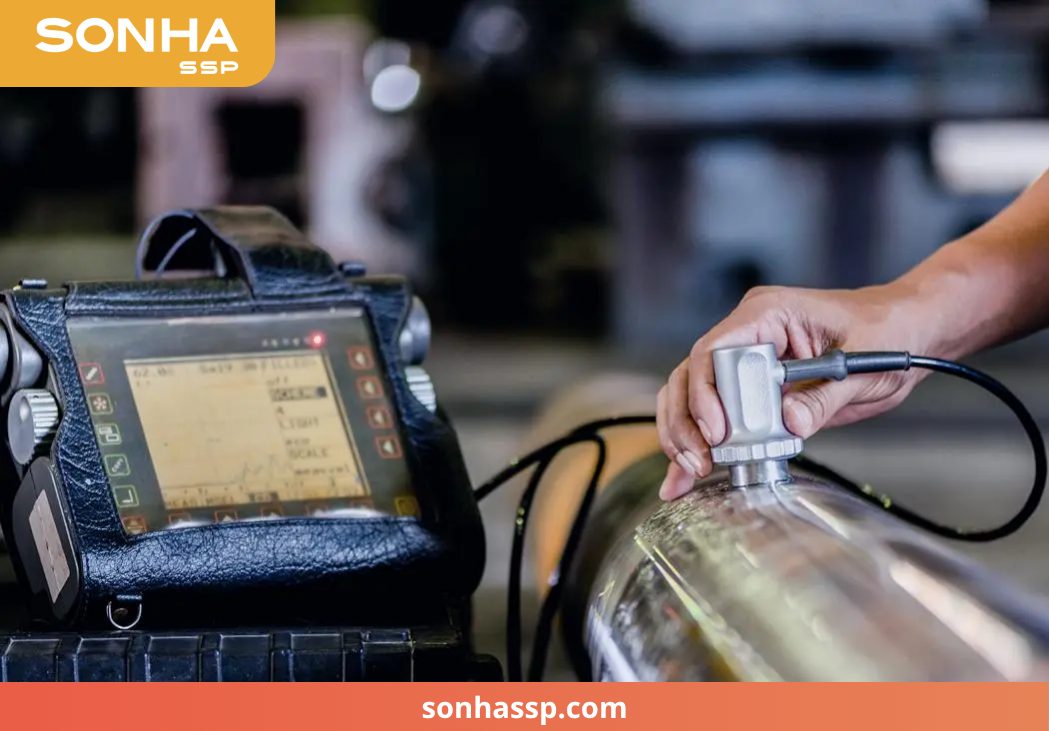
Ultrasonic testing is a relatively expensive method used after processing stainless steel pipes.
1.7. Delivery Time
Optimizing the order schedule helps save on labor, depreciation, and warehousing costs. This is an indirect key to reducing product prices and enhancing competitiveness.
-
Standard orders (4 – 8 weeks): The fabrication unit can schedule these into their normal production plan without incurring additional costs.
-
Urgent orders (1 – 2 weeks): Typically require overtime and priority insertion into the production schedule, resulting in a 15% – 30% surcharge.
-
Super-urgent orders (under 1 week): Can incur surcharges of up to 50% or more, while also increasing the risk of errors due to a lack of inspection time.
2. Ways to Optimize Stainless Steel Pipe Fabrication Costs
Besides the factors affecting stainless steel pipe fabrication costs mentioned above, here are practical solutions to help you optimize your budget:
-
Choose the right stainless steel material based on actual needs: It is not always necessary to use 316 stainless steel when 304 is sufficient. Carefully analyze the working environment, temperature, pressure, and chemical exposure to select a stainless steel grade that meets the standards; avoid using a higher material grade than necessary.
-
Standardize technical drawings: Designs should prioritize standard pipe sizes instead of custom dimensions. Standard-sized pipes are always kept in stock by manufacturers, shortening delivery times and reducing costs.
-
Consolidate orders and increase order quantities: Instead of placing multiple small batches, try to consolidate your project requirements into a larger single order. As analyzed, the cost per product drops significantly as the quantity increases.
-
Plan orders early: This is a simple measure but can save 15% – 30% in costs. Plan your procurement based on the project schedule, and do not wait until items are urgently needed to place an order.
-
Align inspection requirements: Apply an inspection level commensurate with the project’s actual requirements. For example, oil and gas inspection standards should not be applied to domestic water piping systems. Conversely, do not cut corners on inspection costs for safety-critical systems.
-
Work directly with the manufacturer: Purchasing stainless steel pipes directly from the manufacturer rather than going through multiple intermediaries helps save on raw material input costs while ensuring clear traceability and quality certification.
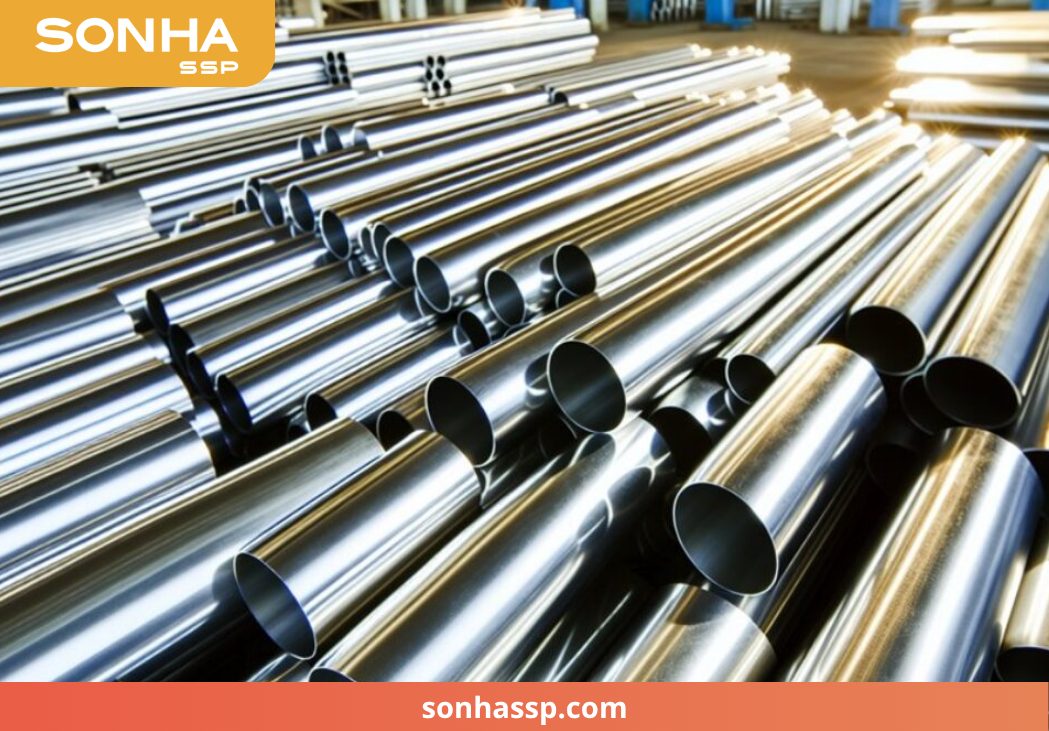
Ultrasonic testing is a relatively expensive method used after processing stainless steel pipes.
The fabrication cost of stainless steel pipes is a synthesis of multiple factors, ranging from material grades, dimensions, and drawing complexity to fabrication methods, order quantities, and inspection requirements. There is no single fixed price applicable to every scenario, which is why understanding the cost structure is so crucial.
By planning early, standardizing designs, selecting the correct stainless steel grade, and consolidating orders effectively, you can absolutely optimize stainless steel pipe fabrication costs by 20% – 40% without compromising product quality.
Furthermore, for expert advice and to purchase high-quality stainless steel pipes at competitive prices, contact Son Ha SSP immediately via our Hotline: (+84) 986434303 for prompt consultation and support.
>> RELATED ARTICLES
Top 3 most reputable welded stainless steel pipe manufacturers in Hanoi
A detailed guide to identifying 304 vs 316 stainless steel pipes
Next latest post

THƯƠNG HIỆU QUỐC GIA VIỆT NAM 2026 VINH DANH 5 SẢN PHẨM SƠN HÀ
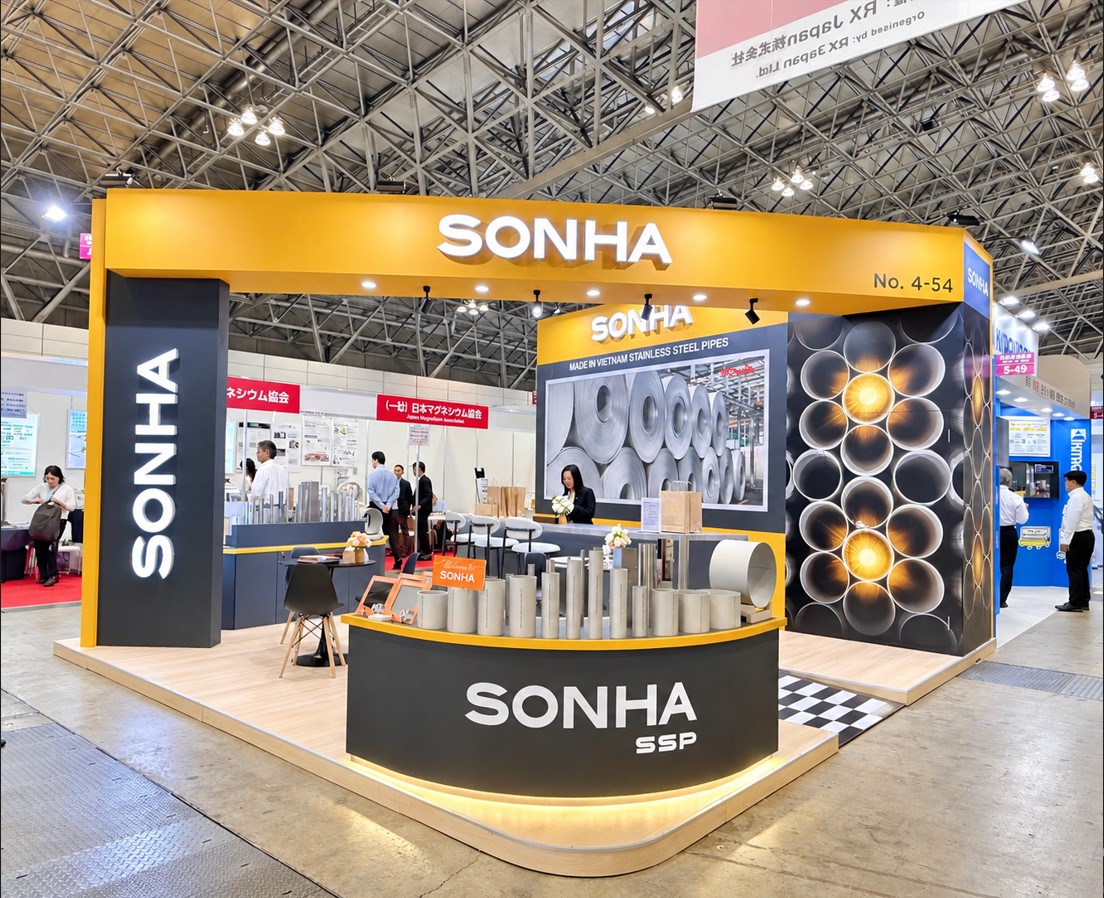
Looking back on SONHA SSP’s journey at highly-functional Material Week Tokyo 2026
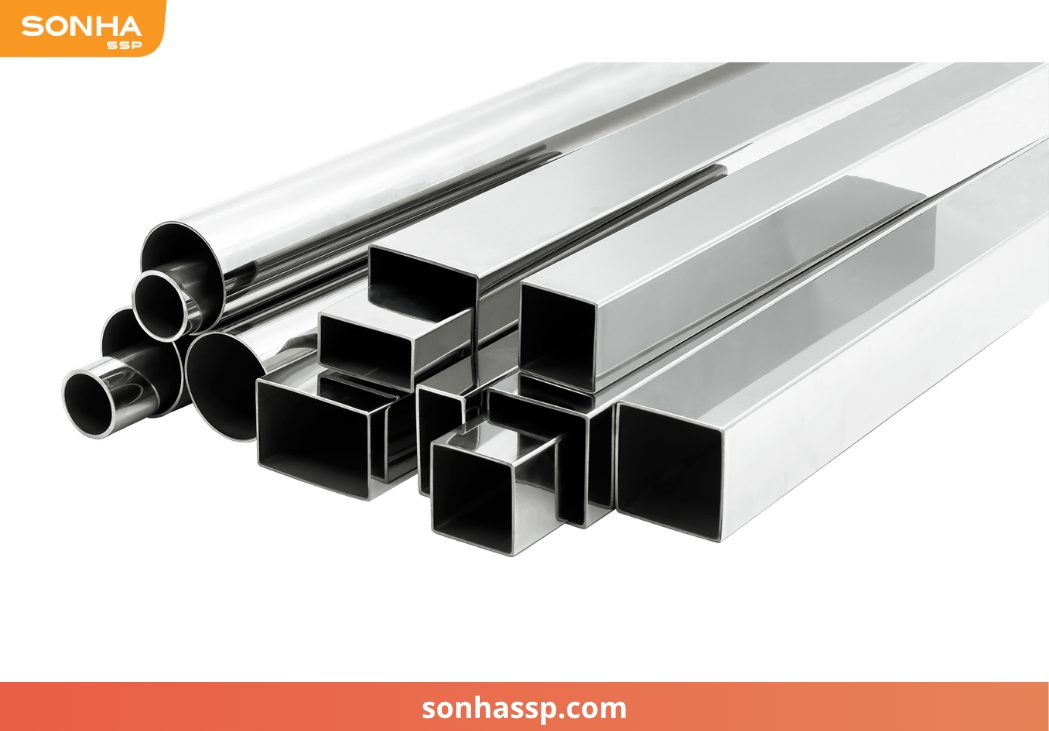
Detailed decorative stainless steel pipe size chart 2026