

A detailed guide to identifying 304 vs 316 stainless steel pipes
In today’s industrial materials market, 304 stainless steel pipes and 316 stainless steel pipes are the two most commonly used product lines, but they are also the most easily confused. So, how can you accurately identify 304 and 316 stainless steel pipes? In the article below, Son Ha SSP will share a complete guide to distinguishing between them, helping you avoid the risk of purchasing the wrong product and optimize investment costs for your project.
1. Distinguishing the Differences Between 304 and 316 Stainless Steel Pipes
Both 304 stainless steel pipes and 316 stainless steel pipes belong to the Austenitic stainless steel family and are widely manufactured and used in Vietnam as well as around the world. Confusing these two types of stainless steel pipes can not only lead to financial losses but also pose risks in applications that require high technical standards, such as food processing, pharmaceuticals, and coastal construction projects.
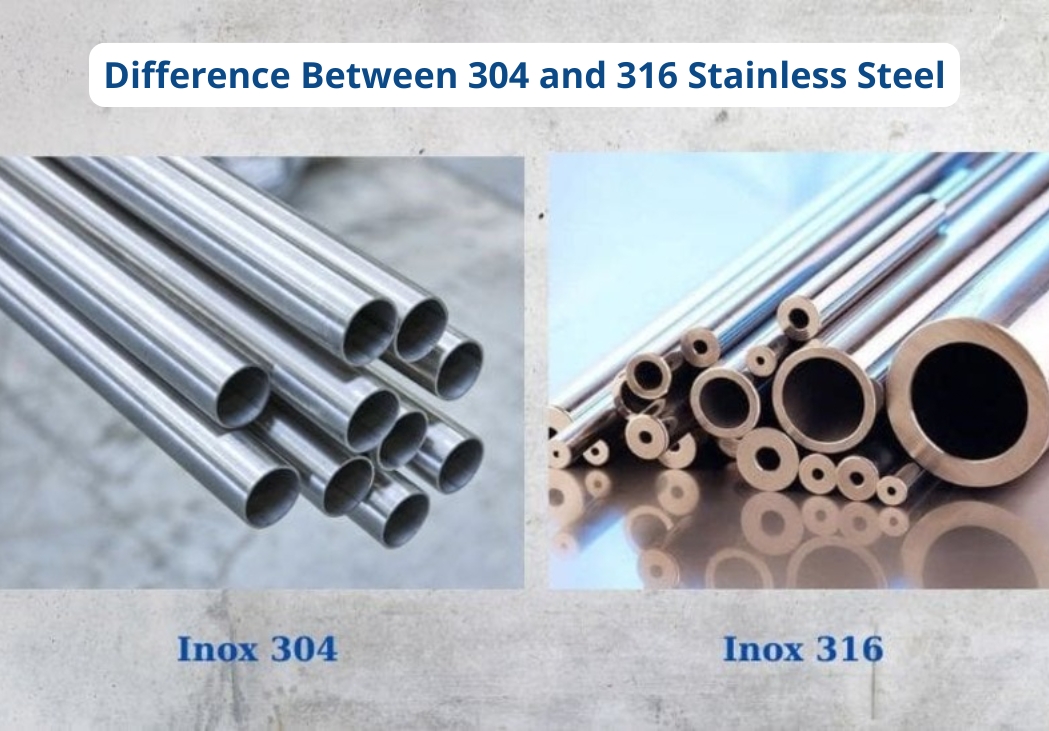
Difference Between 304 and 316 Stainless Steel
To properly understand how to identify 304 and 316 stainless steel pipes, it is first necessary to understand what makes them different. The answer lies in their chemical composition, specifically the presence of molybdenum (Mo) in 316 stainless steel.
| Composition | 304 Stainless Steel | 316 Stainless Steel |
| Chromium (Cr) | 18–20% | 16 – 18% |
| Niken (Ni) | 8 – 10.5% | 10 – 14% |
| Molypden (Mo) | None | 2 – 3% |
| Carbon (C) | ≤ 0.08% | ≤ 0.08% |
| Mangan (Mn) | ≤ 2% | ≤ 2% |
Molybdenum is the key differentiating factor. This element significantly enhances resistance to pitting corrosion in chloride-containing environments — an extremely dangerous type of corrosion because it occurs silently from within and is often detected very late. This is also why 316 stainless steel pipes are the top choice for coastal projects, chemical plants, and medical equipment.
2. Methods for Identifying 304 and 316 Stainless Steel Pipes
2.1 Visual Surface Inspection
When viewed with the naked eye, 304 and 316 stainless steel pipes are almost impossible to distinguish. However, under natural white light, 316 stainless steel pipes may sometimes appear shinier and have a slightly bluish tint compared with the traditional silvery-white appearance of 304 stainless steel pipes, due to the higher nickel content in 316 stainless steel. This is only a relative observation based on experience and should not be used as the sole basis for determining the steel grade.
2.2 Reading the Steel Grade Marking on the Stainless Steel Pipe Body
Reputable manufacturers typically stamp or print the steel grade directly on the pipe body according to Japanese (JIS) or American (ASTM) standards. 304 stainless steel pipes are marked as SUS 304 or AISI 304, while 316 stainless steel pipes are marked as SUS 316 or AISI 316.
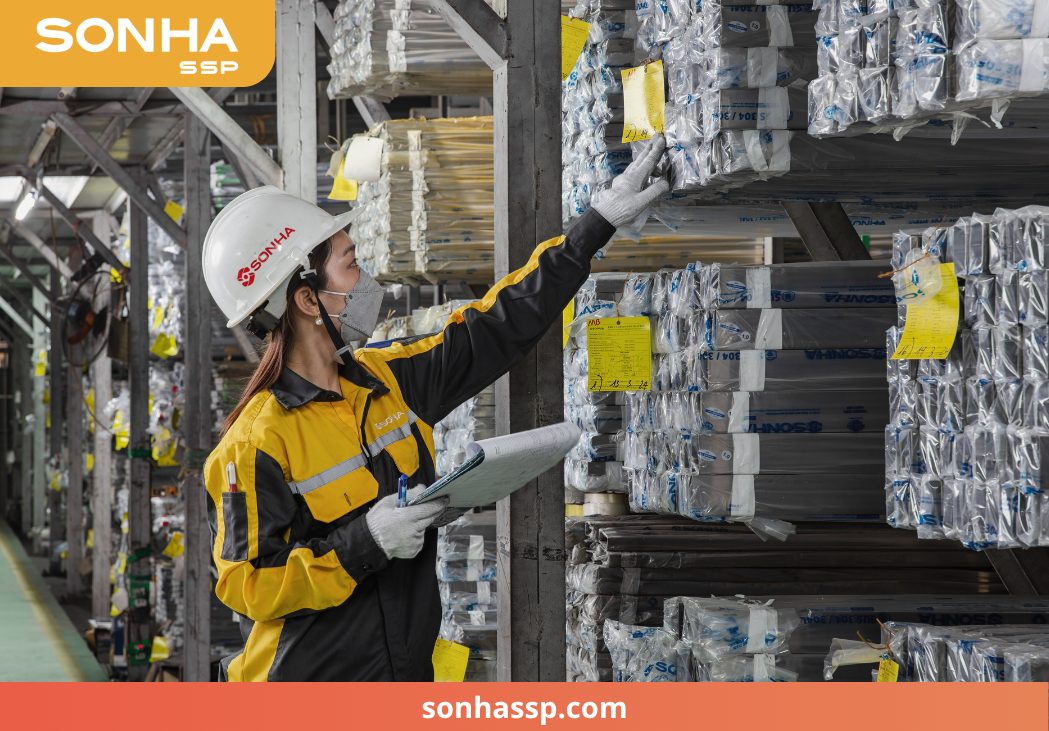
Check the Steel Grade Marking on the Stainless Steel Pipe
A notable variant of 316 stainless steel is 316L stainless steel. This is the low-carbon version of 316 stainless steel and offers better corrosion resistance at welded areas by limiting carbon precipitation in the heat-affected zone. However, for unbranded products or materials of unclear origin, the markings may be counterfeit or entirely absent. In such cases, further practical testing should be carried out as outlined below.
2.3 XRF Analysis – The Gold Standard in Material Verification
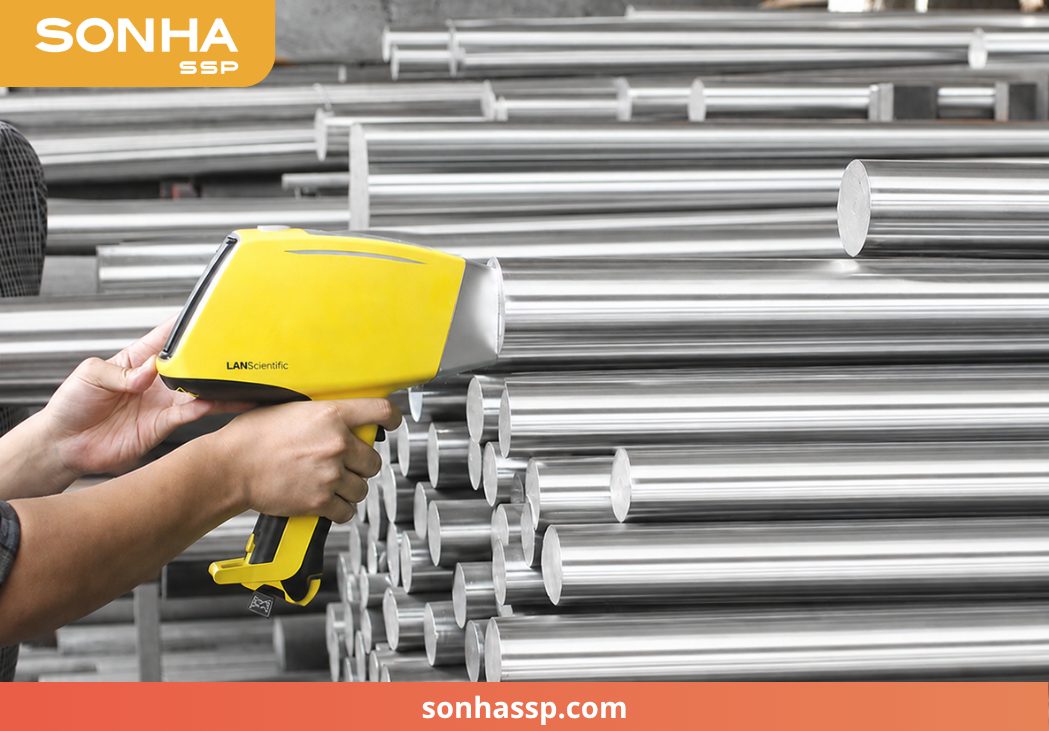
Using a Handheld XRF Analyzer to Identify and Differentiate 304 and 316 Stainless Steel Pipes
The handheld XRF analyzer projects X-rays onto the metal surface and reads the emitted spectrum to accurately determine the content of each element, including Cr, Ni, Mo, and dozens of other elements, within just a few seconds without destroying the sample or requiring chemical treatment.
The cost of owning an XRF analyzer is quite high, usually ranging from VND 200 million to VND 500 million. Therefore, this method is more practical when using third-party inspection services or working with professional industrial material suppliers that are already equipped with this device.
2.4 Salt Spray Test – A Laboratory Standard
Testing stainless steel pipes in a salt environment is a standardized inspection method used to evaluate corrosion resistance under harsh conditions. Samples of 304 and 316 stainless steel pipes are placed in a chamber that continuously sprays a 5% NaCl salt solution for 48 to 96 hours.
The results usually show that 316 stainless steel has almost no signs of corrosion, while 304 stainless steel may develop small rust spots after prolonged exposure. This method is more suitable for formal laboratory testing than for quick on-site inspection.
3. Should You Choose 304 or 316 Stainless Steel Pipes to Optimize Cost and Durability?
Choosing between 304 and 316 stainless steel pipes is not simply about selecting the “better” material, but about choosing the “most suitable” option based on the project’s environmental conditions and budget.
3.1 When Should You Prioritize 316 Stainless Steel Pipes?
316 stainless steel pipes are a long-term investment for highly corrosive environments. You should prioritize this pipe grade in the following cases:
- Food and pharmaceutical industries: Producing liquid storage tanks, food processing equipment, medical devices, and surgical instruments. 316 stainless steel ensures absolute hygiene and safety and does not chemically react with mildly acidic substances in food.
- Coastal and offshore environments: Pier railings, outdoor steel structures in coastal provinces, and piping systems on ships and boats. 316 stainless steel can withstand salt mist and chlorides without developing pitting corrosion over time.
- Chemical industrial piping systems: Pipelines for diluted acids, chloride solutions, seawater, or industrial cleaning chemicals. The molybdenum content in 316 stainless steel pipes helps resist internal corrosion, minimizing the risk of leakage and premature failure.
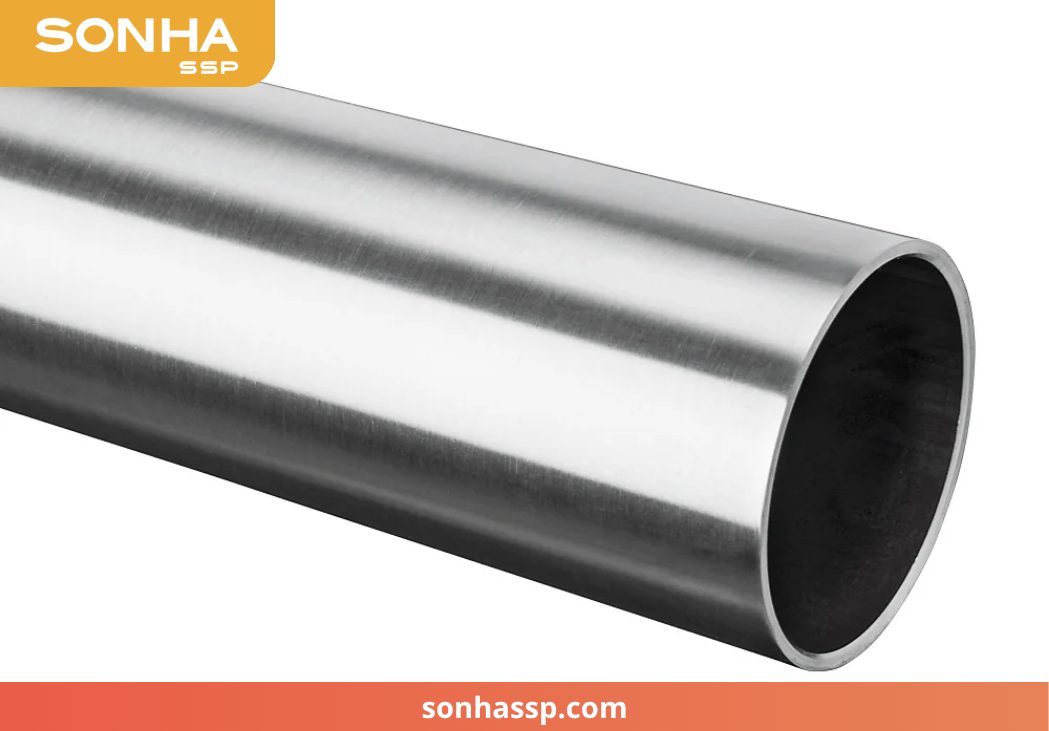
316 Stainless Steel Pipes Are Recommended for Highly Corrosive Environments
3.2 When Should You Choose 304 Stainless Steel Pipes?
304 stainless steel pipes are the optimal choice for projects that require a balance between cost and performance in environments that are not overly harsh: Interior decoration and architecture: Stair railings, glass partition frames, and stainless steel doors installed indoors or in covered areas, away from direct exposure to salty environments. Kitchen and household equipment: Kitchen sinks, kitchen racks, stainless steel trash bins, and everyday household items used in dry environments without exposure to industrial chemicals. Residential water supply and drainage systems: Clean water pipes and domestic water storage tanks in buildings and residential areas that are not affected by saltwater. Light industrial components: Equipment support frames, machine casings, and structural parts inside factories with normal working environments.
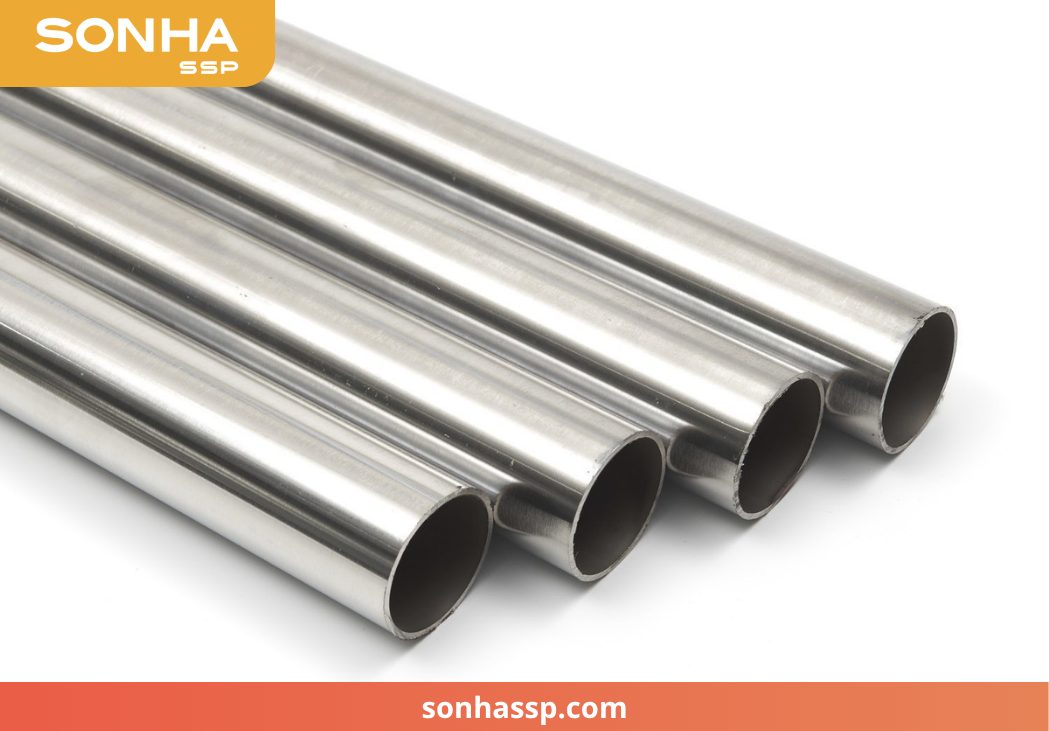
304 stainless steel pipes are suitable for installation in environments that are not too harsh
Mastering how to distinguish between 304 and 316 stainless steel pipes is essential for anyone working in construction, industry, or technical materials. Ultimately, the most important thing is to choose the right material for the right operating environment, as the cost difference between 304 and 316 stainless steel pipes is negligible compared to the damages incurred from using the wrong type of stainless steel in long-term projects.
If you are looking for a reputable and high-quality stainless steel pipe supplier with full certification documents, contact Son Ha SSP right away via Hotline: (+84) 986434303 for the fastest consultation!
>> RELATED ARTICLES
Explore the applications of 304 stainless steel pipes in Industry
The difference between industrial stainless steel pipes and decorative stainless steel pipes
Next latest post

THƯƠNG HIỆU QUỐC GIA VIỆT NAM 2026 VINH DANH 5 SẢN PHẨM SƠN HÀ
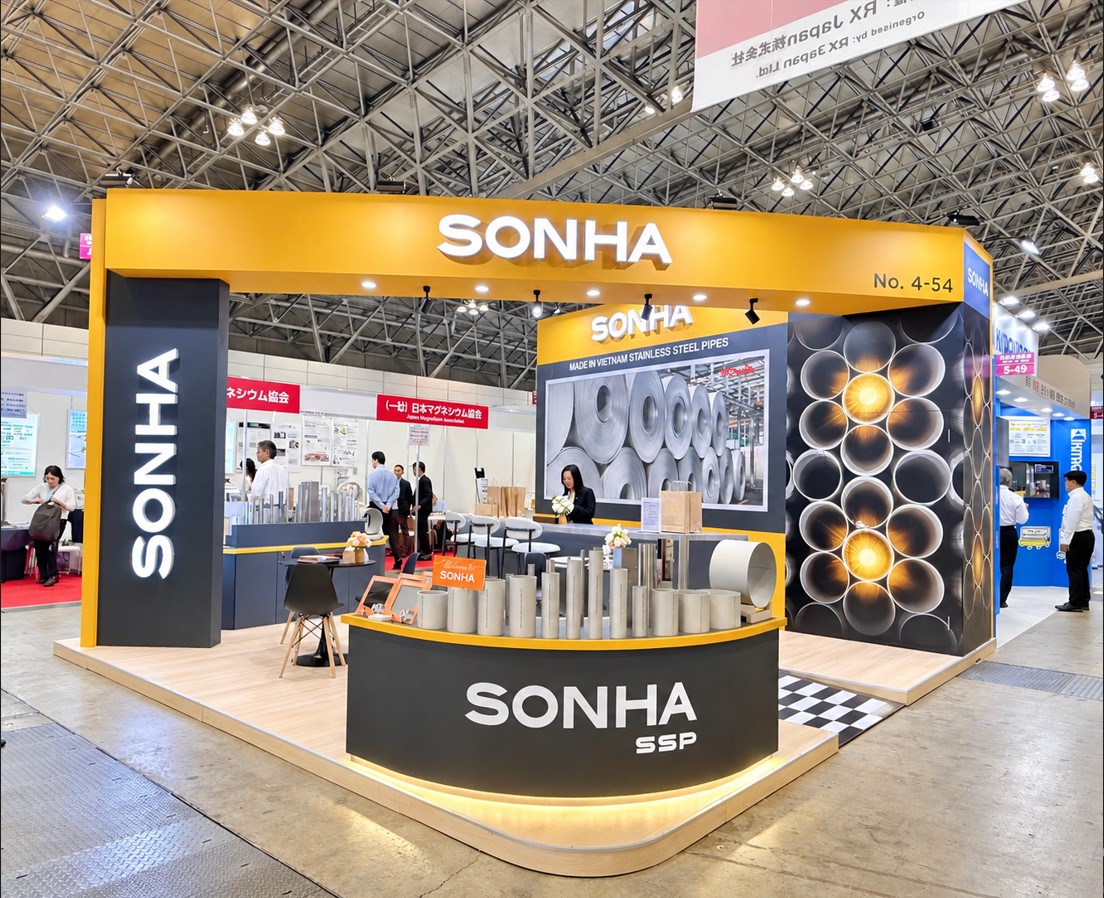
Looking back on SONHA SSP’s journey at highly-functional Material Week Tokyo 2026
Detailed decorative stainless steel pipe size chart 2026