

Stainless steel welded pipe classification: A comprehensive guide to making the right choice from the start
Stainless steel welded pipes are a staple material in both residential and industrial sectors, thanks to their high durability, excellent corrosion resistance, and versatile applications. However, the wide variety of types available on today’s market can make selection quite challenging. Clearly understanding how these pipes are classified will help you identify the right product for your specific needs, thereby optimizing costs and ensuring long-term performance.
1. Classification of Stainless Steel Welded Pipes by Steel Grade
The most common way to classify stainless steel welded pipes is by their steel grade. Put simply, a stainless steel grade is a classification based on the material’s chemical composition (the ratio of Nickel, Chromium, Molybdenum, etc.) and its mechanical properties. Each grade offers a different level of rust resistance, durability, and suitability for specific environments.
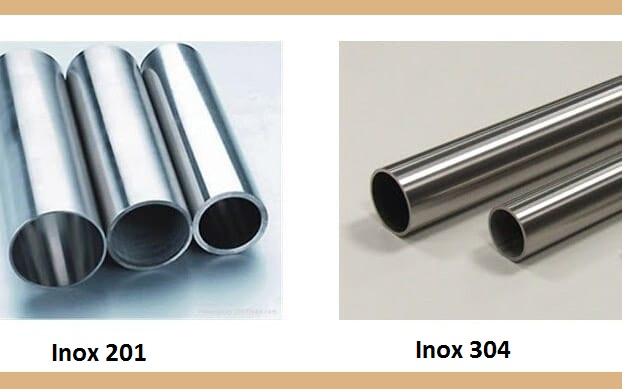
Classification of welded stainless steel pipes 304 and 201
Currently, stainless steel welded pipes on the market are most commonly divided into three main categories:
- 201 Stainless Steel Welded Pipe: This is a low-cost material option, suitable for projects that do not require high corrosion resistance. However, in humid environments or those with mild chemical exposure, 201 stainless steel may oxidize after a period of use.
- 304 Stainless Steel Welded Pipe: This is the most widely used material today, thanks to its excellent corrosion resistance and stable durability.
- 316 Stainless Steel Welded Pipe: With the addition of Molybdenum in its composition, 316 stainless steel can perform durably in harsh conditions such as coastal areas, chemical plants, or specialized industries. Consequently, the cost of this type is significantly higher than that of 201 and 304.
Beyond these three common grades, welded pipes are also manufactured from various other materials such as 430, 410, 321, or 904L. These grades are typically utilized in niche applications requiring specific characteristics like high heat resistance, magnetism, or exceptional anti-corrosion properties. While less common in civil construction, they play a vital role in specialized heavy industries.
2. Classification by Shape
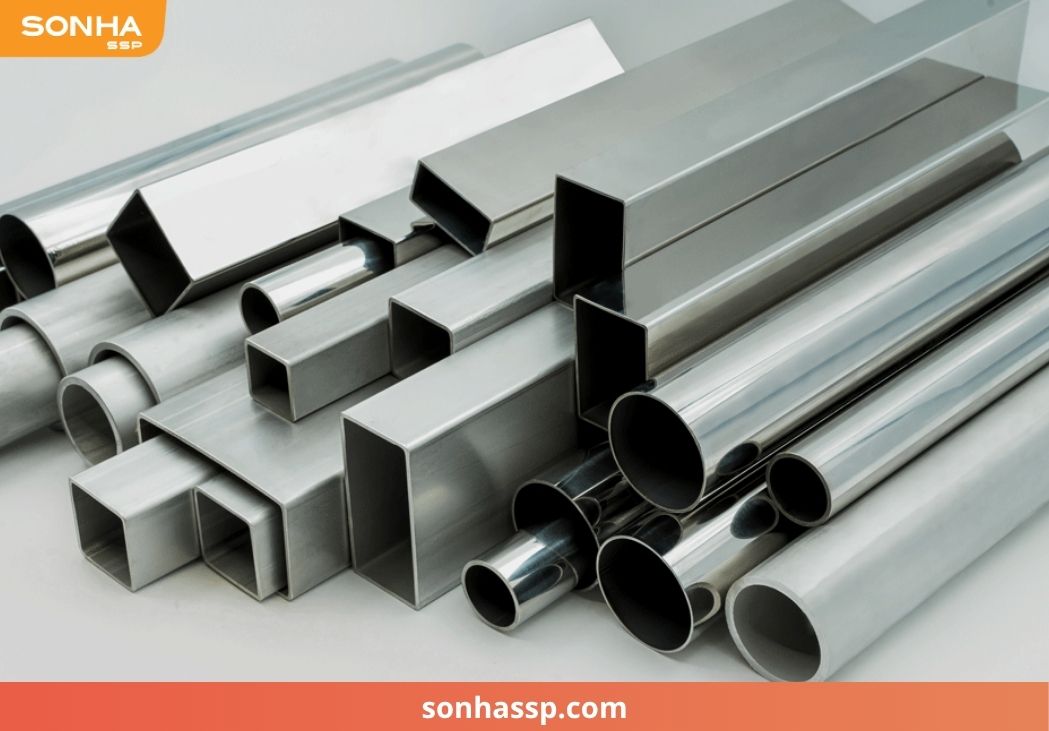
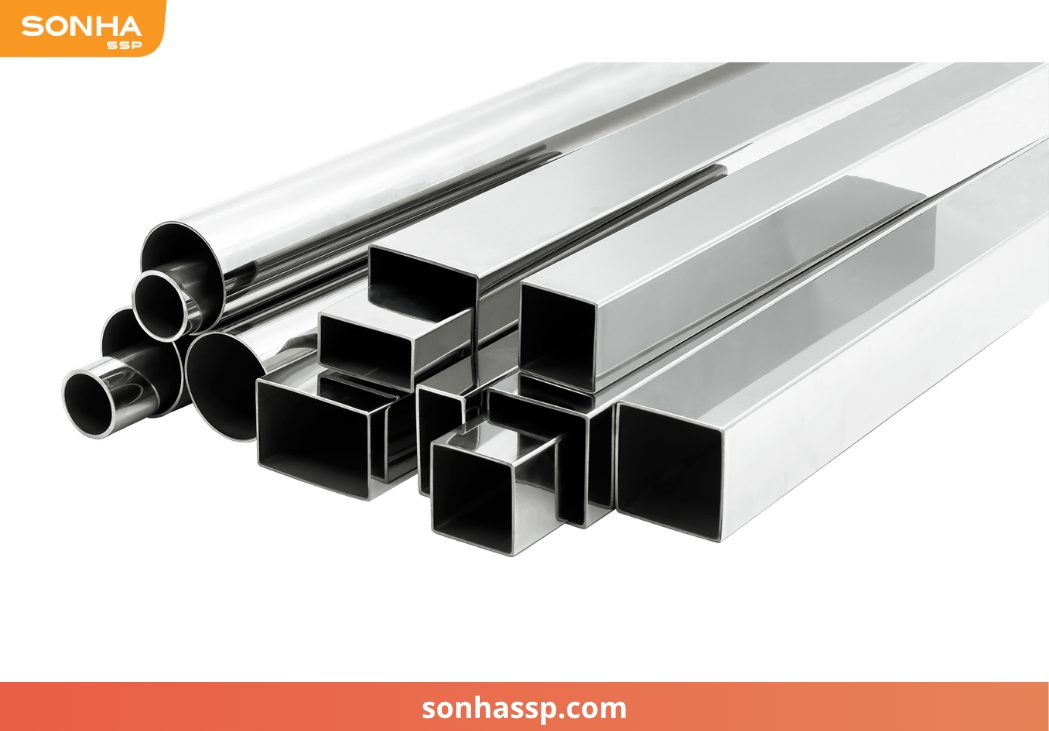
In addition to steel grades, stainless steel welded pipes are classified based on their cross-sectional shape, including:
- Round pipes
- Square tubes
- Rectangular tubes
Producing these diverse shapes meets various practical requirements, from load-bearing capacity and structural optimization to aesthetics and design. Each shape is suited for specific purposes, providing users with greater flexibility during the selection process.
3. Classification by Surface Finish
Beyond material and shape, these pipes are also categorized by their surface finish—a factor that directly determines both aesthetic appeal and durability during use. Common finishes include:
- Polished/Bright Finishes (e.g., BA or HL): Often selected for projects requiring high aesthetics. The bright surface enhances a modern look and is easy to clean.
- Matte/Dull Finishes (e.g., 2B or No.1): More suitable for industrial environments. These surfaces are less likely to show scratches and maintain a stable condition under harsh working conditions.

A compilation of stainless steel surface finishes.
Selecting the right surface finish will help the product maintain its functional and aesthetic value over the long term.
4. Classification by Purpose of Use
Another way to classify stainless steel welded pipes is by their intended use. These pipes are generally divided into two main groups: decorative stainless steel welded pipes and industrial stainless steel welded pipes.
Decorative stainless steel welded pipes are primarily used for items such as railings, staircases, furniture, or details requiring high aesthetic appeal. This type typically prioritizes polished surfaces, is easy to fabricate, and can use either 201 or 304 stainless steel depending on environmental conditions.
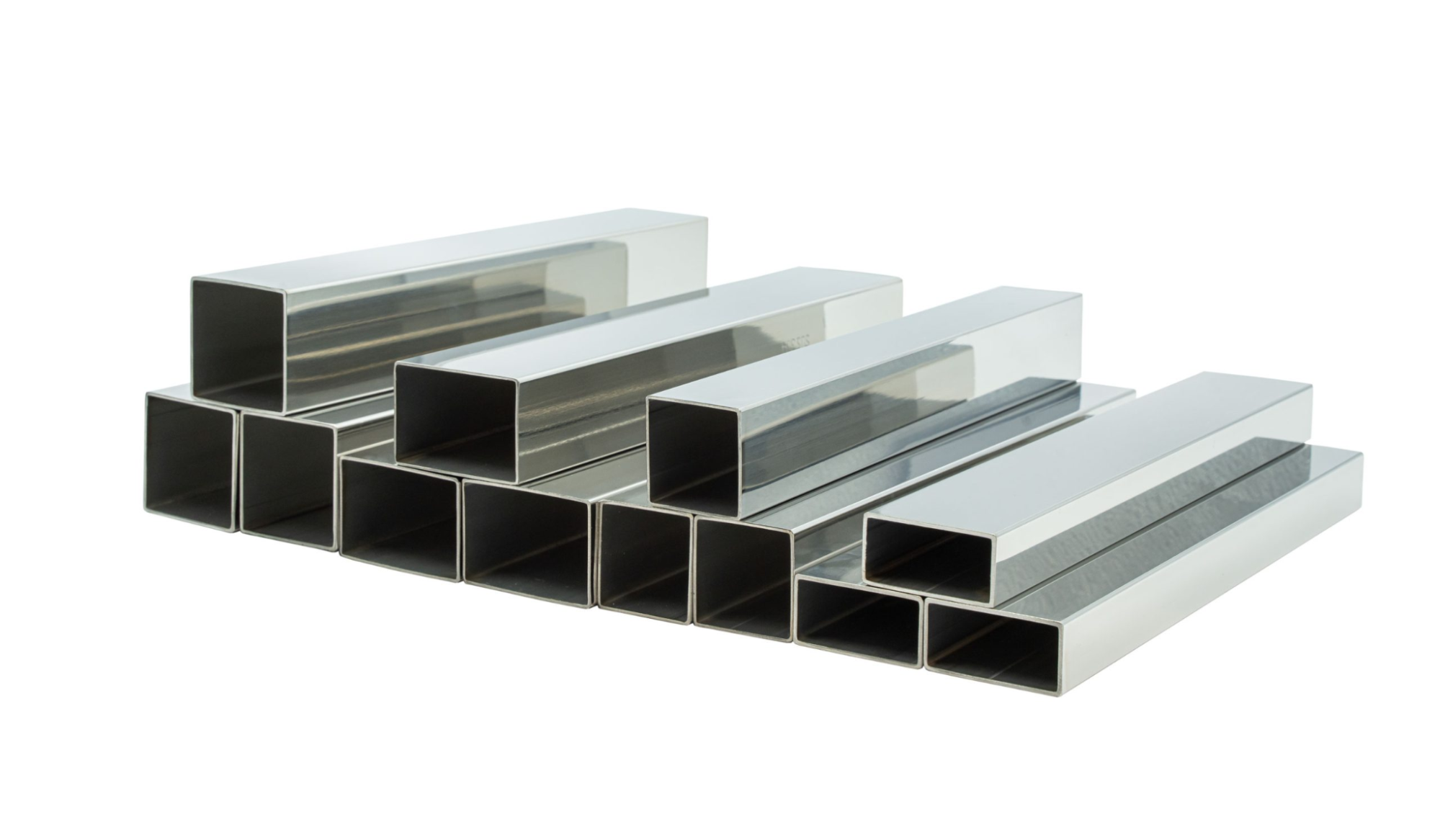
Decorative welded pipes have a beautiful, shiny surface.
Meanwhile, industrial stainless steel welded pipes are utilized in systems requiring higher durability, load-bearing capacity, and corrosion resistance. Within this group, 304 stainless steel is commonly used, while 316 stainless steel is more suitable for highly corrosive environments, such as chemical processing plants or coastal areas.
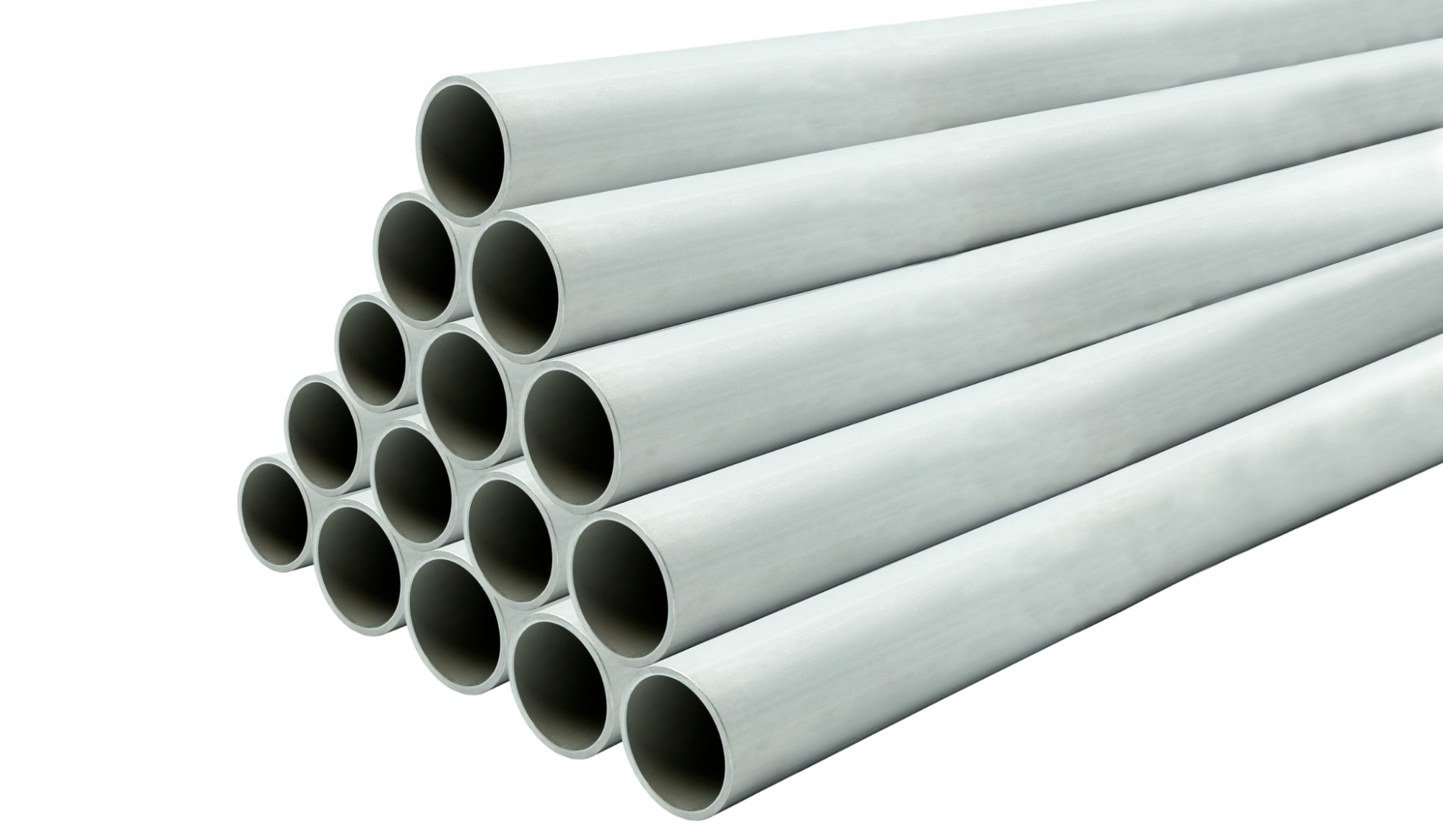
Industrial welded stainless steel pipes have a rough surface but high durability.
5. How to Choose the Right Stainless Steel Welded Pipe for Your Needs
Selecting the right stainless steel welded pipe should not be based on price alone; it requires a comprehensive assessment of factors such as the operating environment, intended use, and technical requirements.
First and foremost, the operating environment is the deciding factor for the material grade. For indoor environments or those with minimal exposure to moisture, 201 stainless steel can perform well. However, for outdoor or high-humidity environments, 304 stainless steel will ensure better durability. In specialized conditions, such as coastal areas or chemical exposure, 316 stainless steel is the appropriate choice.
In addition, the shape and thickness of the pipe must be considered based on its intended use. Load-bearing applications should prioritize pipes with greater wall thickness and structural integrity, whereas decorative applications allow for more flexibility.
Finally, aesthetic factors play a crucial role in many projects. Choosing the correct surface finish will help the product maintain a consistent appearance over time, preventing degradation or loss of aesthetic appeal.
In conclusion, classifying stainless steel welded pipes involves more than just identifying materials; it is a process of evaluating a variety of factors—from steel grade and shape to surface finish and purpose of use. By clearly understanding these criteria, users can select the most suitable product, ensuring long-term performance and optimizing investment costs.
Next latest post

THƯƠNG HIỆU QUỐC GIA VIỆT NAM 2026 VINH DANH 5 SẢN PHẨM SƠN HÀ
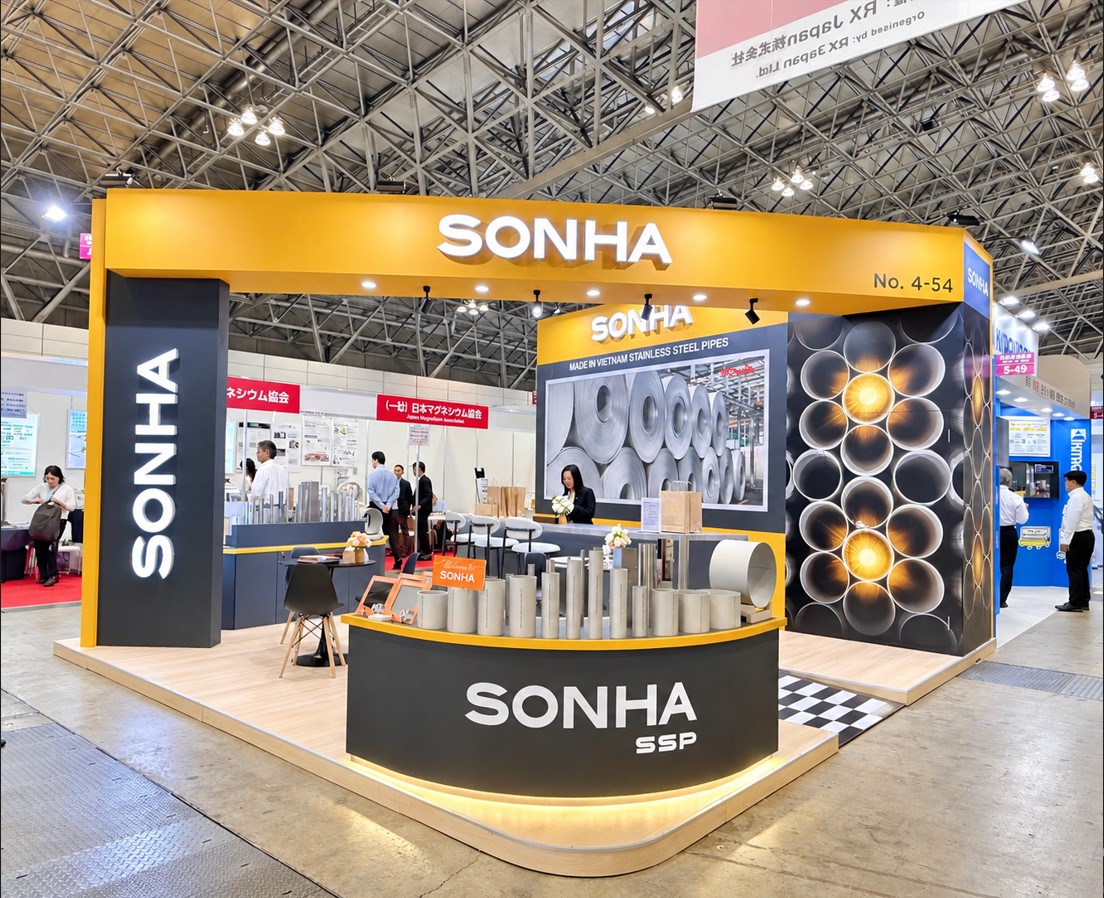
Looking back on SONHA SSP’s journey at highly-functional Material Week Tokyo 2026
Detailed decorative stainless steel pipe size chart 2026