

Where Is Stainless Steel 304 Pipe Used?
This is a question that many individuals, businesses, and investors are concerned with when selecting materials for construction projects or production lines. Thanks to its excellent corrosion resistance, high durability, and flexible application, stainless steel 304 pipes are increasingly used across a wide range of industries. The article below will help you clearly understand what stainless steel 304 pipes are and why they are so widely applied in various fields.
1. What Is Stainless Steel 304 Pipe?
Stainless steel 304 pipe (also known as inox 304 pipe) is manufactured from SUS 304 stainless steel grade. This is an iron-based alloy combined with key alloying elements such as chromium (Cr) at 17.5%–20%, nickel (Ni) at 8%–11%, and a low carbon content of approximately 0.08%.
Stainless steel 304 belongs to the austenitic stainless steel group, characterized by very low magnetism, lower thermal and electrical conductivity compared to carbon steel, but superior resistance to corrosion and oxidation.
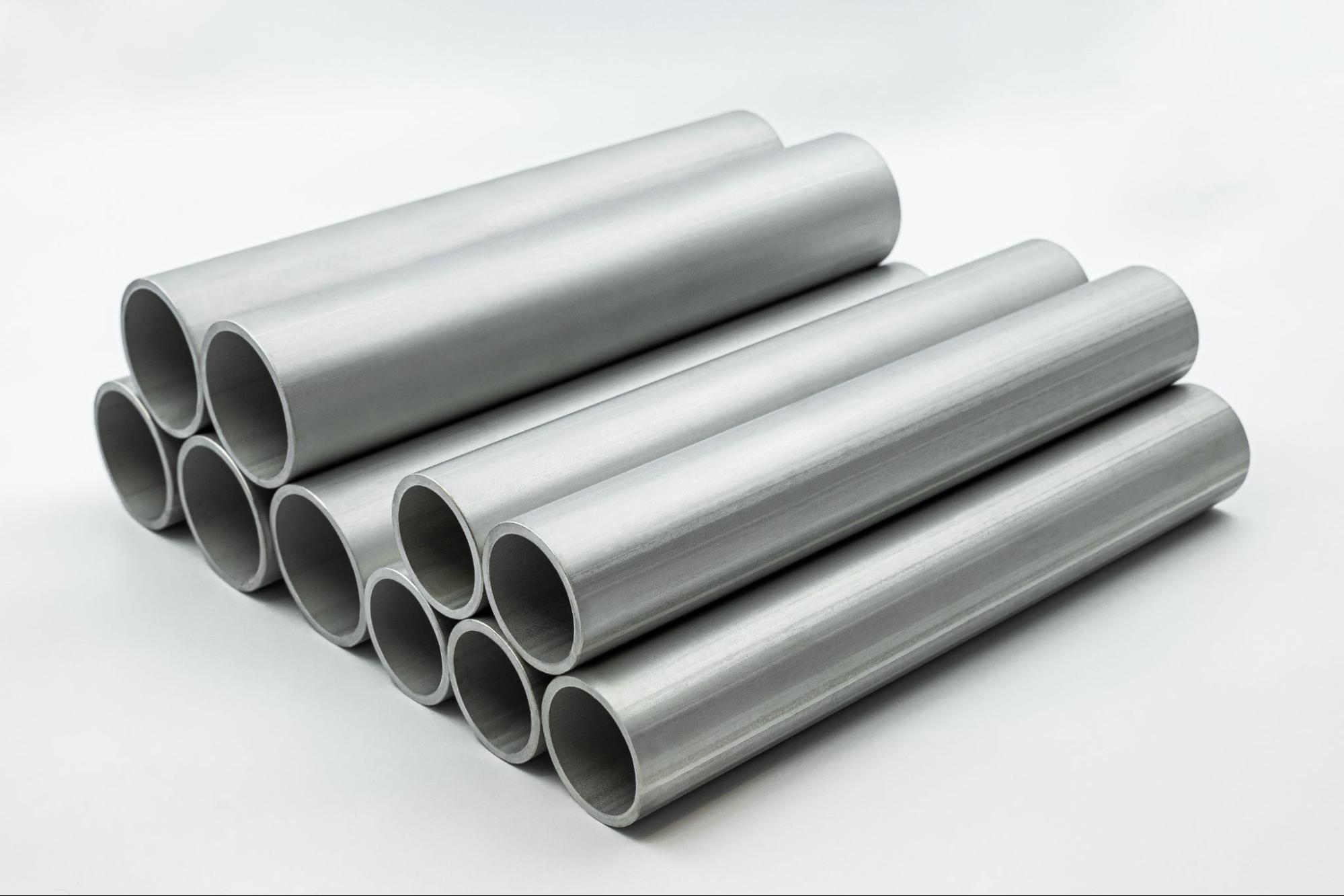
What Is Stainless Steel 304 Pipe?
Thanks to its stable alloy structure, stainless steel 304 pipes offer high mechanical strength, are easy to fabricate, weld, and form, and do not cause contamination, ensuring safety for human health. For these reasons, this type of pipe is widely used in many fields such as food and beverage processing, construction, industrial manufacturing, healthcare, and residential applications—meeting technical requirements as well as hygiene and aesthetic standards.
2. Why Are Stainless Steel 304 Pipes So Widely Used?
It is no coincidence that many people search for the question, “Where are stainless steel 304 pipes used?” The popularity of this material comes from the following outstanding advantages:
- Effective corrosion resistance: Stainless steel 304 pipes have a high chromium content, which forms a passive protective oxide layer on the surface. This layer can self-repair when lightly scratched, allowing stainless steel 304 to resist rust effectively in air, clean water, humid environments, and many mild chemical conditions. As a result, the product maintains durability and a stable appearance over long periods.
- High mechanical strength and long service life: Stainless steel 304 pipes are tough and mechanically strong, capable of withstanding impact and pressure during operation. Compared to many other materials, stainless steel 304 is less prone to cracking or deformation, helping extend the lifespan of structures and reduce the risk of damage during use.
- Health-safe and non-contaminating: Stainless steel 304 does not react with drinking water or food and does not release harmful substances during use. Therefore, it is widely used in the food, beverage, medical, and pharmaceutical industries, where strict hygiene and quality standards are required.
- Easy fabrication and installation: Another notable advantage of stainless steel 304 pipes is their excellent workability. The material is easy to cut, weld, bend, and polish without compromising its structural integrity. This makes stainless steel 304 suitable for both large-scale industrial production and construction or decorative applications.
- High aesthetic value:The surface of stainless steel 304 pipes can be finished in bright, brushed (matte), or mirror-polished styles, giving a modern and clean appearance. This allows the product to not only fulfill functional requirements but also enhance the aesthetic value of projects—especially in interior and exterior design.
3. Where Are Stainless Steel 304 Pipes Used?
3.1. In the Food & Beverage Industry
One of the most important application areas for stainless steel 304 pipes is the food and beverage industry, where strict hygiene and safety requirements apply. These pipes are commonly used in piping systems for water, milk, beer, wine, and soft drinks, as well as in food processing plants and production lines.
Thanks to their smooth surfaces, resistance to residue buildup, and non-reactivity with food, stainless steel 304 pipes help limit bacterial growth, are easy to clean, and do not alter the taste or quality of products—fully meeting current food safety standards.
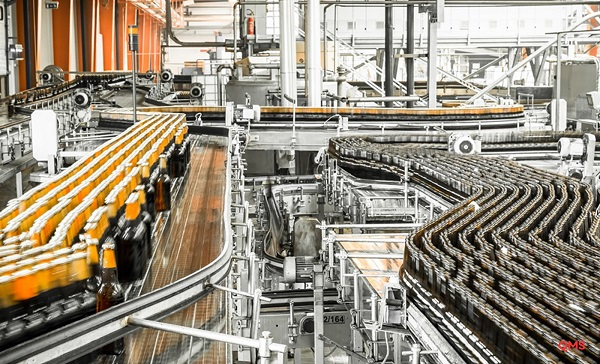
A beverage production line made from premium stainless steel.
3.2. In Construction & Interior–Exterior Decoration
In the construction sector, stainless steel 304 pipes are widely used thanks to their high durability and aesthetic appeal, including applications such as:
- Railings and stair handrails.
- Fences, balconies, and stainless steel gates.
- Decorative stainless steel pipes for houses, shopping malls, and hotels.
With good corrosion resistance in typical environments, stainless steel 304 is suitable for both indoor and outdoor spaces, helping structures maintain their appearance and durability over time.
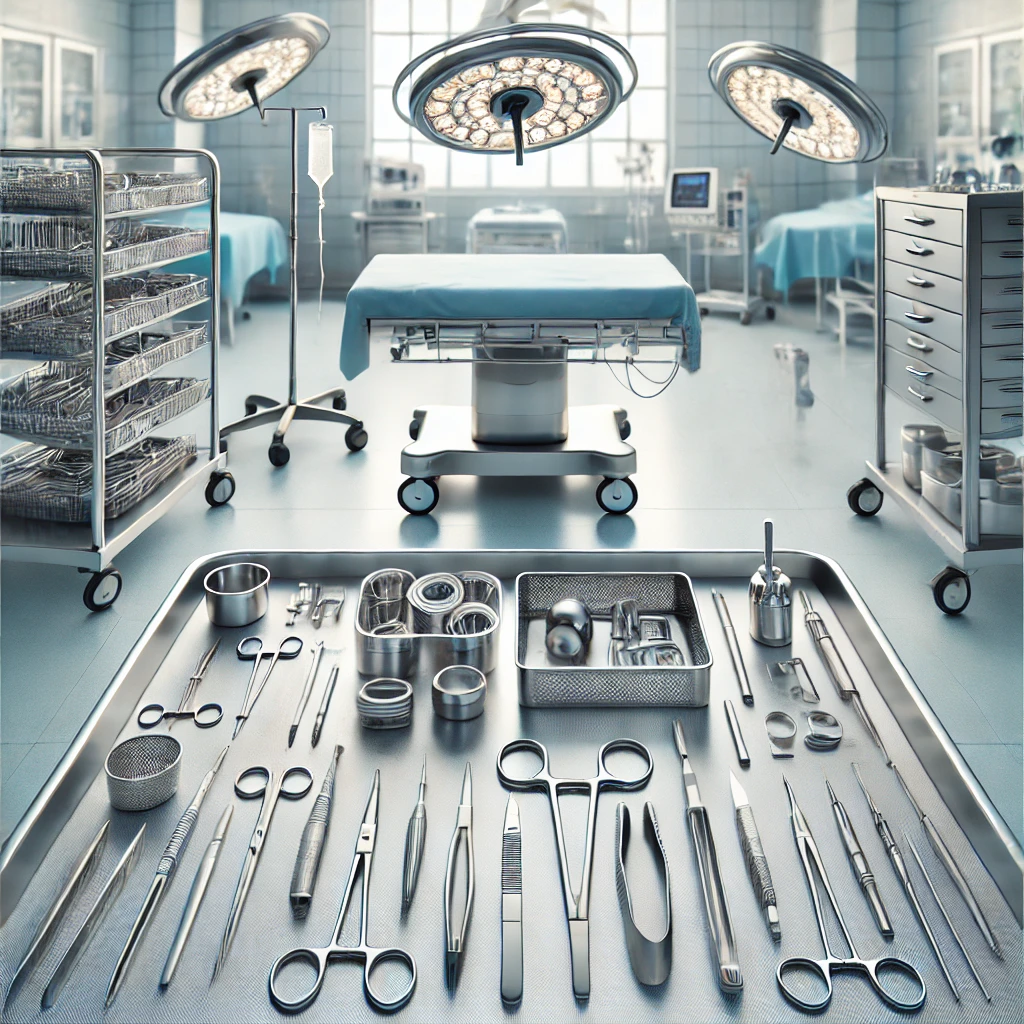
Medical instruments are commonly made from stainless steel 304 because it is safe and hygienic.
3.3. In the Manufacturing Industry
In industrial applications, where are stainless steel 304 pipes used? The answer is in many critical systems such as:
- Water, gas, and liquid transfer systems.
- Machinery structures and equipment support frames.
- Factories and industrial zones
Thanks to their high stability, good load-bearing capacity, and resistance to corrosion, stainless steel 304 helps systems operate reliably, minimizes breakdowns, and reduces maintenance costs during operation.
3.4. In the Medical & Pharmaceutical Industries
The medical and pharmaceutical sectors require materials with high cleanliness, corrosion resistance, and ease of sanitation. Therefore, stainless steel 304 pipes are commonly used for:
- Piping systems in cleanrooms.
- Medical equipment, frames, and accessories.
- Pharmaceutical production lines
Medical instruments are commonly made from stainless steel 304 because it is safe and hygienic.
3.5. In Daily Residential Use
In everyday life, stainless steel 304 pipes are also commonly found in domestic water supply systems, stainless steel household items, and small-scale residential constructions. With advantages such as durability, low maintenance requirements, and safety for human health, stainless steel 304 provides long-term value and effectively meets consumer needs.
4. Frequently Asked Questions About Stainless Steel 304 Pipes
4.1. Can Stainless Steel 304 Pipes Be Used Outdoors?
Yes. Stainless steel 304 pipes can be used outdoors under normal environmental conditions such as air exposure, rain, high humidity, or urban environments. Thanks to their high chromium content, stainless steel 304 forms a protective oxide layer that helps limit oxidation and rust.
However, in more specific and harsh environments—such as coastal areas with high salt content, environments containing strong chemicals, or locations with frequent exposure to saltwater—stainless steel 304 may experience corrosion over time. In such cases, stainless steel 316, with added molybdenum, is a more suitable choice due to its enhanced corrosion resistance.
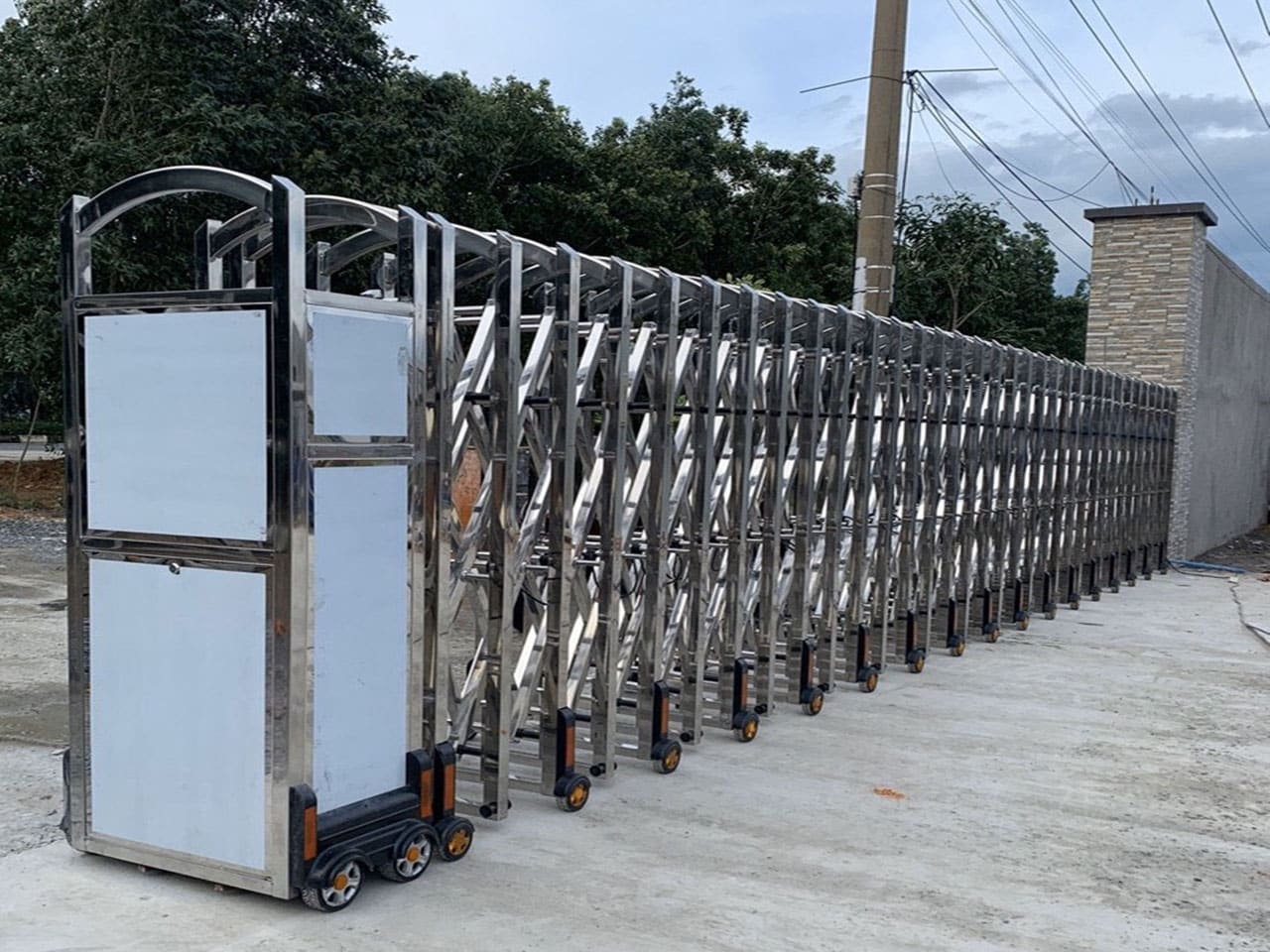
Outdoor stainless steel folding gates remain shiny and durable over time.
4.2. Is Stainless Steel 304 Pipe Safe for Food?
Yes. Stainless steel 304 pipes are considered food-safe and are widely used in the food and beverage processing industry. This material does not react with food, does not release harmful substances, and does not alter the taste or quality of products during use.
In addition, stainless steel 304 has a smooth surface that resists residue buildup and is easy to clean, helping to limit bacterial growth and meet strict food safety and hygiene requirements. For these reasons, stainless steel 304 is commonly used for pipelines carrying water, milk, beer, wine, and in food production lines.
4.3. How Is Stainless Steel 304 Different from Stainless Steel 201?
The main differences between stainless steel 304 pipes and stainless steel 201 lie in alloy composition and corrosion resistance:
Corrosion resistance: Stainless steel 304 contains a higher nickel content than stainless steel 201, providing better resistance to corrosion and oxidation—especially in humid environments or when exposed to water.
Durability and service life: Stainless steel 304 is more stable over long-term use and less prone to degradation or rusting, whereas stainless steel 201 is more susceptible in harsher environments.
Cost: Stainless steel 201 is less expensive due to its lower nickel content and is suitable for indoor applications or uses with modest technical requirements. In contrast, stainless steel 304 has a higher upfront cost but offers superior performance and longevity, optimizing costs over the long term.
We hope this article has clearly and comprehensively answered the question, “Where are stainless steel 304 pipes used?” With high durability, excellent corrosion resistance, and versatile applications, stainless steel 304 pipes are a suitable choice for many fields—from industrial uses to everyday life. Stay tuned to sonhassp.com for more useful information about stainless steel.
> RELATED ARTICLES:
A Detailed Overview of the Characteristics and Applications of Welded Stainless Steel Pipes
Next latest post
What Is a Hot Rolled Coil? Characteristics, Applications, and Classification
What Is a Steel Grade? Current Steel Grade Standards
[Q&A] What Is Stainless Steel? Why Is It Called Stainless Steel?