

Safe Stainless Steel Pipe Transportation Process and Important Considerations
In the stainless steel manufacturing and trading industry, the transportation process of stainless steel pipes plays a crucial role, directly affecting product quality. Stainless steel pipes are high-value products with diverse sizes and strict technical requirements during transportation. Therefore, establishing and strictly complying with a safe, standardized stainless steel pipe transportation process not only helps minimize the risk of damage but also ensures compliance with relevant legal regulations.
1. Potential risks of improper stainless steel pipe transportation
Transporting stainless steel pipes without following proper procedures can lead to serious risks, both economically and legally. Common risks include:
- First, surface scratches and damage
Stainless steel pipes, especially decorative stainless steel (such as 201, polished 304, hairline, and mirror finishes), are highly susceptible to scratches if they are not properly wrapped or stacked correctly. Damaged surfaces reduce commercial value and may even fail to meet delivery standards for customers. - Second, dents and deformation of pipes
Stainless steel pipes are often long in length. If they are not securely fixed during transportation, they can easily bend or become dented due to impacts or vibrations while the vehicle is moving—particularly on long routes or rough roads. - Third, occupational safety risks
Improper handling and loading of stainless steel pipes, or failure to use appropriate lifting equipment, can cause serious workplace accidents, leading to production disruptions and additional compensation costs. - Fourth, violations of transportation regulations
Overloading, stacking goods beyond permitted dimensions, or failing to properly cover and secure cargo may result in administrative penalties, vehicle detention, or mandatory compensation for damages.
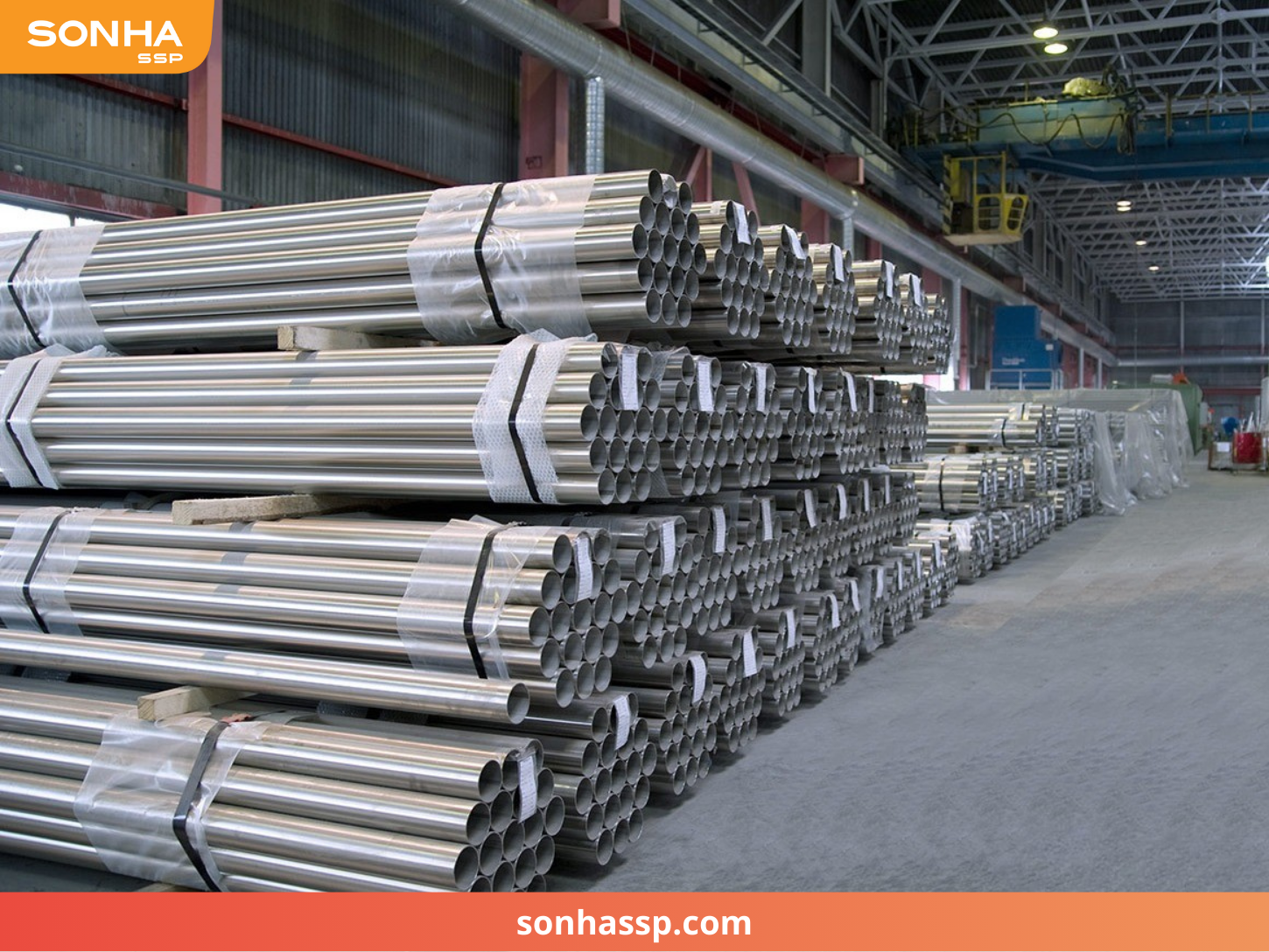
Stainless-Steel-Pipe-Transportation-Process
2. Legal regulations related to the transportation of stainless steel pipes
2.1. Railway Law 2017
The Railway Law of 2017 (effective from July 1, 2018) serves as the legal basis governing freight transportation by rail, including stainless steel and steel products. According to the law:
- Stainless steel and steel goods are not permitted to be transported together with dangerous goods such as flammable substances, explosives, or radioactive materials. In cases where stainless steel or steel is coated or treated with special chemicals, separate regulations applicable to dangerous goods must be followed.
- Transportation vehicles must fully meet technical requirements. Railcars used to carry stainless steel and steel must be in safe condition, free from damage, and eligible for operation.
- Warehouses and storage yards for stainless steel and steel located near railway lines must maintain the minimum safety distance as stipulated, in order to minimize risks to railway infrastructure.
2.2. Circular No. 22/2018/TT-BGTVT
Circular 22/2018/TT-BGTVT provides detailed regulations on freight transportation on the national railway system and dedicated railways. For stainless steel and steel products, key points include:
- Goods must be properly packaged, cushioned, and securely fastened during loading, unloading, and transportation. Common cushioning materials include wood or rubber to minimize scratches and impacts.
- The contracting party is responsible for providing complete and accurate information regarding the type of stainless steel, as well as the weight and dimensions of the goods. Incorrect declarations may result in liability for compensation in the event of incidents.
- Railway transport enterprises must conduct monitoring, supervision, and periodic reporting on transportation activities and any incidents related to cargo safety.
2.3. Decree No. 34/2024/NĐ-CP
Decree 34/2024/NĐ-CP, issued on March 31, 2024, regulates the transportation of dangerous goods by road and inland waterways. In certain cases, stainless steel or steel that has been processed or coated with specific chemicals may be classified as dangerous goods and must comply with the following requirements:
- Personnel involved in transportation, including drivers, escorts, and workers directly handling loading and unloading, must receive safety training and obtain the required certificates.
- Transportation vehicles such as trucks, containers, or waterway vessels must meet technical standards, be properly licensed, and be authorized to carry dangerous goods.
2.4. National Technical Regulation QCVN 08:2018/BGTVT
This regulation governs railway operations, including technical requirements for infrastructure, equipment, and vehicles:
- Vehicle inspection: Locomotives and railcars must undergo periodic inspections; steel components must be coated with anti-corrosion paint and properly maintained.
- Safety tracks: Areas where railways intersect with roadways must be equipped with derailment devices or safety tracks.
2.5. Road Traffic Law 2008
This law clearly stipulates vehicle load limits and dimensional restrictions for vehicles and cargo participating in road traffic. Accordingly, transported goods must be neatly arranged, must not exceed the permitted dimensions of the vehicle, must not obstruct visibility, and must be securely fastened.
3. Safe stainless steel pipe transportation process
A safe stainless steel pipe transportation process should be systematically developed and consistently implemented from preparation to delivery, including the following steps:
Step 1: Classification and inspection of stainless steel pipes before transportation
Stainless steel pipes should be classified by grade, diameter, length, thickness, and surface finish. Inspecting the condition of the pipes prior to dispatch helps enterprises control quality and provides a basis for verification during delivery and acceptance.
Step 2: Packaging and surface protection
Depending on the type of stainless steel pipe, protective materials such as PE film, oil paper, carton, or wooden frames may be used to protect the surface. For decorative stainless steel pipes, special attention must be paid to scratch prevention and moisture protection.
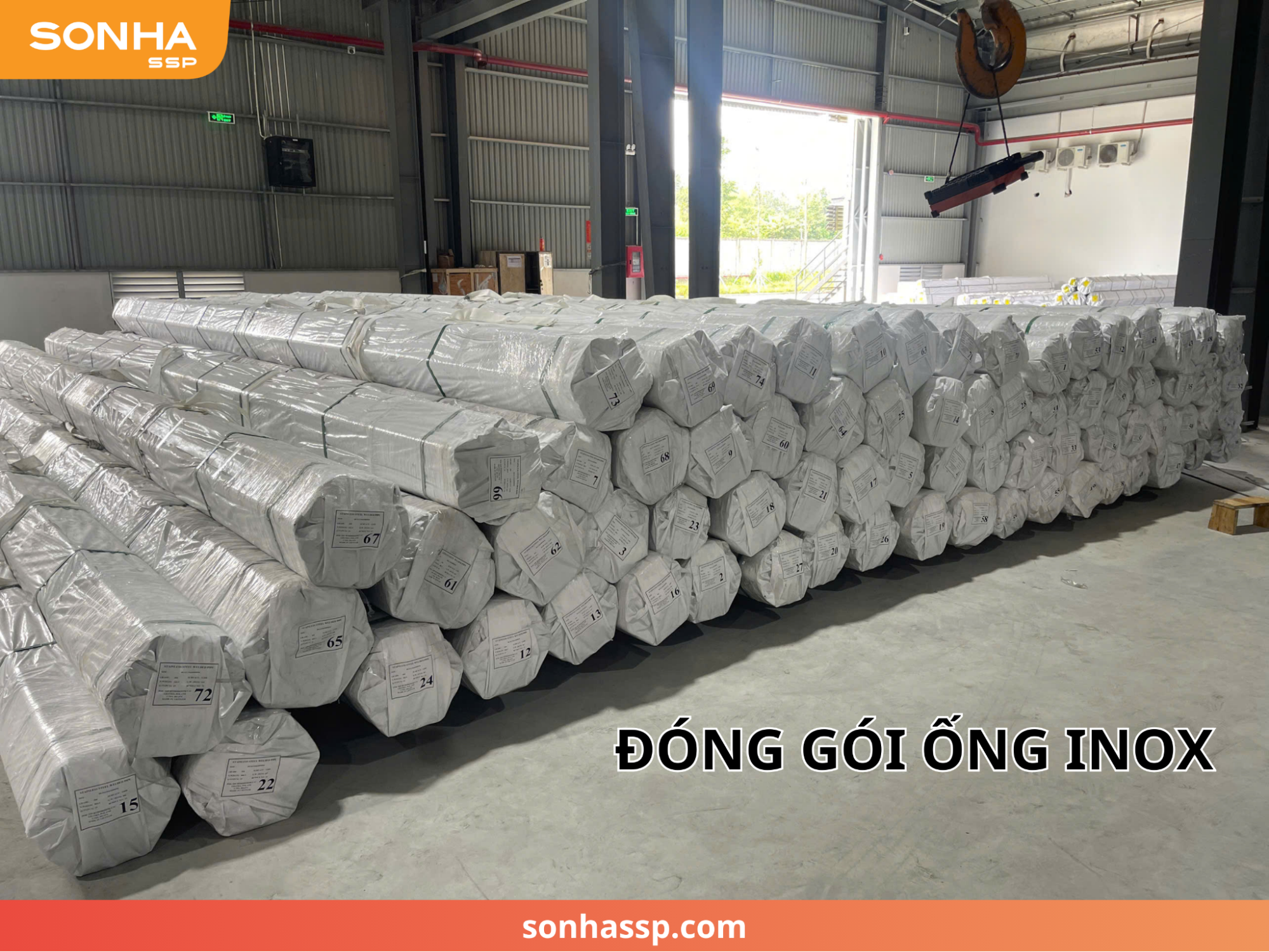
Stainless-steel-pipes-are-carefully-and-securely-packaged
Step 3: Selecting suitable transportation vehicles
Box trucks, container trucks, or trailers must meet the length and load requirements of the stainless steel pipes. Vehicles should have a flat, even floor to ensure stable and secure cargo fixation.
Step 4: Loading and cargo arrangement
Use forklifts, cranes, or specialized handling equipment. Stainless steel pipes must be placed on wooden supports, arranged in parallel, and not stacked in a way that causes localized pressure.
Step 5: Securing and fastening
Use straps, chains, or turnbuckles to firmly secure the stainless steel pipes to the vehicle floor. Fastening must ensure that the pipes do not shift throughout the transportation process.
Step 6: Transportation and monitoring
Drivers must comply with speed limits and avoid sudden braking or sharp steering. For large shipments, companies should implement route monitoring measures.
Step 7: Delivery and inspection
Inspect the condition of the stainless steel pipes at the delivery point and prepare a clear delivery and acceptance record to minimize potential disputes.
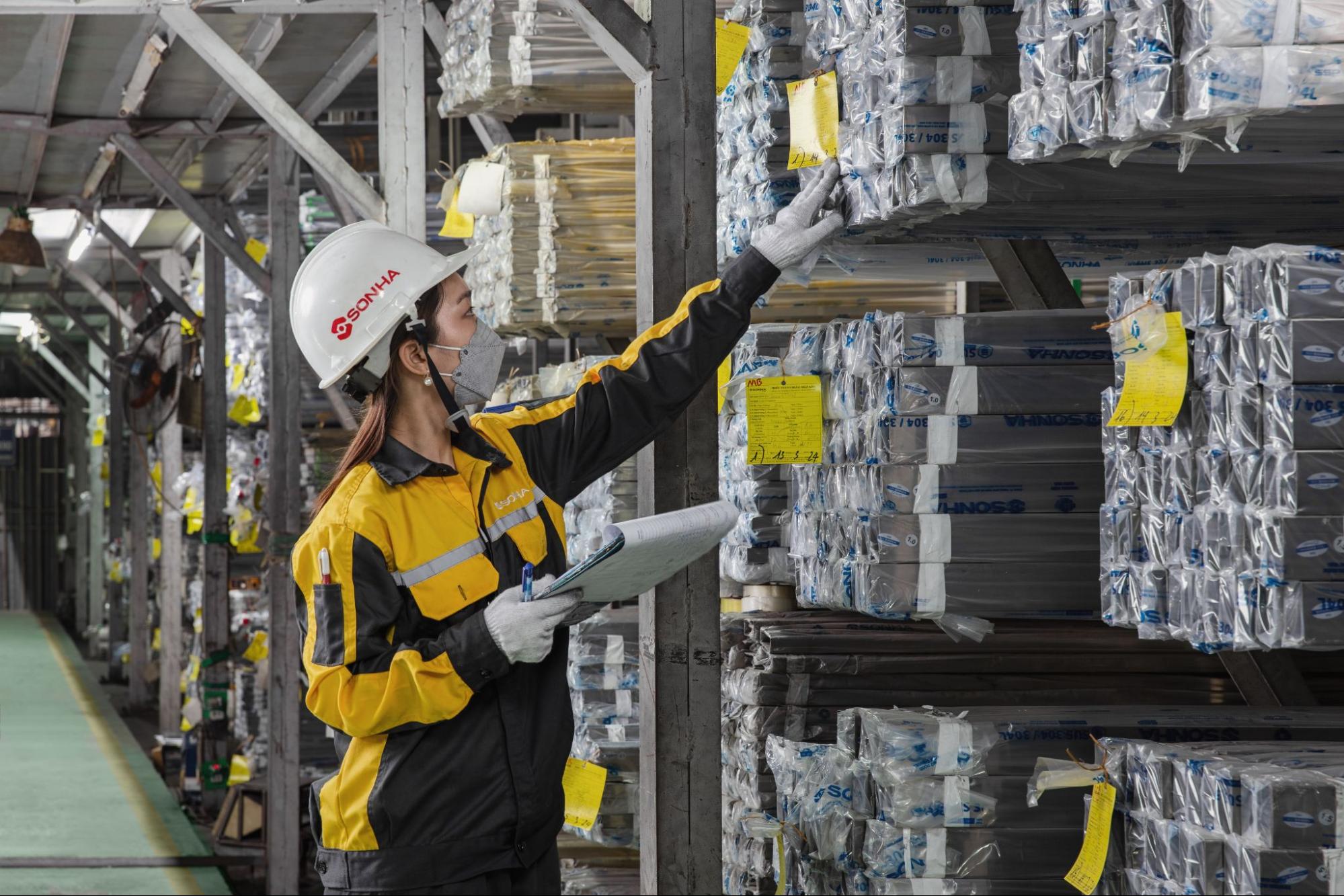
Stainless Steel Pipe Transportation Process
4. Important notes when transporting different types of stainless steel pipes
Each type of stainless steel pipe and stainless steel product has different mechanical properties, dimensions, and shapes; therefore, each requires specific transportation and securing methods. Understanding the characteristics of each product type is an essential basis for developing a safe, scientific, and practical stainless steel pipe transportation process, while minimizing the risk of damage and safety hazards during transit.
4.1. Transportation of rolled coils
Rolled coils are typically formed into large coils with significant diameter and weight, and their center of gravity is unevenly distributed. During transportation, companies should pay special attention to the following:
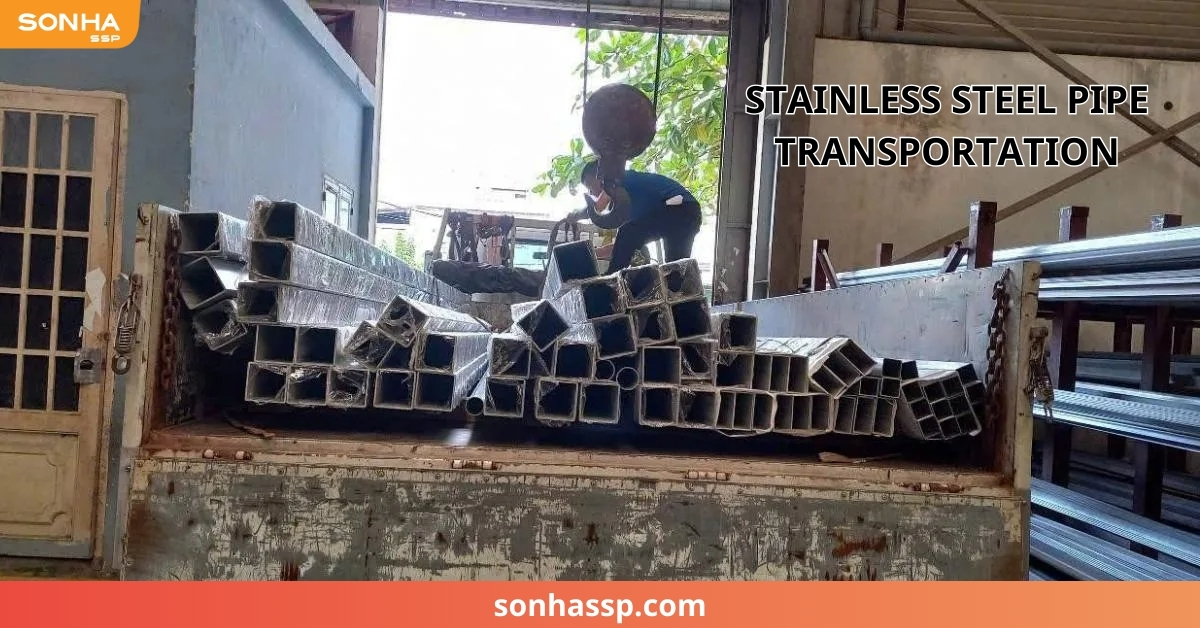
Rolled coil transportation vehicle
- Use specialized supports, saddles, or V-shaped frames to secure stainless steel coils, preventing rolling or shifting.
- Identify and control the center of gravity of the steel coil to ensure even load distribution on the vehicle floor.
- Secure firmly with steel straps or turnbuckles to minimize vibration during transportation.
- Do not stack stainless steel coils unless the vehicle and securing structure meet the required technical standards.
- Improper transportation of steel coils may cause vehicle imbalance, posing traffic accident risks and violations of transportation safety regulations.
4.2. Transportation of stainless steel plates and large-size stainless steel pipes
Stainless steel plates and certain industrial stainless steel pipes may exceed 6 meters in length, with large widths and weights of several tons. Therefore:
- Transportation vehicles must have a wide, flat floor with sufficient load capacity and no deflection.
- The vehicle floor should be lined with wooden or rubber padding to minimize surface scratches and distribute impact forces.
- For cargo exceeding vehicle dimensions, regulations on oversized loads must be followed, including the use of flags and warning lights in accordance with legal requirements.
- Loading and unloading must be carried out using cranes or specialized forklifts; dragging or direct impacts must be strictly avoided.
This product group is high in value, and improper transportation can easily result in significant losses for businesses.
4.3. Transportation of stainless steel pipes, box steel, and steel bars
Round stainless steel pipes, box steel, and stainless steel bars are commonly used in construction and industry and are often transported in large quantities. Important considerations include:
- Products may be stacked alternately to save space, but must be tightly bundled into packs using straps or steel bands.
- Use spacers and wooden wedges to prevent lateral sliding and rolling during transit.
- Do not mix stainless steel pipes of significantly different sizes and thicknesses to avoid deformation.
- For polished or decorative stainless steel pipes, individual pipes or bundles should be separately wrapped to prevent scratches.
Effective control of cargo stability and slip prevention is a key factor in the transportation of large quantities of stainless steel pipes.
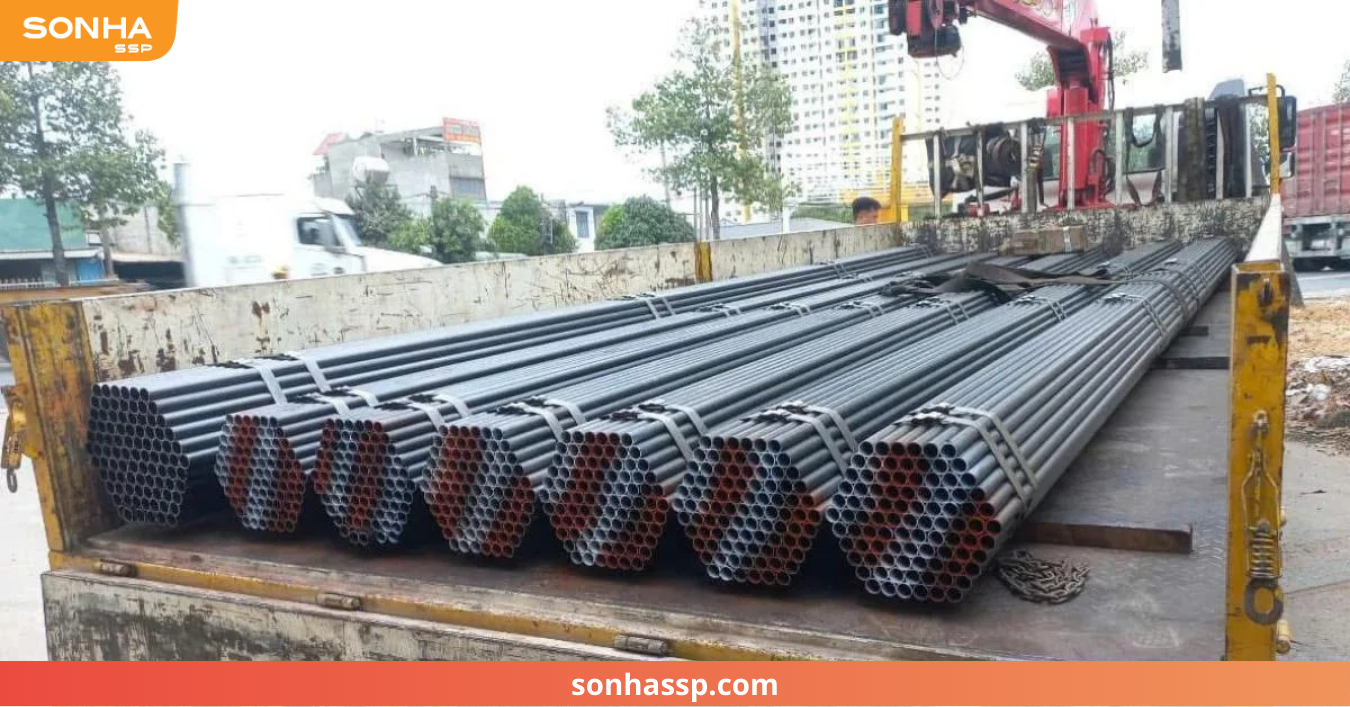
Round stainless steel pipes are arranged on the vehicle for transportation
4.4. General notes for transportation companies and stainless steel manufacturers
- Always select transportation vehicles that are suitable for each specific type of stainless steel product.
- Provide training for loading personnel and drivers on proper techniques for transporting steel and stainless steel products.
- Conduct inspection and acceptance of goods before and after transportation to minimize potential disputes.
- Fully comply with legal regulations regarding load limits, cargo dimensions, and occupational safety.
Through this article, Son Ha SSP hopes to have helped customers gain a clearer understanding of the safe stainless steel pipe transportation process as well as the relevant legal regulations during transportation. Proper implementation of these procedures not only helps reduce the risk of damage and ensure workplace safety, but also contributes to optimizing logistics costs and enhancing corporate credibility. Son Ha SSP remains committed to accompanying our partners by providing high-quality stainless steel products and solutions that fully meet technical standards and the practical operational requirements of the market.
>RELATED ARTICLES:
What Is a Ø16 Stainless Steel Pipe? Specifications, Classification, and the Latest Price List
Son Ha SSP Is Honored to Receive the BIS Certification (India)
Decorative Ø40 Stainless Steel Pipe (DN40) – Comprehensive Information from A to Z
How Rigorous is the Production Process of Son Ha SSP Stainless Steel Pipes?
Next latest post
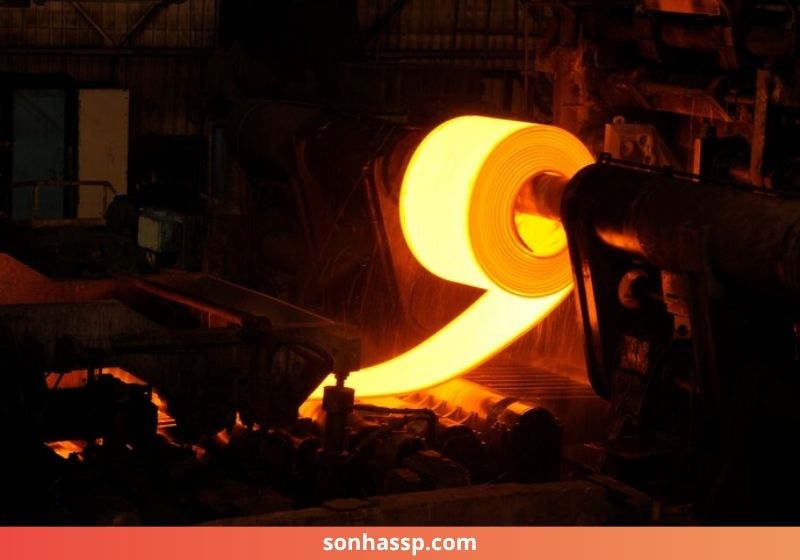
What Is a Hot Rolled Coil? Characteristics, Applications, and Classification
What Is a Steel Grade? Current Steel Grade Standards
[Q&A] What Is Stainless Steel? Why Is It Called Stainless Steel?